

Everything You Need To Know About OBD-2B Compliance


Recently, two-wheeler manufacturers have been updating their line-ups with OBD-2B compliant engines
Recently, many automotive manufacturers like Hero MotoCorp, Honda and Suzuki have been updating their two-wheelers with OBD-2B compliant engines. So, you may be wondering what OBD-2B compliance is? Let’s have an in-depth look.
What is OBD-2B compliance?
The Indian two-wheeler Industry is growing rapidly, and to ensure that it does not affect the environment, the Indian government had to impose strict emission norms for all the two-wheelers being produced to maintain a balance with the ecosystem. These restrictions are specified under the Bharat Stage 6 (BS6) phase 1 (OBD 1) emission norms which mandates that the vehicles produced after 1st of April 1, 2020 need to be fitted with an OBD. The ongoing emission norms are an updated version of BS6 norms and are categorized as BS6 phase 2 (OBD 2) that was enforced from 1st of April 1, 2023. The vehicles manufactured after that are hence called OBD-2B compliant.
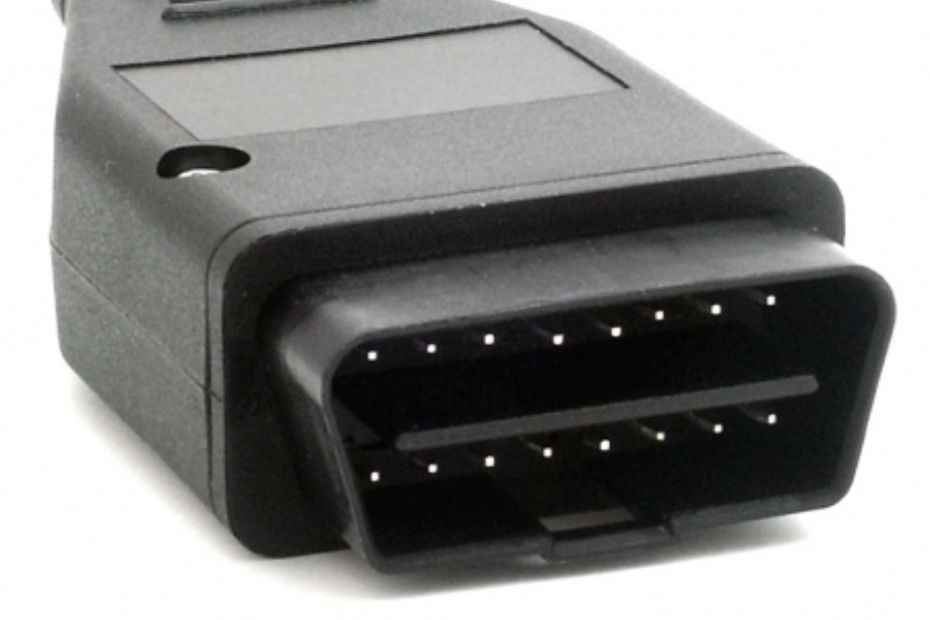
The ‘OBD’ stands for ‘On-board Diagnostics’ and ‘2B’ represents ‘Phase 2’ that came into effect from April 2023. The ‘OBD-2B’ is a system present in most modern two-wheelers and is crucial in detecting any abnormalities or malfunctions in the engine before any major issues occur. The OBD-2B technology uses a network of sensors, DTC (Diagnostic Trouble Codes), ECU (Electronic Control Unit) and a data output port with many supporting components functioning to detect potential issues, improper fueling, abnormal emissions and more possible troubles the two-wheeler can cause.
The OBD 1 compliant two-wheelers had a predefined range of emission threshold values that were referenced from testing of vehicular emission in lab conditions and only warned the rider when those limits were exceeded. Now, OBD 2 compliance has been implemented and two-wheelers can monitor the emissions in real-time and warn the rider of any potential malfunctions when the limits start to exceed in our road conditions.
Why is it important?
Two-wheelers that get OBD-2B compliant engines are generally more fuel efficient because the system helps the riders in keeping their engines well maintained. The OBD-2B compliance ensures that fueling is proper for a more optimized combustion cycle in the cylinder while lowering fuel wastage and keeping fuel costs in check. Due to this, your two-wheeler will also be more environment friendly by limiting the emissions it produces.
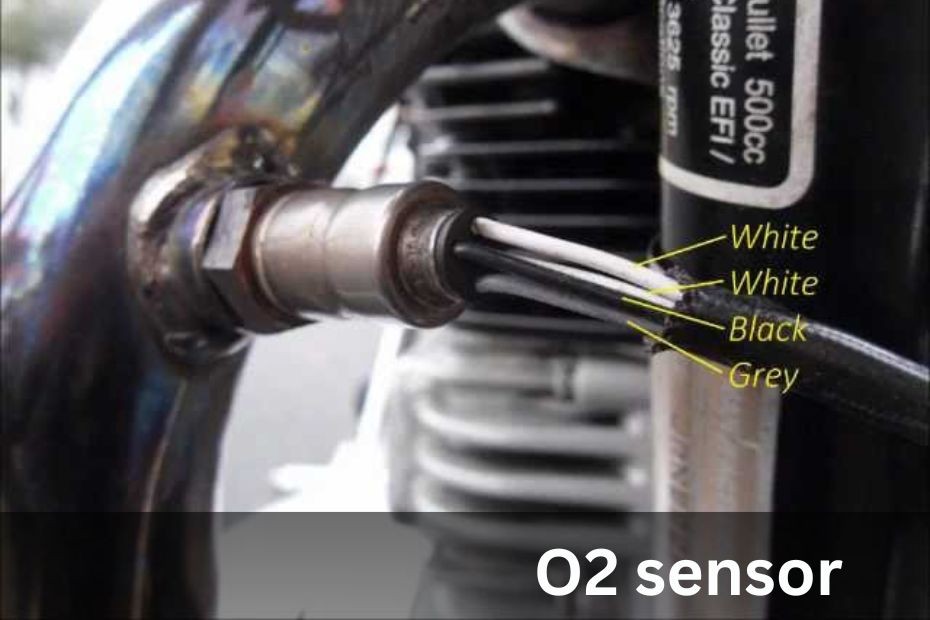
The OBD-2B system is connected to a large number of sensors to check oxygen and carbon dioxide levels, engine temperature, coolant temperature, fuel pressure, throttle position and much more. The sensors are continuously monitoring your two-wheeler for abnormalities and alert the rider before any major and expensive malfunction happens.
From the buyer’s perspective:
The OBD-2B compliant two-wheelers, due to additional sensors and technology built into it, are generally slightly more expensive than two-wheelers which are non-compliant. The maintenance of these OBD-2B two wheelers need a skilled workforce and cannot be done at common garages. Additionally, someone with less knowledge about two-wheelers may not be able to identify the troubles or warnings the OBD-2B system has detected and may misinterpret them. The downside to this is that 2-wheeler owners will have to become more reliant on showroom workshops for any work that needs to be done on their vehicle.
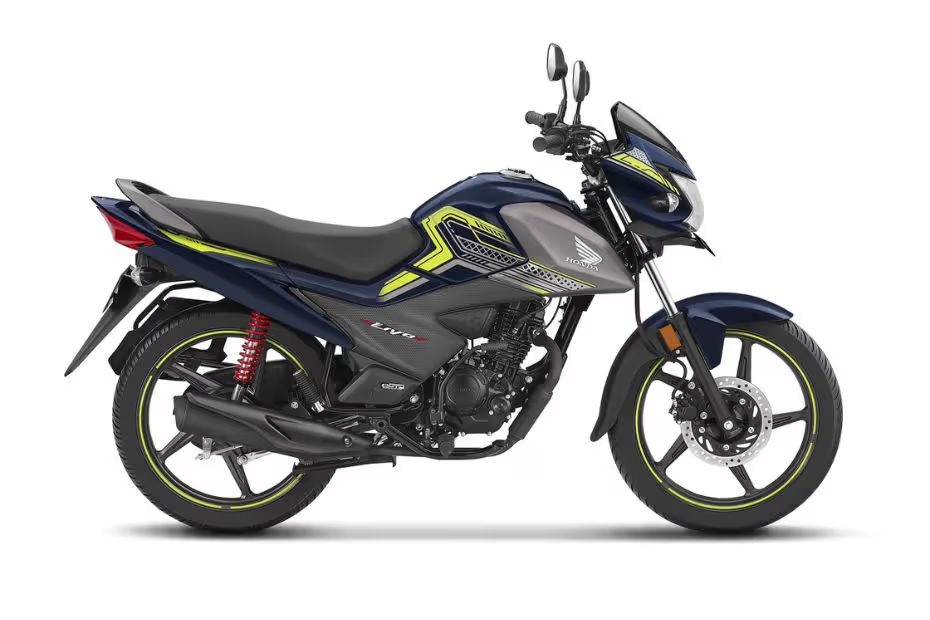
As of January 2025, several two-wheelers have been given the OBD-2B treatment. Vehicles that have recently gotten OBD-2B compliant are the 2025 Honda Activa, Honda Livo, Honda Unicorn, 2025 Access 125 and Gixxer SF 250, with many more to be updated and launched soon.
User Reviews
- vstrom=Overall packageAt the time of purchasing i was confused between nx200 and this, but after taking test drive of both, i decided to go on with vstrom. I will recommend this bike to riders who prefers reliability over tech. Vstrom will give you performance+good comfort+less maintenance+attention. Today after 5000+ kms, i'm very much satisfied for purchase. Pros- looks so good- big bike like presence, less maintenance, good suspension not the best but good suspension, less vibrations, good ground clearance. If you like tech in bikes you will miss it in this, you will get bluetooth and turn by turn navi in this one, cons- suspension is somewhat stiff as for longer travels, headlight is not so good, you will need extra lights and others still finding out.Read More
- good of livoThis bike is a commuter bike, best for office use. Mileage and performance both are good specially it's colors, specially the silver lining I liked it so much. It gives you an digital speedometer and price is good for middle class people, it's a very good bike iska engine mast hai sab bikes ka. Its a very good bikeRead More
10 out of 10 found this helpful