

Bajaj Pulsar 150 vs TVS Apache RTR 160 vs Yamaha FZ-S Fi: Specifications Comparison


Here’s how the updated Pulsar stacks up against the other original sporty 150cc bikes
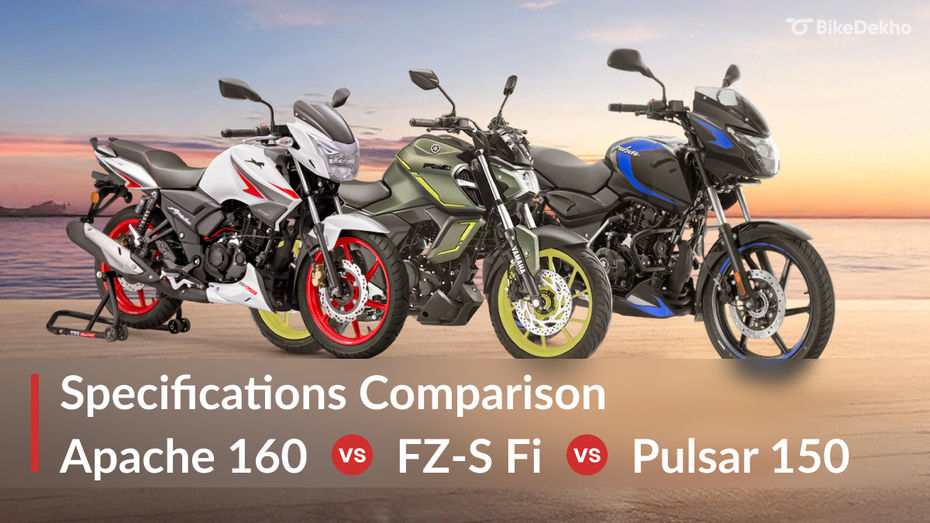
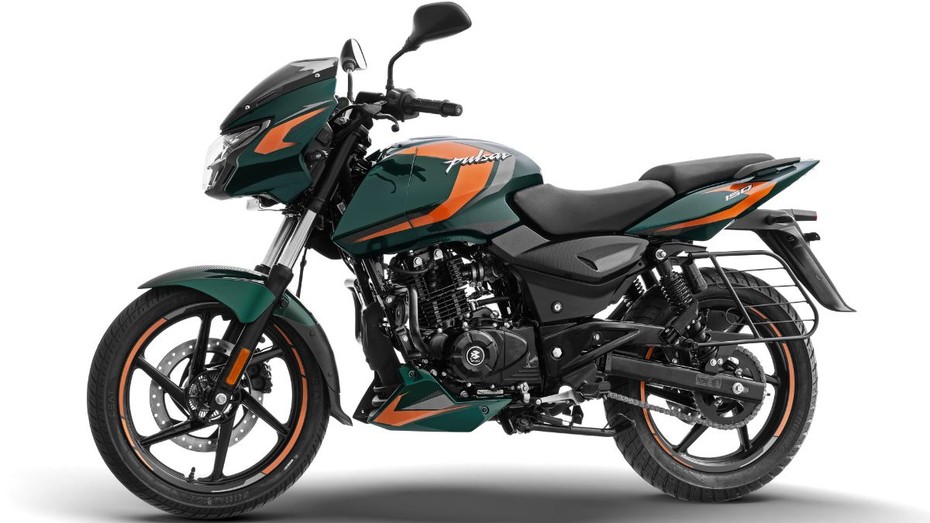
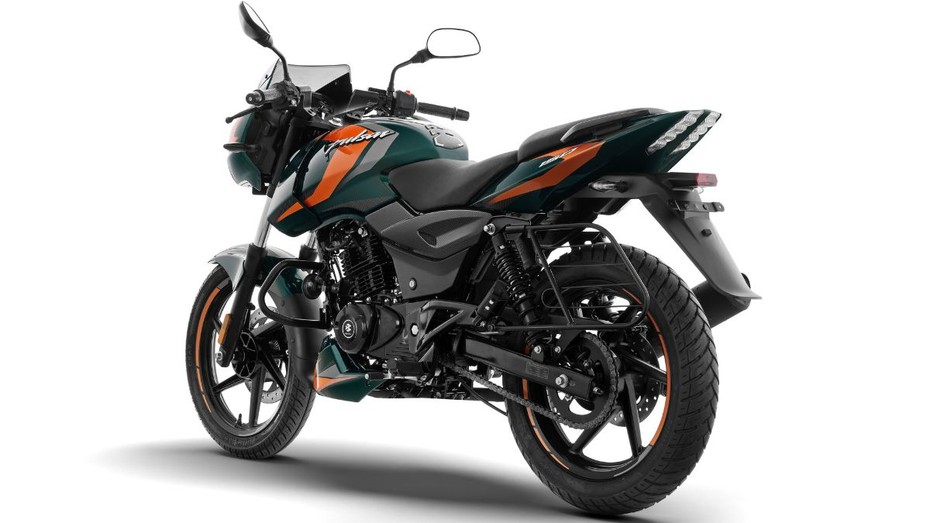
Bajaj recently refreshed the Pulsar 150 with a new face, all-LED lighting, and new colour schemes – giving the iconic nameplate a modern touch. The Bajaj Pulsar 150 continues to be one of India’s most recognisable sporty commuters. We compare the top variant against two of its closest rivals: the TVS Apache RTR 160 2V and Yamaha FZ-S Fi STD. On paper, all three target everyday riders seeking a balance of performance, practicality and style.
Engine
|
Specifications |
Bajaj Pulsar 150 |
TVS Apache RTR 160 |
Yamaha FZ-S Fi |
|
Engine |
149.5cc, single-cylinder, air-cooled, 2-valve engine |
159.7cc, single-cylinder, air-cooled, 2-valve engine |
149cc, single-cylinder, air-cooled, 2-valve engine |
|
Power |
14PS @ 8,500rpm |
16.04PS @ 8,750rpm |
12.4PS @ 7,250rpm |
|
Torque |
13.4Nm @ 6,500rpm |
13.85Nm @ 7,000rpm |
13.3Nm @ 5,500rpm |
|
Gearbox |
5-speed |
||
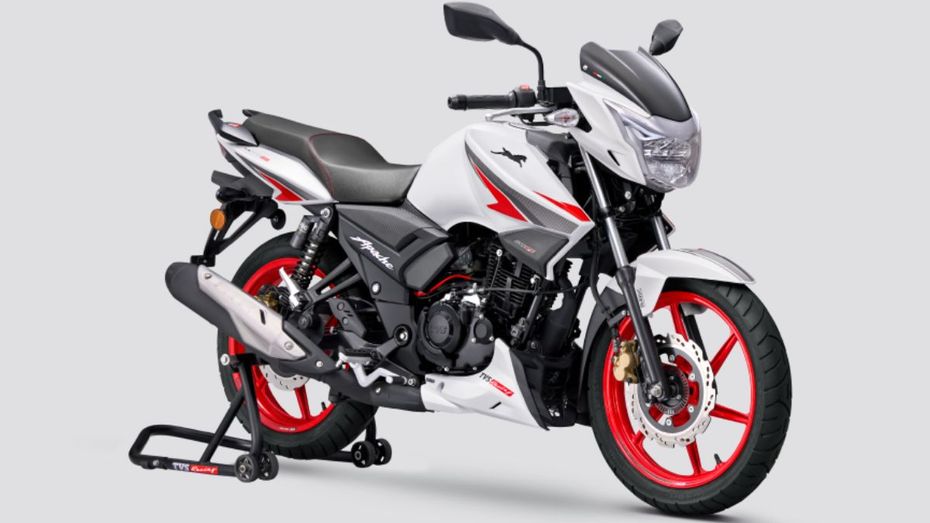
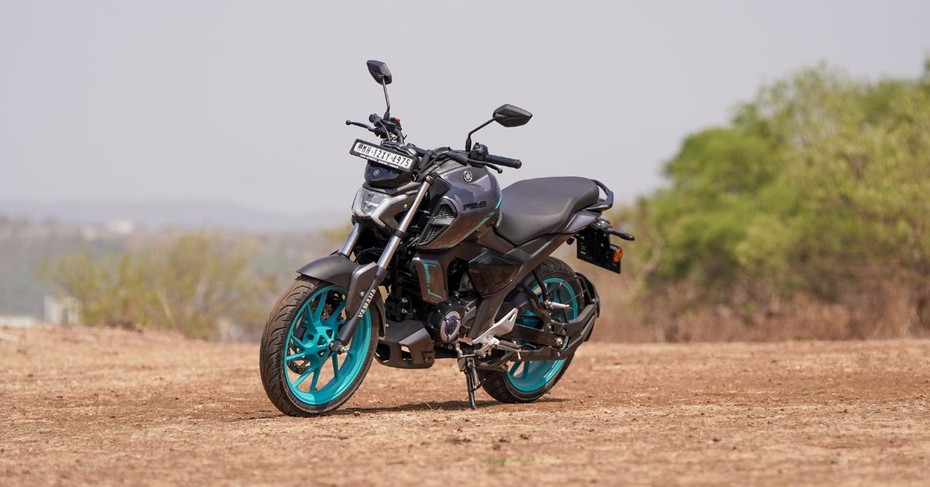
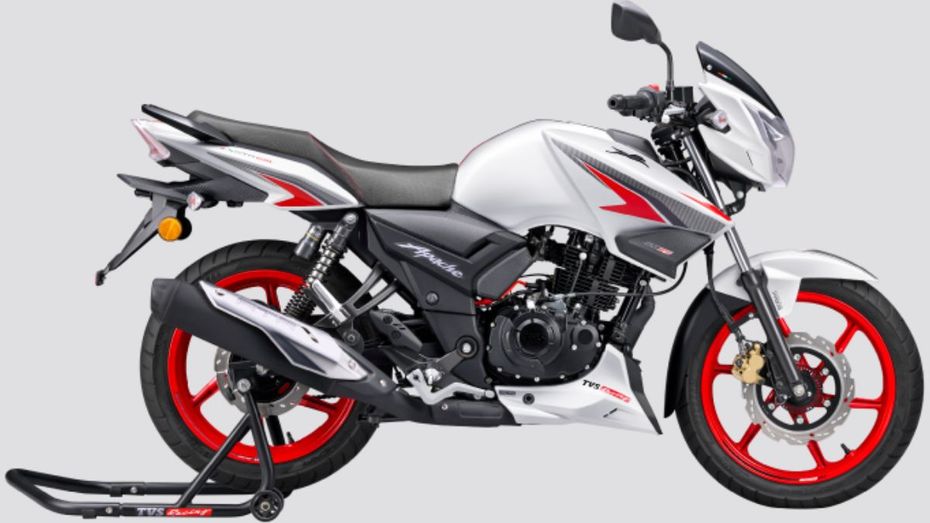
The TVS Apache RTR 160 is clearly the most powerful motorcycle here, thanks largely to its bigger displacement and performance-oriented tuning. The higher peak output suggests stronger top-end performance compared to the other two. That said, outright power isn’t the sole indicator of real-world pace. The Pulsar 150 sits comfortably in the middle, offering a balanced spread of power without chasing outright numbers. The Yamaha FZ-S Fi is the least powerful on paper, but its torque arrives earlier in the rev range, focused on easy rideability and relaxed urban use.
Underpinnings
|
Specifications |
Bajaj Pulsar 150 |
TVS Apache RTR 160 |
Yamaha FZ-S Fi |
|
Frame |
Double cradle |
||
|
Front suspension |
Telescopic fork |
||
|
Rear suspension |
Twin rear gas charged shocks |
7-step adjustable monoshock |
|
|
Front brake |
280mm disc |
270mm disc |
282mm disc |
|
Rear brake |
230mm disc |
240mm disc |
220mm |
|
Front tyre |
90-section |
100-section |
|
|
Rear tyre |
120-section |
140-section |
|
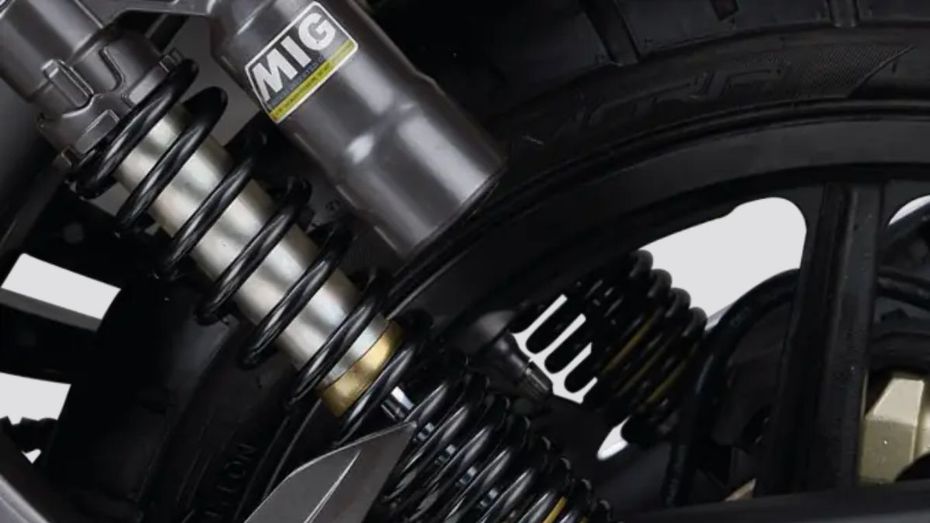
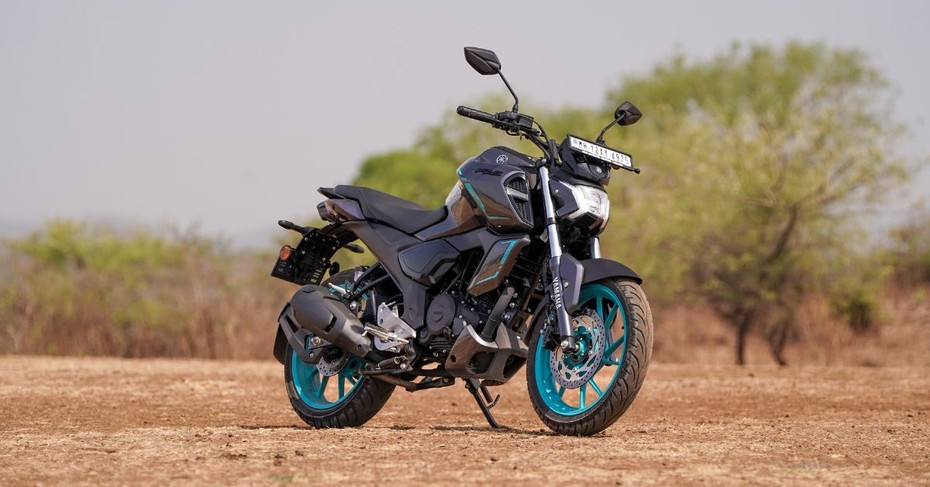
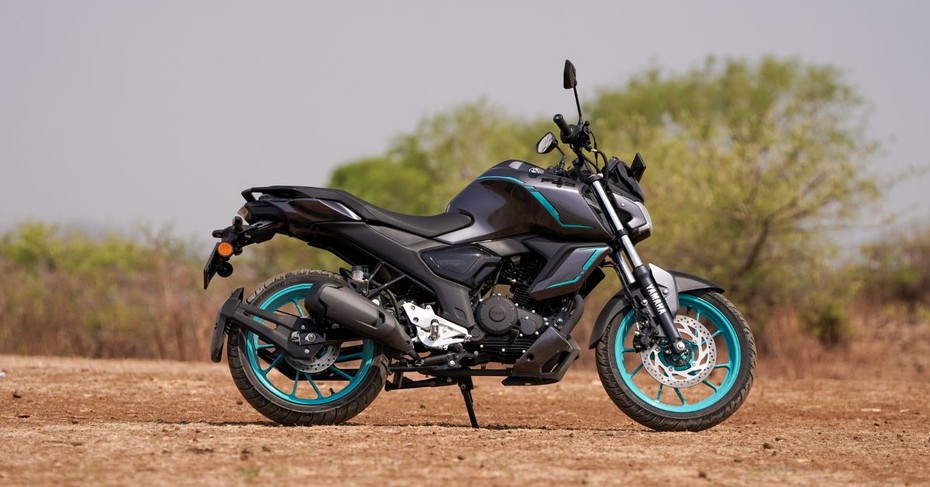
All three bikes use conventional hardware layouts, though their setups differ in intent. The FZ-S Fi stands out with its monoshock, offering more adjustability on paper compared to the other two. The Yamaha also rolls on wider tyres at both ends. While the Bajaj bike and FZ-S have larger front disc brakes, the TVS Apache bike gets dual-channel ABS – making it the safest option here.
Dimensions
|
Specifications |
Bajaj Pulsar 150 |
TVS Apache RTR 160 |
Yamaha FZ-S Fi |
|
Ground clearance |
165mm |
180mm |
165mm |
|
Fuel tank capacity |
15-litres |
12-litres |
13-litres |
|
Seat height |
785mm |
790mm |
|
|
Kerb weight |
150kg |
139kg |
137kg |
Weight plays a crucial role in daily usability and performance, and here the Yamaha FZ-S is the lightest, followed closely by the Apache 160. The Bajaj Pulsar bike is noticeably heavier, which may affect manageability for some riders. Seat heights are fairly similar across the trio, remaining approachable for most riders. The TVS bike’s higher ground clearance stands out, making it better suited to rough urban roads and speed breakers.
Features
|
Feature |
Bajaj Pulsar 150 |
TVS Apache RTR 160 |
Yamaha FZ-S Fi |
|
LCD console |
Yes |
||
|
Bluetooth connectivity |
|||
|
Turn-by-turn navigation |
No |
Yes |
No |
|
Lighting |
All-LED |
LED headlight & tail lamp, halogen indicators |
All-LED |
|
Ride Modes |
No |
3 (Rain, Urban, Sport) |
No |
|
ABS |
Single-channel |
Dual-channel |
Single-channel |
|
Traction control |
No |
Yes |
|
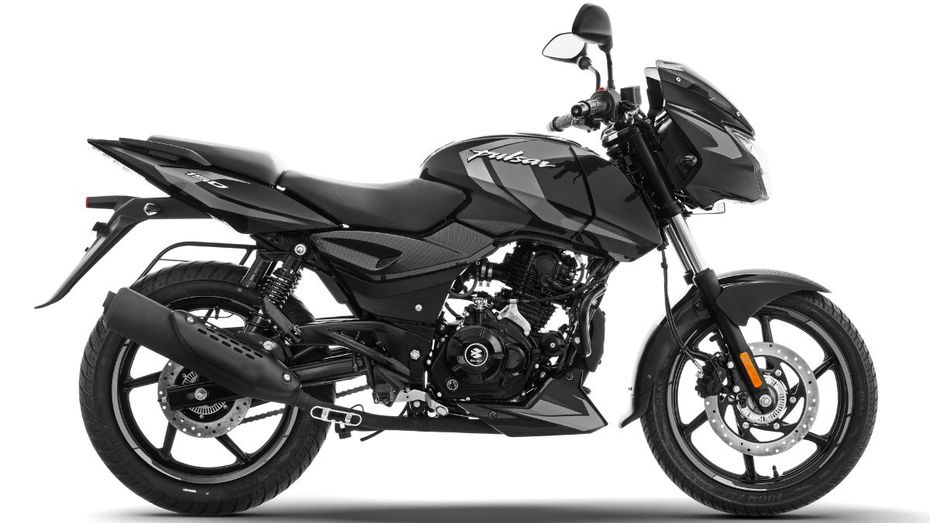
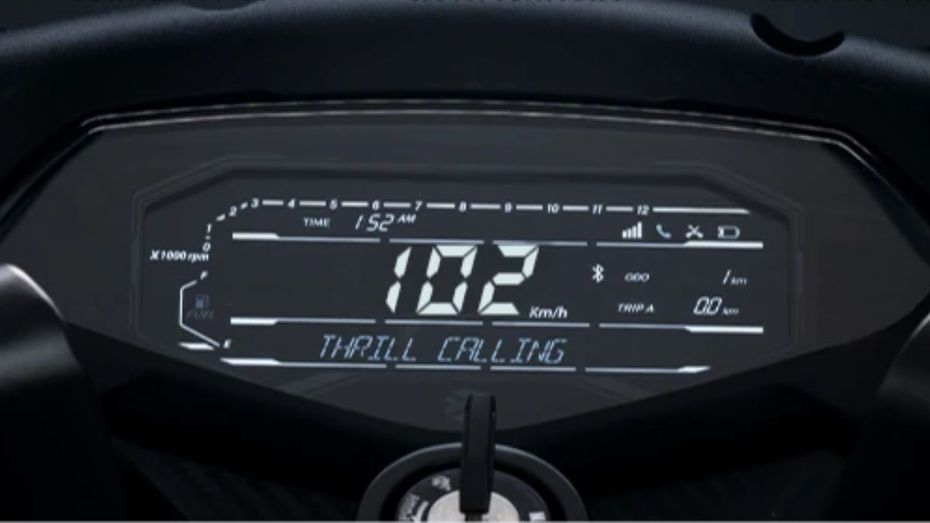
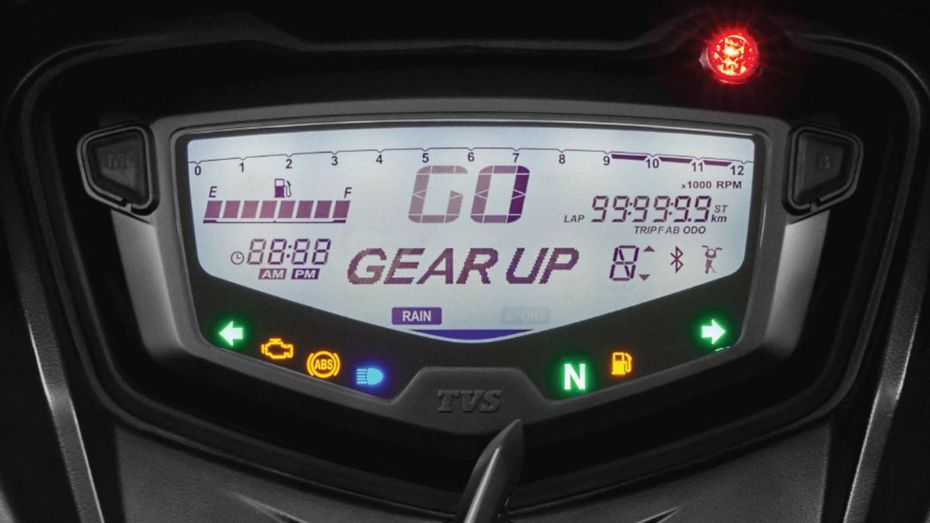
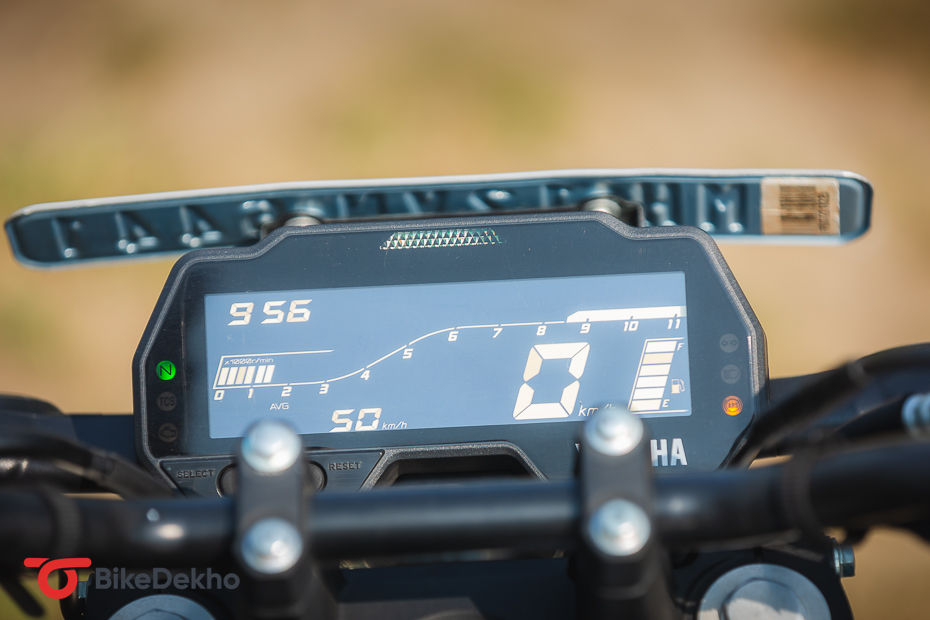
While all three bikes get LCD consoles, the TVS Apache 160 clearly leads here with turn-by-turn navigation, ride modes, dual-channel ABS, and ‘Glide Through Technology’. GTT allows you to ride the bike without any throttle input at low speeds in the first 3 gears. The updated Pulsar 150’s highlights are its new LED headlight and indicators. The Yamaha FZ bike also gets all-LED lighting, and traction control – a feature not offered by anyone else in the 150-160cc space.
Price & Verdict
|
Bajaj Pulsar 150 Twin Disc Upgraded |
TVS Apache RTR 160 Dual Channel ABS |
Yamaha FZ-S Fi STD |
|
Rs 1,15,481 |
Rs 1,23,990 |
Rs 1,23,963 |
(all prices ex-showroom)
The Pulsar 150 offers the most accessible pricing, while the Apache 160 justifies its higher price with more features and safety. The Yamaha bike commands a premium for its perceived brand value and build quality. Based purely on specifications, the Apache appears the most well-rounded, though the comparo warrants a proper road test before choosing a clear favourite – so stay tuned!
User Reviews
- Power, style & ReliabilityAbsolutely loved this bike, it has a powerful yet smooth performance, excellent road grip, sharp handling and a very confident riding feel. The engine response is refined, braking feels reliable, and the bike remains stable even during longer rides. The aggressive design gives it a premium sporty look.Read More
- High performance and good mileage and comfortThis bike has good performance, good mileage, best seat height, this bike is good for long rides and good for the family and gave you a good performance and long rides so this is totally worth bike, i would say this is the best bike. This bike is very comfortable for a Indian man, and this bike has a high performance on highways and this bike has good and comfortable seats, bike is good into the intercity. All over bike is best in this segment. This bike is best in highway, I ride this bike more than 600 kmpl on highways but bike never disappoint me, This bike also has good mileage and great power, this bike gave you a bold look, i would recommend this bike to everyone.Read More
- Great bike but poor seats.For fat tyres, good stability, economic good looking city commuter. Bought in 2020 still using it. Though modified the seat cushion as per usage. Great looking bike since launched till now. I loved the profile at first look. I have the fzs v3 version. It's good overall bike. Bulky body fat tires look great. Seating is average for both pillion and rider. I would put it as a good city commuter. But not made for long rides. If the seats were better it would have been a king. Try the seats and a long drive above 30km first to settle down with this bike. Everything except the seat cushion is great. Yes for city drives definitely recommend for performance safety & mileage. But check seats first.Read More
- Onweship Review: Yamaha FZS-FI V4 Delux(Ice Fluo )I have owned this bike since 14th July 2024 and ridden only 6200 km not because it was idle but because I maintained it with utmost care, all service records available. From beginning, I used Motul 7100 10W40 & maintained tyre pressure 29 F & 31 R. This bike deliver me impressive 67Km/L on 5000 RPM on 4th gear I switch to top gear only when need for speed of more than 58KM/H.Read More
2 out of 2 found this helpful