

Yamaha FZS-Fi V3.0 vs Honda CB Hornet 160R: Real-World Performance Comparison


Here’s how the FZS-Fi V3.0 stacks up against its Japanese rival in real-world conditions
Here’s how the FZS-Fi V3.0 stacks up against its Japanese rival in real-world conditions
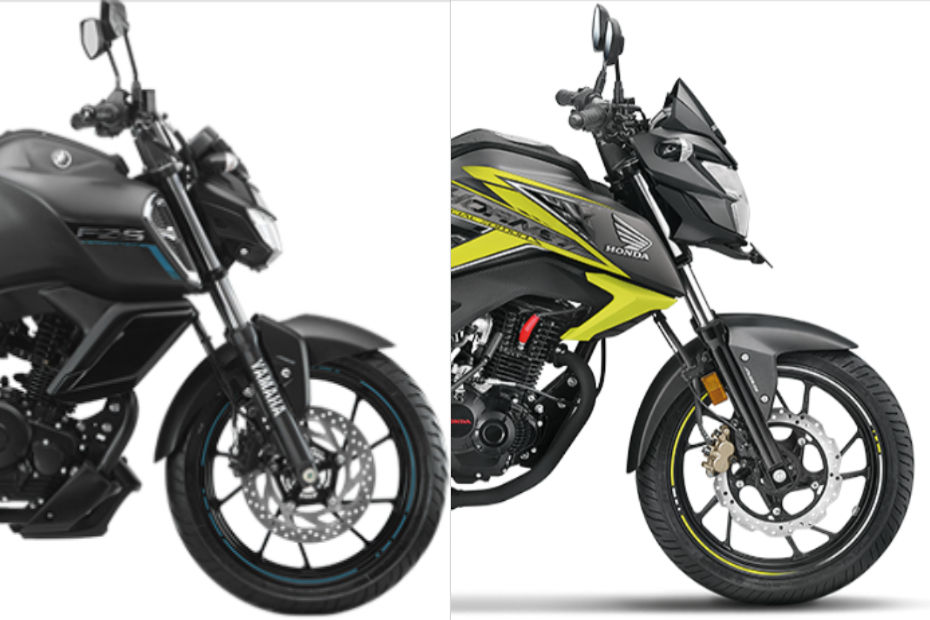
Yamaha updated the FZS-Fi a couple of months ago with a new design and a couple of extra features. That said, it retains the exact same engine as before and hence feels a bit underpowered when compared to its rivals. We already put it up against the TVS Apache RTR 160 4V in real-world conditions, and here’s how it performed. And just in case you were wondering, here’s how it stacks up against the Honda CB Hornet 160R.
Acceleration:
|
Yamaha FZS-Fi V3.0 |
Honda CB Hornet 160R |
|
|
0-60 |
5.97 seconds |
5.08 seconds |
|
0-100 |
20.10seconds |
15.99 seconds |
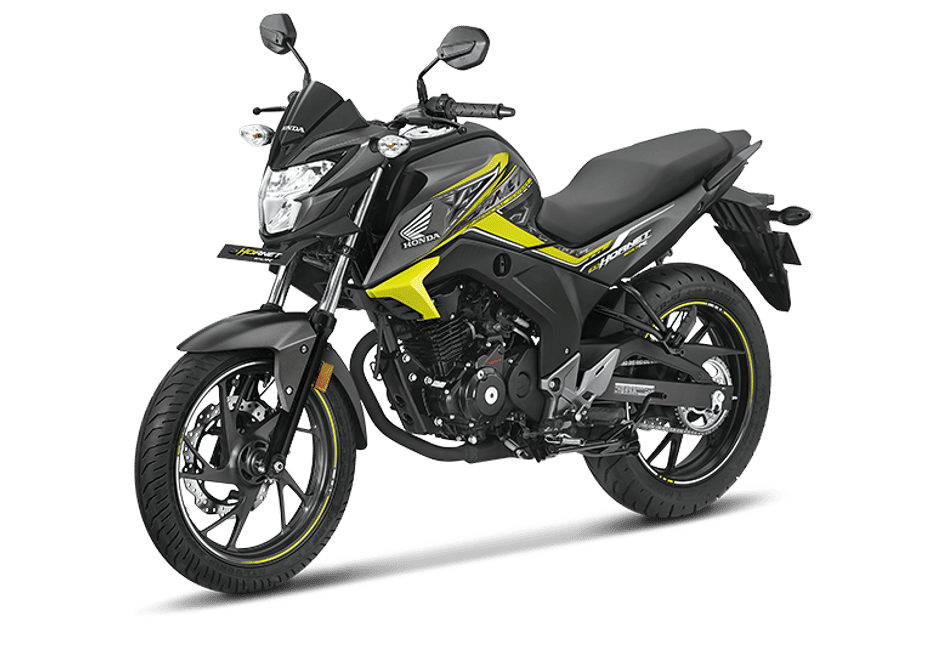
The Hornet 160R packs a bigger 162.71cc motor and produces more power and torque compared to the FZS-Fi (149cc). Thanks to this, it’s almost a second quicker off the line and trumps the FZS-Fi Version 3.0 by a massive lead of 4 seconds in the 0-100kmph run despite weighing 4kg more.
Also Read: Yamaha FZS-FI: Same Price, Other Options
Roll-Ons:
|
Yamaha FZS-Fi V3.0 |
Honda CB Hornet 160R |
|
|
30-70kmph |
6.70sec |
6.68 seconds |
|
40-80kmph |
9.38sec |
8.23 seconds |
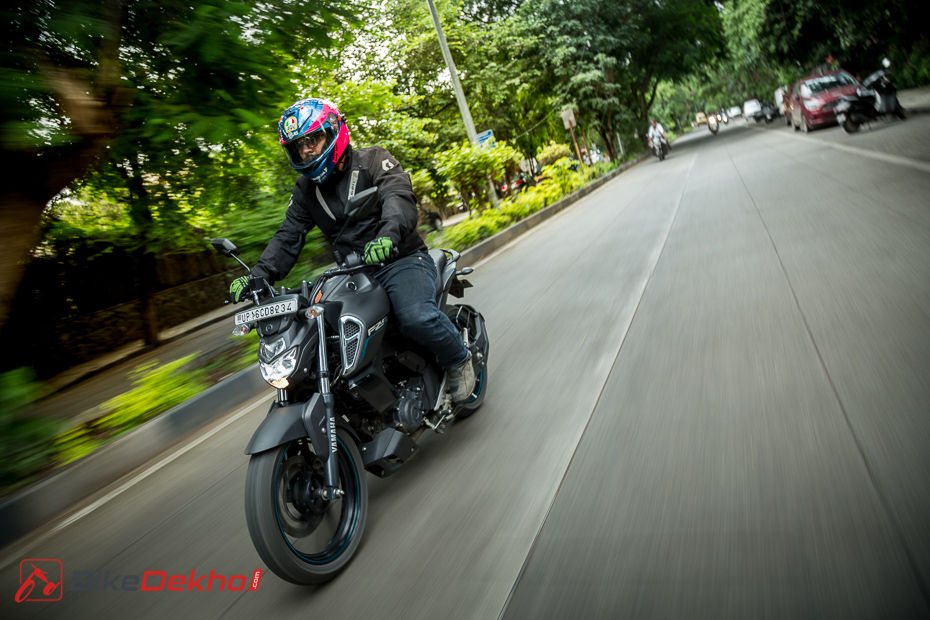
The Yamaha FZS-FI V3 has a meaty mid-range which helps it offer near-identical roll-on speeds as the Hornet, well, at least while pulling from 30-70kmph. Post this, the Yammie’s engine feels a bit strained and leaves it trailing behind the Hornet 160R while accelerating from 40-80kmph.
Braking:
|
Yamaha FZS-Fi V3.0 |
Honda CB Hornet 160R |
|
|
80-0kmph |
36.44m |
36.3m |
|
60-0kmph |
20.48m |
20.11m |
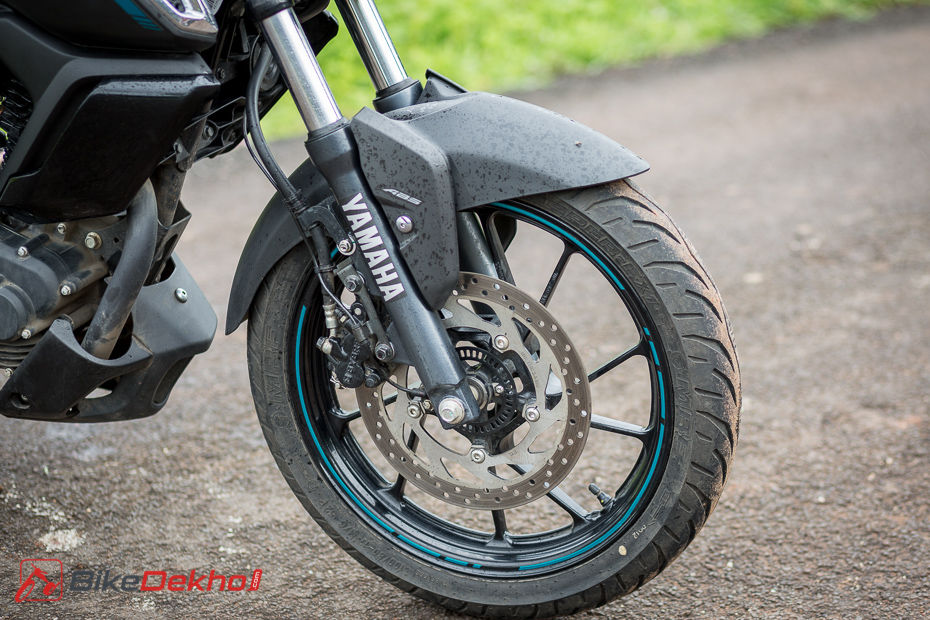
Both bikes feature a single-channel ABS setup and are evenly matched in terms of braking distances. However, it’s the FZS-Fi which offers more bite and better feedback through the leavers compared to the Hornet.
Fuel Efficiency:
|
Yamaha FZS-Fi V3.0 |
Honda CB Hornet 160R |
|
|
City |
49.31kmpl |
42.85kmpl |
|
Highway |
55.42kmpl |
52kmpl |
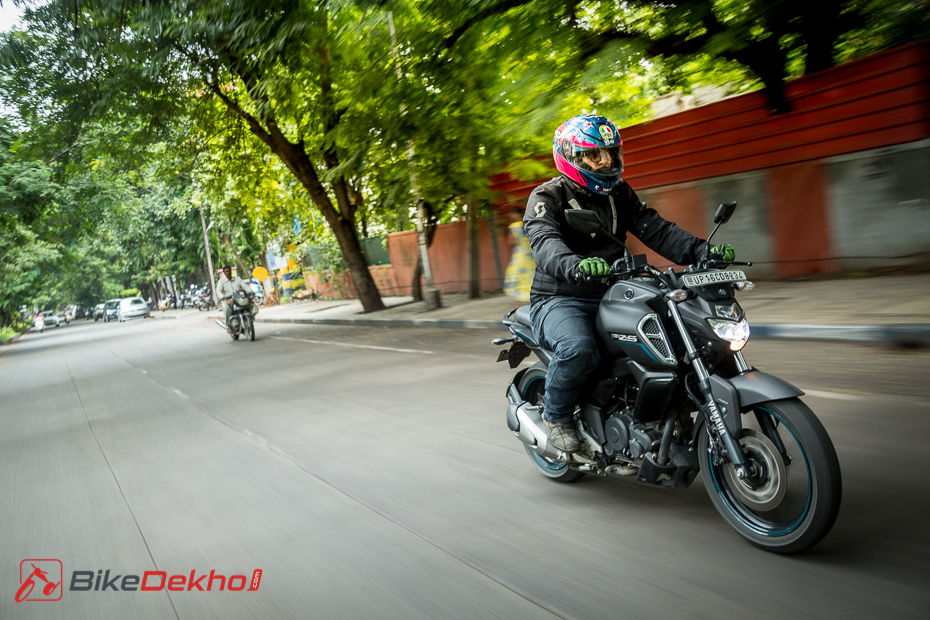
The Yamaha FZS-Fi employs a smaller 149cc, fuel-injected engine that’s been tuned to produce less power in order to extract more fuel-efficiency. The result is a relatively better highway performer and a much better city dweller. The CB Hornet 160R, on the other hand, delivers an overall fuel-efficiency of 47.42kmpl, which is pretty good for a 160cc commuter.
User Reviews
- Unmatched experience!! I loved ridingUnmatched experience, I loved riding Yamaha FZS V3 DLX edition and after riding this I got to know why people say Yamaha engines are exceptional good!! Maintenance cost also doesn't hurt your wallet. Comfort is also good for city commute and average is too good on this bike. Overall I enjoyed riding this and got to know why people say Japanese brand Yamaha is the Lord of the streets.Read More