

BMW F 450 GS vs Kawasaki Versys-X 300: Detailed Comparison


Two parallel-twin adventure bikes, but both are poles apart
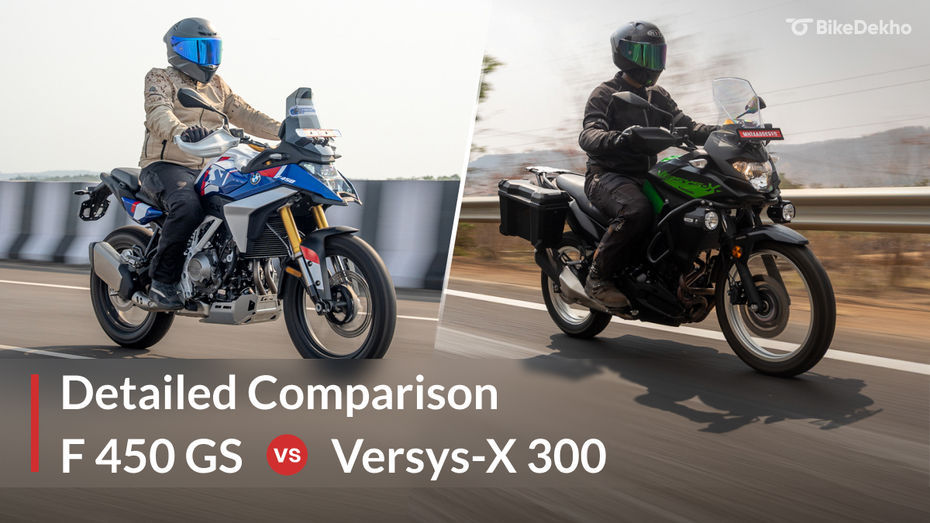
The BMW F 450 GS and Kawasaki Versys-X 300 are two premium motorcycles in the Indian motorcycle space, connected by their adventure intent but differing in their personalities. One carries the legendary GS badge and a design that connects it directly to the R 1300 GS flagship. Meanwhile, the other is a simpler, minimalistic, and more accessible entry to twin-cylinder adventure riding. Plus, there is a notable difference in their electronics suites, hardware and features the two motorcycles offer.
If you are planning to buy one of these, this detailed comparison will help you figure out which one makes more sense for you.
Price & Variants
|
BMW F 450 GS |
Price (ex-showroom, Delhi) |
Kawasaki Versys-X 300 |
Price (ex-showroom, Delhi) |
|
Base/Standard |
Rs 4.70 lakh |
Standard |
Rs 3.49 lakh |
|
Exclusive/Mid |
Rs 5.00 lakh |
||
|
GS Trophy/Top |
Rs 5.30 lakh |
||
-
The BMW F 450 GS is being offered in three trim options, each adding meaningful equipment over the previous one, while the Kawasaki Versys-X 300 comes in a single standard variant.
-
The F 450 GS is noticeably costlier with a starting price that is about Rs 1.2 lakh more expensive than the Versys-X 300, and the gap stretches to Rs 1.8 lakh for the top-spec BMW’s GS Trophy variant.
-
Both motorcycles are being assembled in India, keeping the price lucrative for what each brings to the table.
-
Deliveries of the F 450 GS will start in June 2026, while the Versys-X 300 is already available across Kawasaki dealerships in India.
Dimensions & Design
|
Specification |
BMW F 450 GS |
Kawasaki Versys-X 300 |
Difference |
|
Wheelbase |
1,465mm |
1,450mm |
+15mm |
|
Seat Height |
845 |
815mm |
+30mm |
|
Ground Clearance |
220mm |
180mm |
+40mm |
|
Kerb Weight |
178kg |
175kg |
+3kg |
|
Fuel Tank |
14 litres |
17 litres |
-3 litres |
-
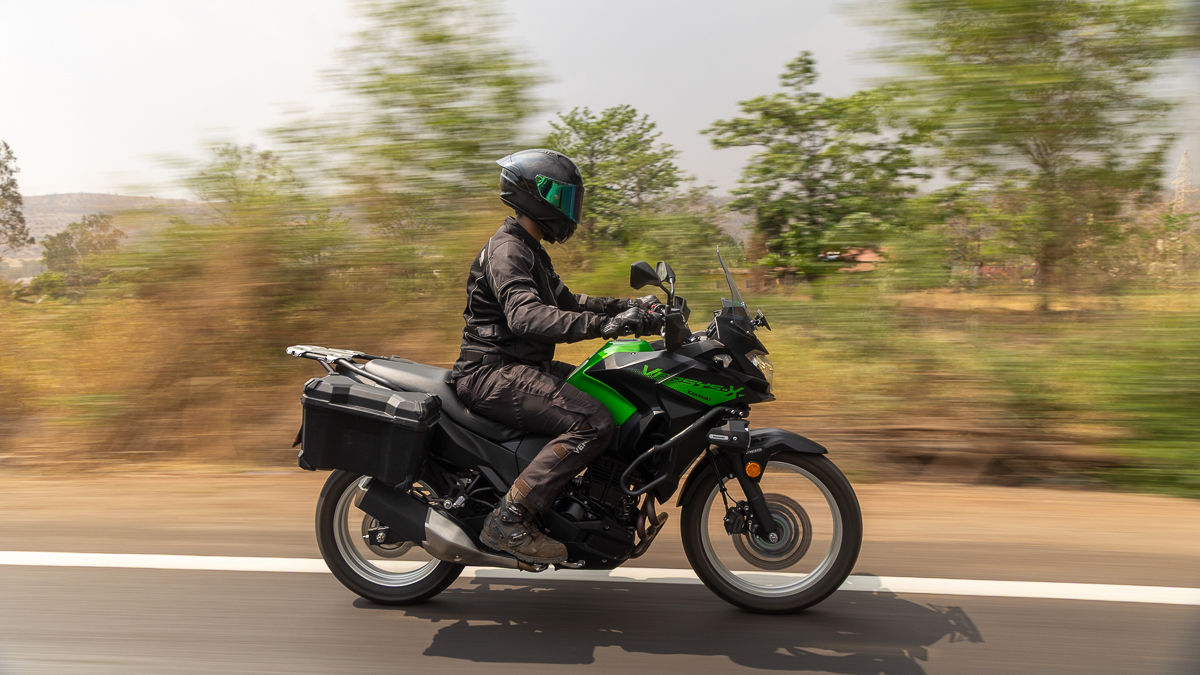
The BMW F 450 GS has a slightly longer wheelbase, which adds to its straight-line stability on the road, while the shorter wheelbase should make the Kawasaki Versys-X 300 slightly more flickable.
-
There is a 3kg weight difference between the two, the BMW being heavier. The taller seat height, however, provides the GS with a more commanding position on open roads, while the shorter seat height makes the Versys more accessible and easier to handle in traffic.
-
The F450 GS offers one huge advantage over broken patches through its generous ground clearance, which is 40mm higher than that of the Versys-X.
-
The Kawasaki's 17-litre fuel tank, combined with a higher efficiency, gives it a range advantage over the BMW's 14-litre unit.
-
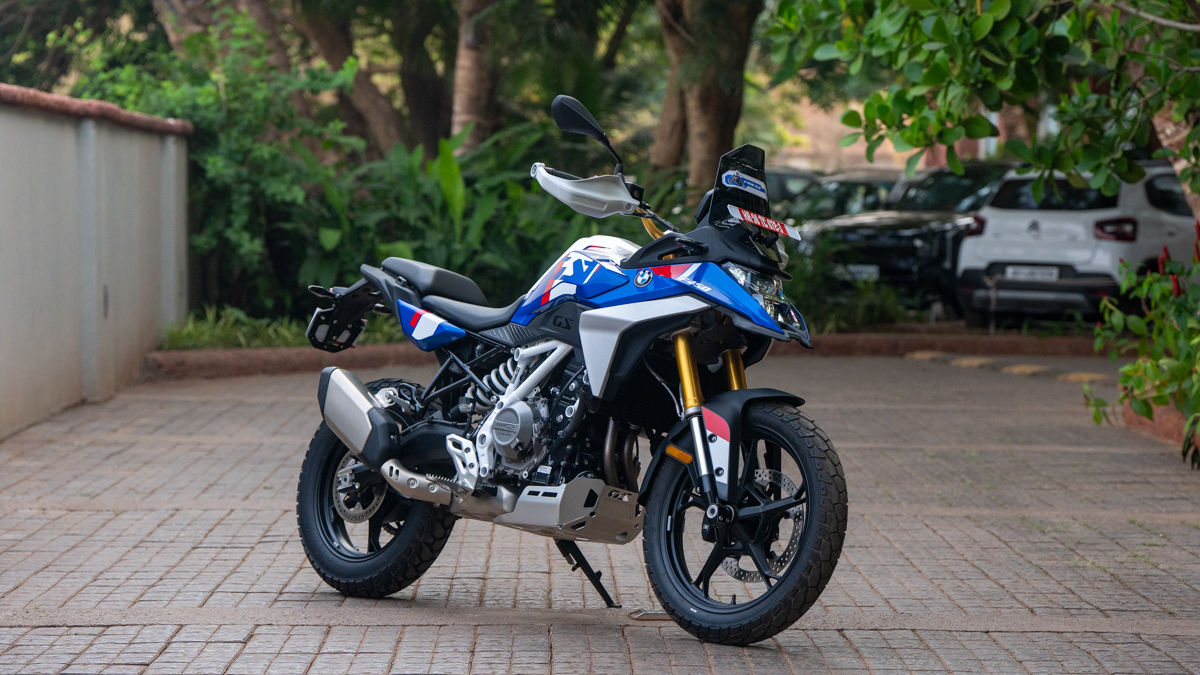
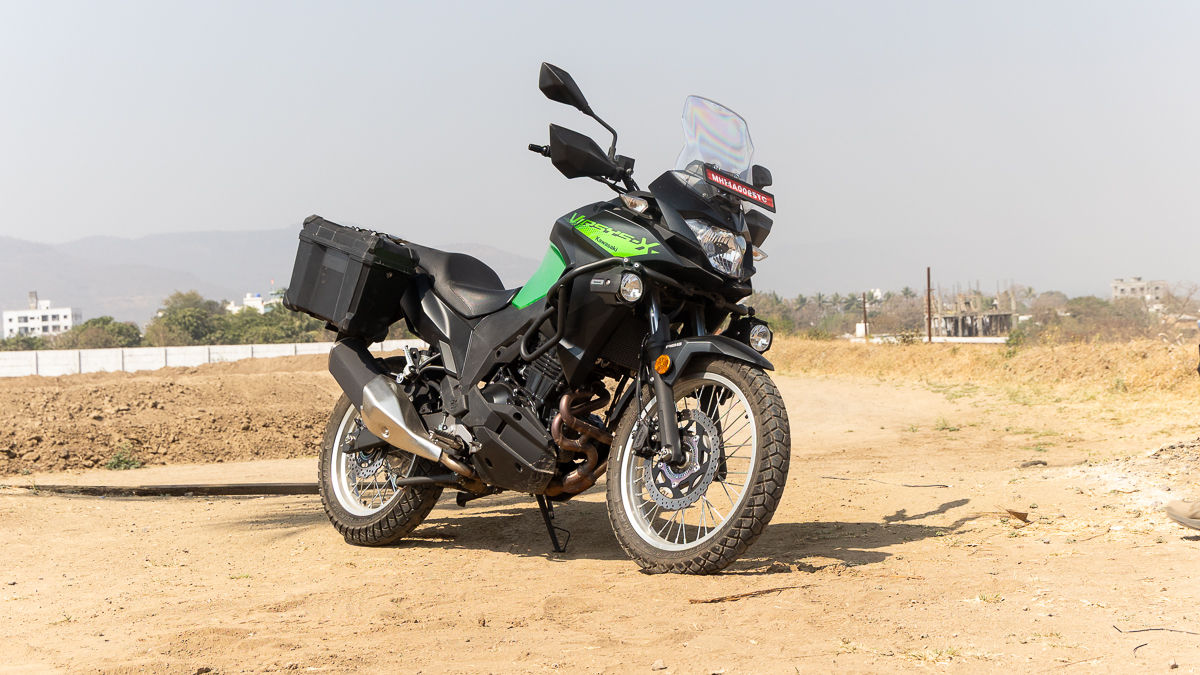
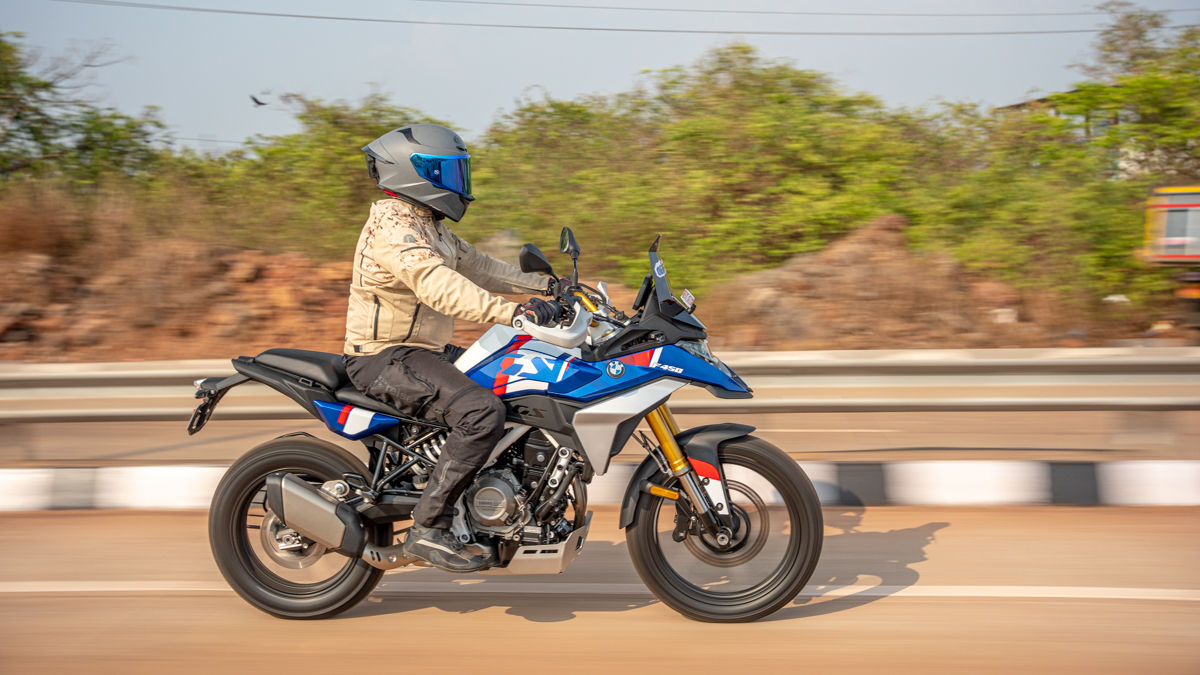
The F 450 GS carries the unmistakable GS design language, featuring quad LED DRLs inspired by the BMW R 1300 GS, the iconic beak, the GS Flyline, and side trim panels in dime silver metallic matt. It looks premium and purposeful. The Kawasaki Versys-X 300 is more functional and restrained, with a tall windscreen, upswept exhaust, wire-spoke wheels and ADV-proportioned bodywork that is understated rather than striking.
-
The design of the F 450 GS ties it emotionally to one of the most celebrated motorcycle badges on the planet. The Kawasaki is, meanwhile, clean and honest but lacks the visual theatre the BMW offers.
Ride & Handling
|
Specification |
BMW F 450 GS |
Kawasaki Versys-X 300 |
|
Frame |
Steel tube frame with load-bearing engine, steel tube sub-frame |
Backbone, high-tensile steel |
|
Front Suspension |
43mm inverted fork, 180mm travel |
41mm conventional telescopic fork, 130mm travel |
|
Rear Suspension |
Adjustable monoshock with progressive WAD damping, 180mm travel |
Bottom-link Uni-Trak gas-charged monoshock, 5-step preload adjustable, 147mm travel |
|
Front Brake |
310mm disc with Brembo 4-piston calliper |
290mm petal disc with twin-piston calliper |
|
Rear Brake |
240mm disc |
220mm petal disc |
|
Front Tyre |
100/90 R19 (tubeless) |
100/90-19 (tube-type) |
|
Rear Tyre |
130/80 R17 (tubeless) |
130/80-17 (tube-type) |
-
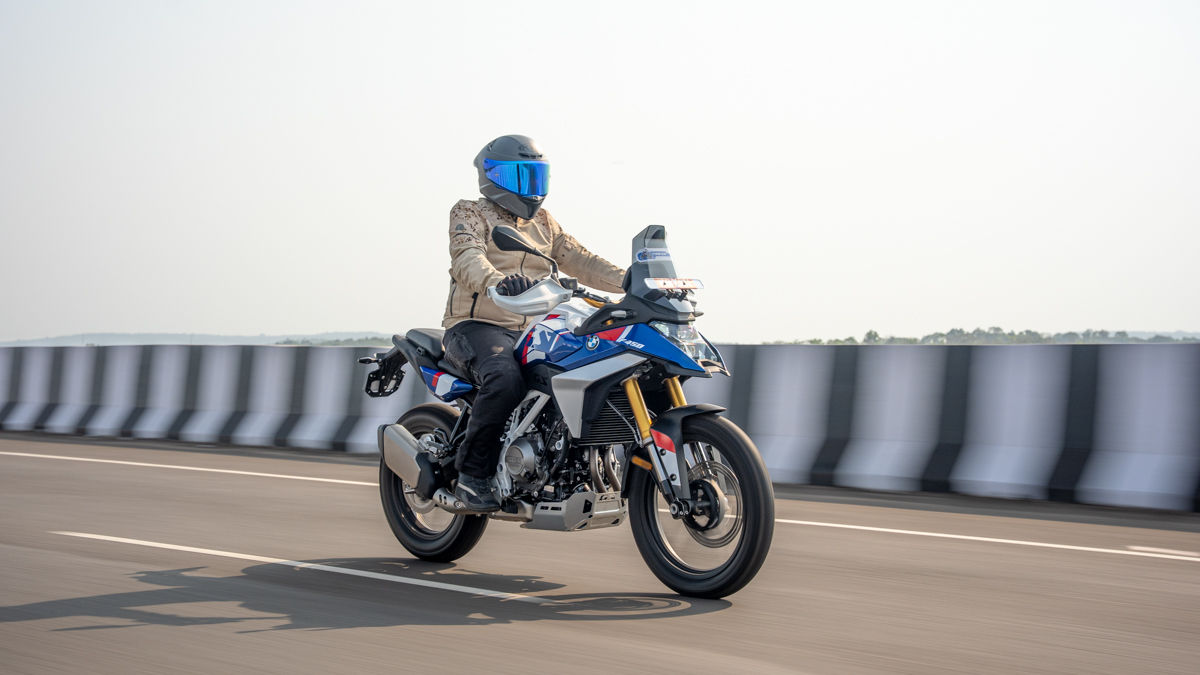
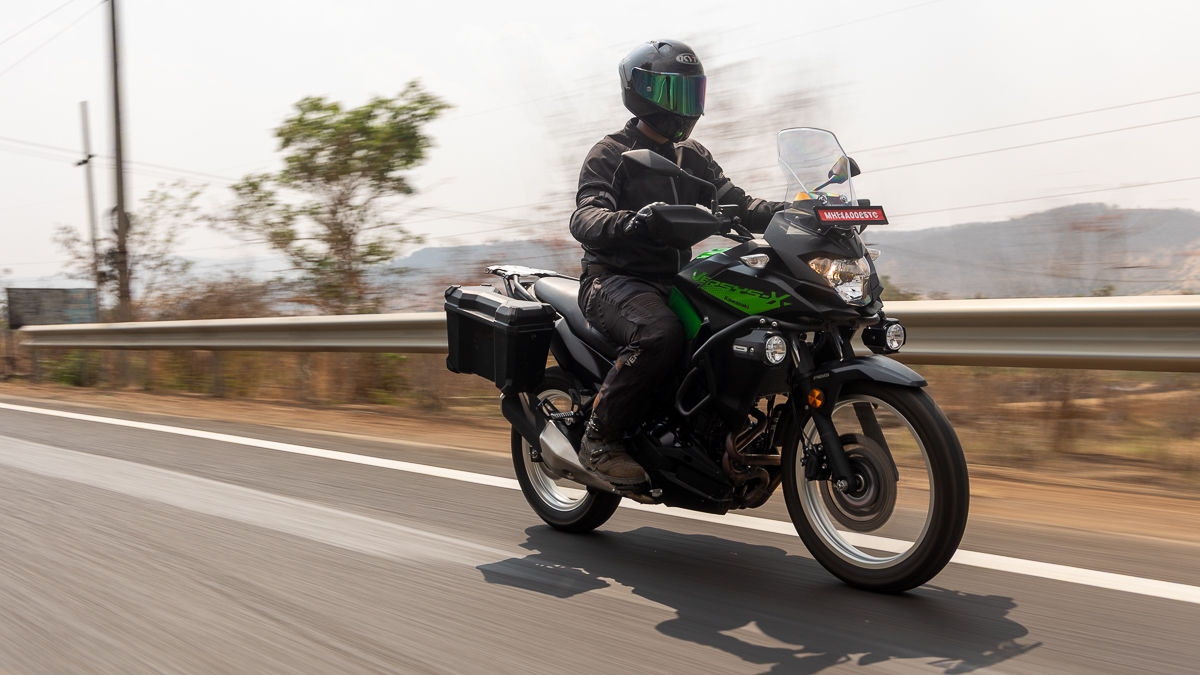
While the entire chassis of both motorcycles is like chalk and cheese, the suspension setup makes a huge difference here. Both ends of the BMW F 450 GS get a pretty advanced setup, offering much longer suspension travel than the Kawasaki Versys-X 300.
-
The longer travel provides the GS with a better edge on broken roads and trails. Plus, its highly rigid frame, with the engine as a stressed member, inverted fork, and an adjustable rear monoshock, should feel more composed and confident at high speeds and other extreme situations.
-
The BMW's rear monoshock with progressive WAD (Wide Area Damping) technology adapts to load, riding style, and surface, which makes for a meaningfully more advanced setup than the Kawasaki's preload-adjustable Uni-Trak monoshock.
-
The GS also comes with a much better braking setup, featuring larger brake discs, paired with premium callipers and tech. It should definitely offer sharper and more progressive braking performance than the Versys-X.
-
The wheel and tyre sizes are identical on both bikes, and they both come with slightly different dual-sport tyres, good for both on- and off-road use. However, the F 450 GS gets alloy wheels with tubeless radial tyres, offering a better feel on the tarmac, while the Versys-X 300’s wire-spoke wheels are more durable for off-roading.
-
The GS also offers optional aluminium cross-wire-spoke wheels, again with tubeless tyres, offering better puncture resistance and ease of repair. On the other hand, the tubed tyres on the Versys require a huge tyre repair kit, which can be a problem in remote locations.
Features & Technology
|
Feature |
BMW F 450 GS |
Kawasaki Versys-X 300 |
|
Headlight |
Full LED with X-icon quad DRL |
Halogen |
|
Instrument Cluster |
6.5-inch TFT Screen |
Semi-digital (analogue tacho + LCD screens) |
|
Smartphone Connectivity |
Navigation prep (ConnectedRide Navigator, optional) |
None |
|
Riding Modes |
Rain, Road, Enduro (Pro on Exclusive & GS Trophy) |
__ |
|
Engine Drag Torque Control |
Yes |
— |
|
Traction Control |
Switchable BMW Motorrad DTC |
__ |
|
ABS Type |
Dual-channel ABS Pro (cornering-capable, switchable) |
Standard dual-channel ABS |
|
Dynamic Brake Control |
Yes |
— |
|
Quickshifter |
Shift Assistant Pro (on Exclusive & GS Trophy) |
— |
|
Hand Protectors |
Standard on Exclusive & GS Trophy |
Optional |
|
Heated Grips |
Standard |
— |
|
Adjustable Levers |
Standard |
— |
|
Smartphone charging port |
USB Type-C |
— |
|
Enduro foot pegs & engine guard |
Yes |
— |
-
The BMW F 450 GS clearly leads the features chart on a significant margin, not just because it offers a lot but because the Kawasaki Versys-X 300 misses some bits, too.
-
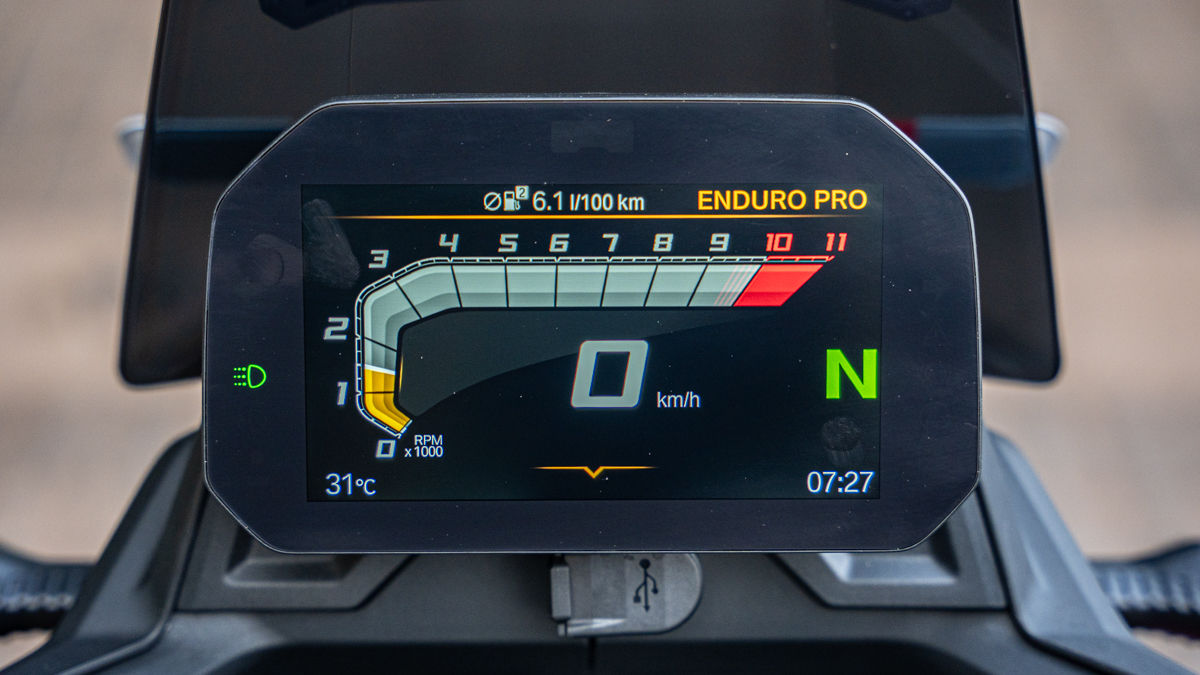
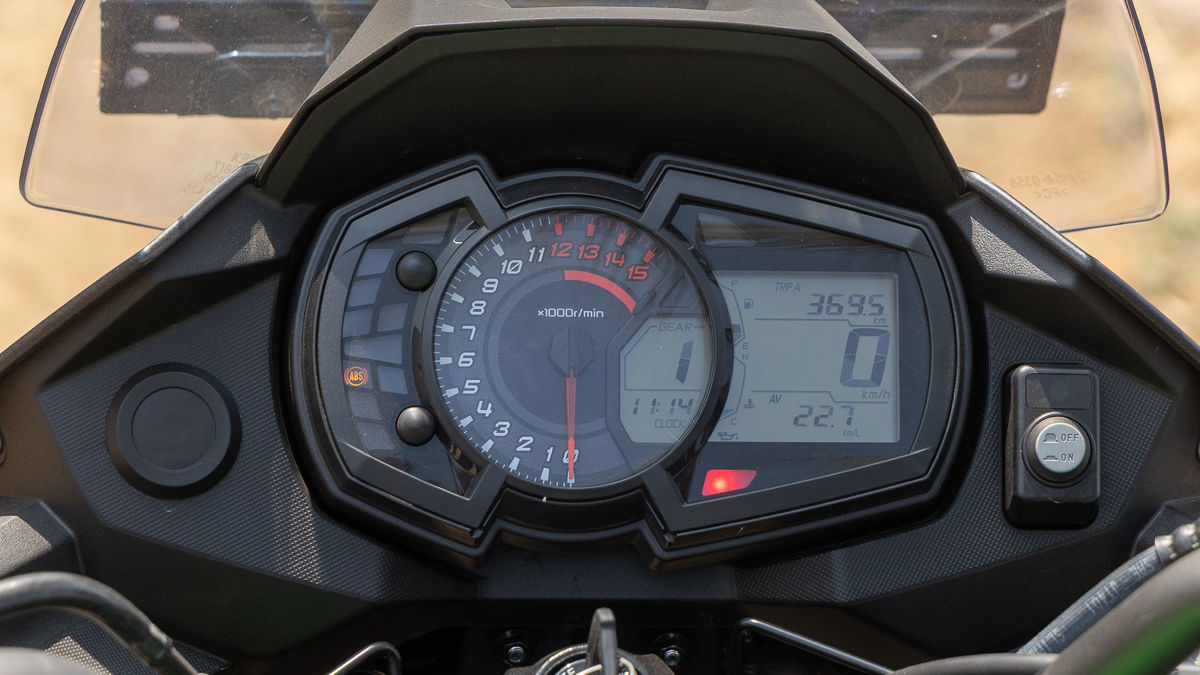
BMW offers a premium LED headlamp setup, while the Versys-X features an old-school halogen lamp.
-
The GS comes with a large TFT screen, featuring a full connectivity suite and navigation, while Kawasaki offers a semi-digital console.
-
The F 450 GS is in a much higher league of electronics-based safety with 4 riding modes, switchable ABS Pro and traction control, dynamic brake control, and engine drag torque control. Its mid- and top variants even offer a bi-directional quickshifter, while the Versys-X 300 only gets a standard dual-channel ABS.
-
BMW even provides a more complete adventure package, including enduro footpegs, an engine guard, adjustable levers, heated grips and knuckle protectors as standard, while Kawasaki offers just some of these as optional extras.
-
The Versys-X even misses out on basic features like a USB charging port, while the F 450 GS gets a Type-C port as standard.
Engine & Performance
|
Specification |
BMW F 450 GS |
Kawasaki Versys-X 300 |
|
Engine Type |
Parallel-twin, liquid-cooled, 4-stroke |
Parallel-twin, liquid-cooled, 4-stroke |
|
Displacement |
420cc |
296cc |
|
Max Power |
47.6PS at 8,750rpm |
39.4PS @ 11,500rpm |
|
Max Torque |
43Nm at 6,750rpm |
26Nm at 10,000rpm |
|
Gearbox |
6-speed with Shift Assistant Pro |
6-speed |
|
Clutch |
Wet multi-plate with Anti-Hopping tech / Optional Easy Ride Clutch (ERC) |
Wet multi-plate with Assist & Slipper tech |
|
Fuel System |
Fuel injection, with ride-by-wire throttle |
Fuel injection, with dual throttle bodies |
-
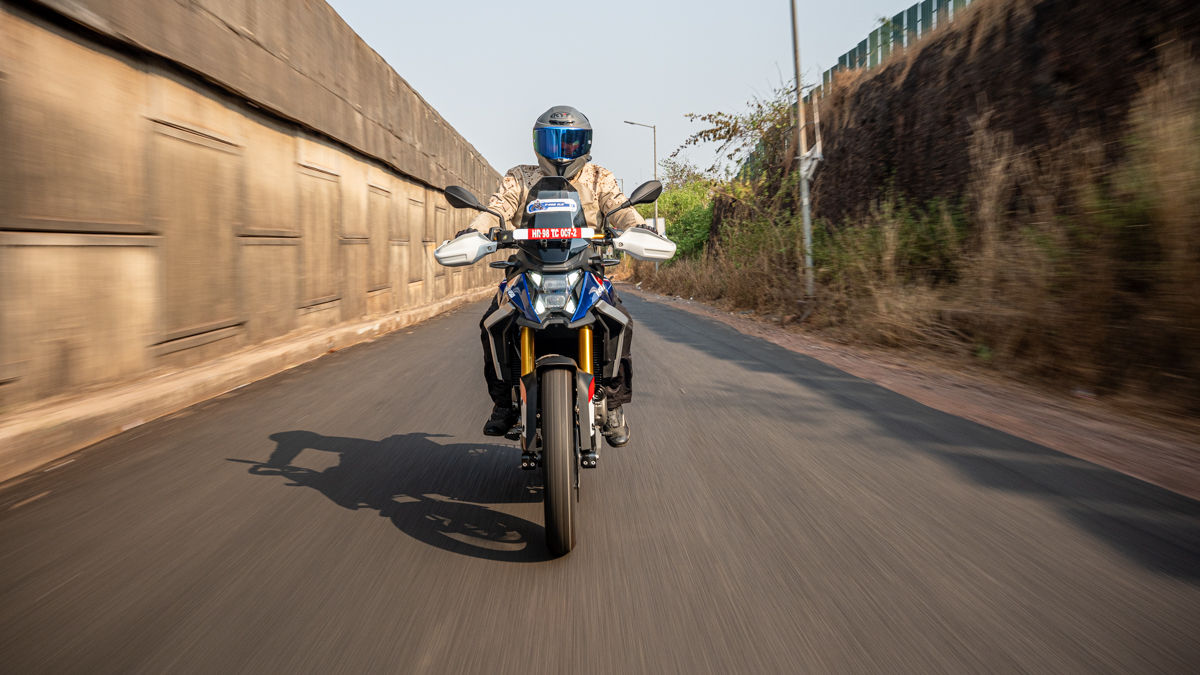
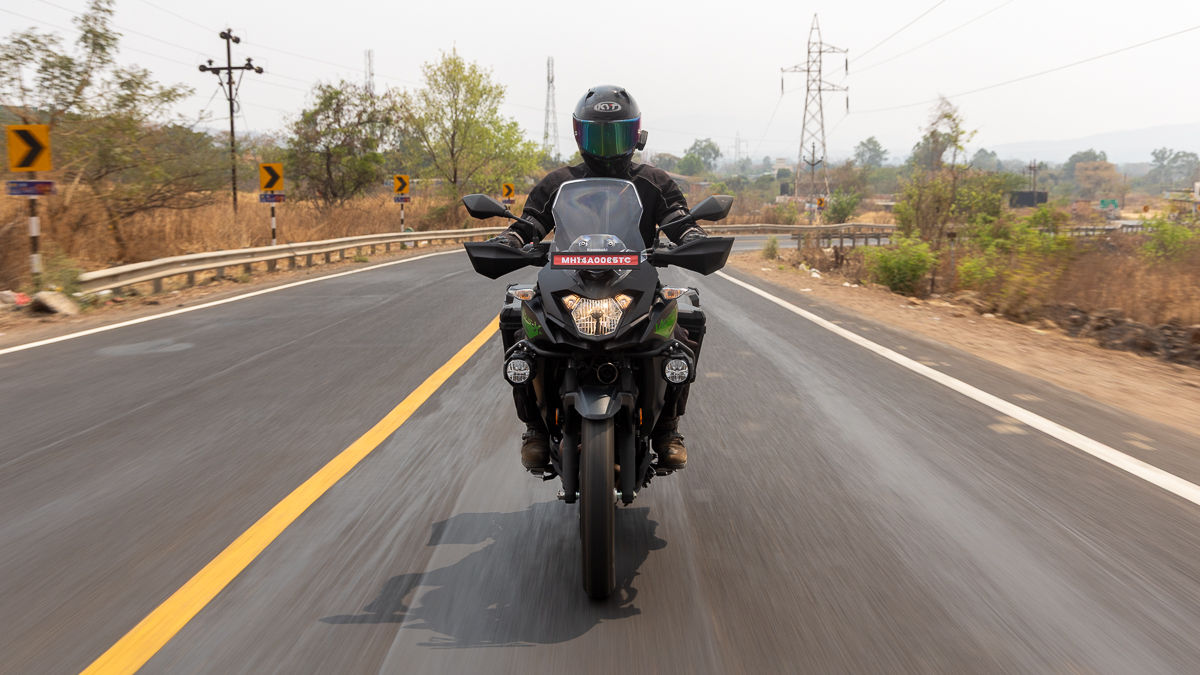
The BMW's larger parallel-twin engine is a more advanced, refined, powerful and torquey unit than the Kawasaki’s, and by a meaningful margin. It delivers about 22 per cent more power and 67 per cent more torque at much lower engine speeds, offering a relaxed cruising experience.
-
The GS comes with Ride-by-Wire tech for a crisp throttle response, while the dual throttle bodies provide the Kawasaki with a fairly optimum balance of performance and efficiency.
-
Both get a six-speed gearbox with an Assist & Slipper multiplate clutch, but the F 450 GS also brings a bi-directional Quickshifter Pro to the mix for safe and slick clutchless up- and downshifts.
-
BMW also offers an Easy Ride Clutch that helps with effortless low-speed riding without touching the clutch, reducing rider fatigue. The feature comes standard in the top-spec Trophy variant and is optional on the other two trims.
Verdict
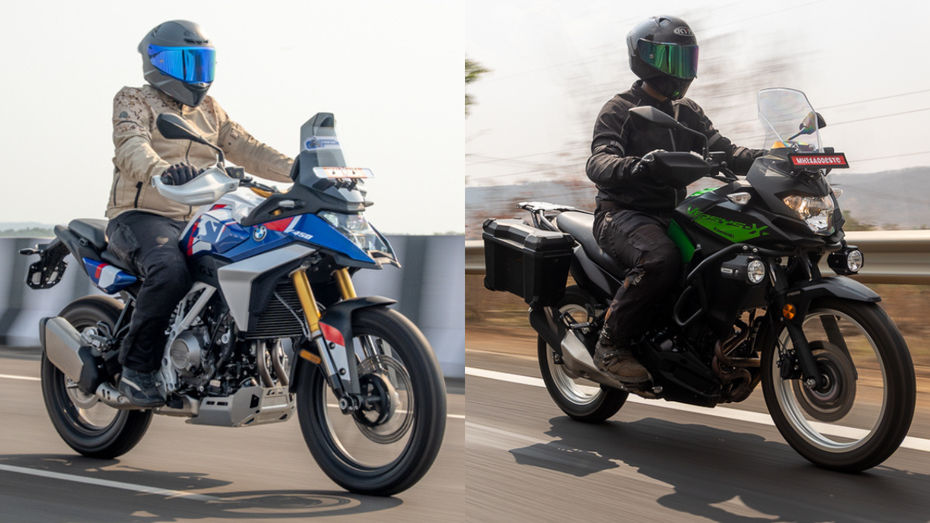
The Kawasaki Versys-X 300 makes for a good budget option to enter the twin-cylinder ADV category. It is refined, has comfortable ergonomics, is less complicated, and is an enjoyable machine to live with. Though it lacks features and outright performance, it can be decent fun to ride both on- and off-road.
The BMW F 450 GS, on the other hand, is a much more premium proposition, but for around Rs 1.2 lakh more at the base level. However, it justifies the extra premium with better performance, a more complete electronics package, premium hardware, advanced features and better versatility.
If the budget allows, the BMW F 450 GS is the more complete adventure machine among the two. Otherwise, the Versys-X 300 is a solid dual-purpose pick that doesn’t dig deep in your pockets.
Other Rivals
-
The Honda NX500 is slightly more powerful, but the BMW offers richer electronics and more authentic GS DNA.
-
The Himalayan 450 is far more affordable and has a massive service network across India, offering better value for money than the F 450 GS.
-
Despite offering features such as a bi-directional Quickshifter, a 5-inch TFT with map mirroring, fully adjustable suspension, and more, the TVS Apache RTX 300 BTO costs half the base price of the 450 GS.
User Reviews
- About the bikeIt was my dream bike and it's so reliable and smooth. It has many features, like multiple riding mods and the trophy version has a ERC that means (easy riding clutch) it is very helpful to the beginners. The handling of the bike is very smooth and it gives around 20 to 24 milage on an average in highways and its seats are so much comfortable and it has a heating grips which helps me in early morning rides. I like to recommend this bike to the proper off-road bikers and they love this very much because of its handling and ERC you can also adjust the suspensions of both side and have a good off-road experience.Read More
- Versys X 300 – Chhoti si badi bike!2024 mein li thi yeh bike, ab 18,000+ km chal chuki hai. Highway, ghat, off-road, city – har jagah leke gaya hoon. Engine 39 bhp ka lagta hai chhota par actual mein bohot refined hai, 400-500 km aaram se nikal jaati hai (28-32 kmpl real mileage). Seat thoda hard hai 300+ km ke baad thakan lagti hai, Suspension adventure bike jaisa kaam karta hai. Ground clearance. Brakes decent hain, dual-channel ABS bacha leta hai emergency mein. Cons bhi hain – 6th gear mein 100-120 ke upar thoda vibration aata hai Stock tyres (Metzeler) off-road mein slip kar jaate hain. Service cost thoda high hai Kawasaki ka. Par overall ₹4 - 5 lakh on-road mein jo package milta hai – looks, touring capability, reliability – us hisaab se full paisa vasool bike hai. Agar aap beginner ho ya weekend mein long rides karte ho aur ek lightweight adventure tourer chahte ho, toh dil se recommend karunga.Read More