

TVS RTR 125 vs Kawasaki Z125: Detailed Comparison


TVS takes on Kawasaki with a 125cc streetfighter that promises more torque, bigger brakes and a richer technology package
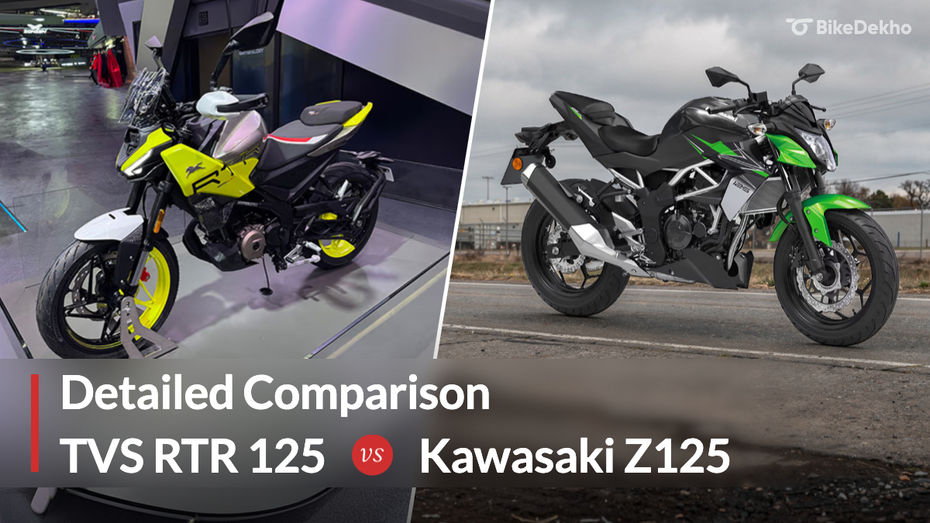
A conventional telescopic fork versus an inverted setup, an LCD console versus a connected TFT display, and a smaller set of features versus a more elaborate features package: the TVS RTR 125 and Kawasaki Z125 differ in several key areas despite sharing the same 125cc naked-bike format. Here's a closer look at how the two motorcycles compare.
Design
-
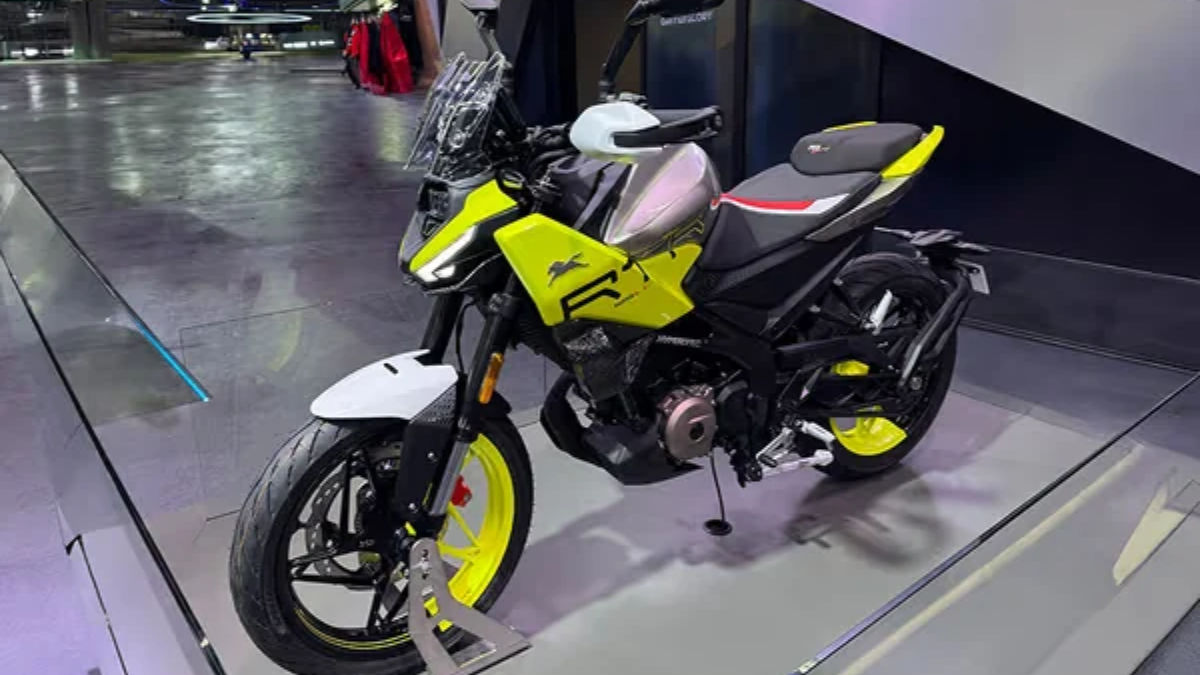
The TVS RTR 125 and Kawasaki Z125 are both compact naked streetfighters, but they take different approaches to styling. The RTR 125 has a sharp, aggressive design, highlighted by its angular tank extensions, projector LED headlamp and distinctive DRLs.
-
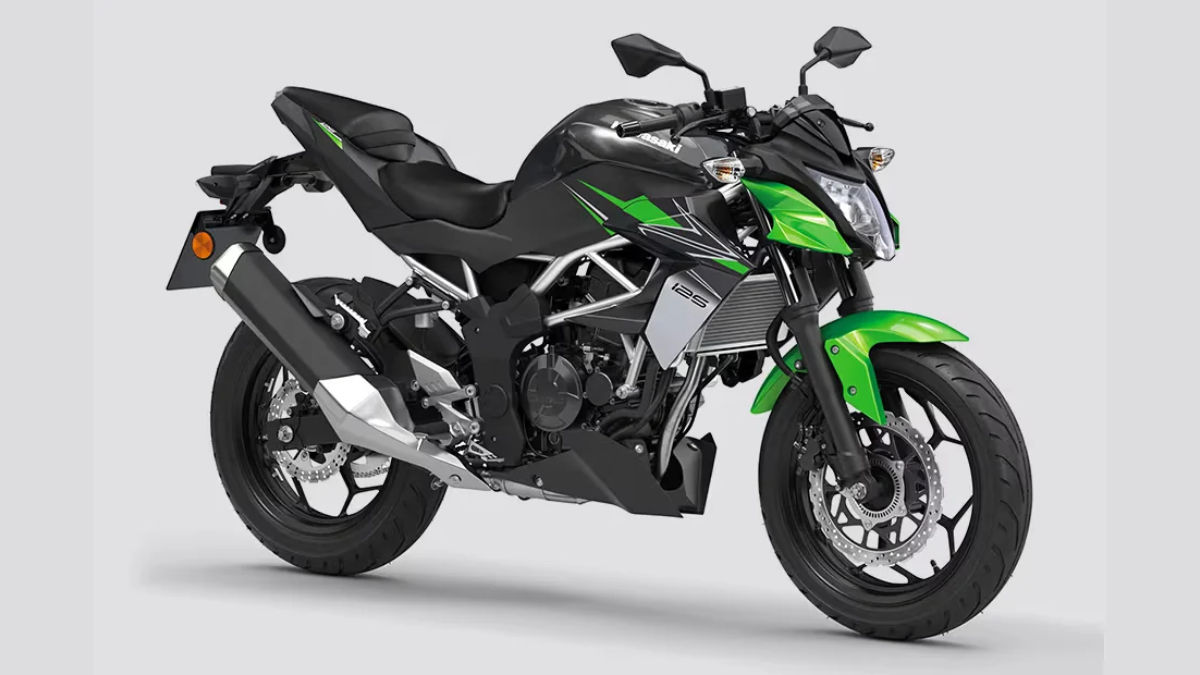
The Kawasaki Z125, on the other hand, gets a slim, muscular fuel tank, sharp body panels and a compact tail section, with an exposed trellis frame adding to its streetfighter appeal. Its styling is inspired by the larger motorcycles in Kawasaki's Z range, giving it a familiar supernaked appearance.
Underpinnings
|
Specifications |
TVS RTR 125 |
Kawasaki Z125 |
|
Front suspension |
KYB Inverted fork |
Telescopic fork |
|
Rear suspension |
KYB Monoshock |
Monoshock |
|
Front brake |
Disc brake |
Disc brake |
|
Rear brake |
Disc brake |
Disc brake |
-
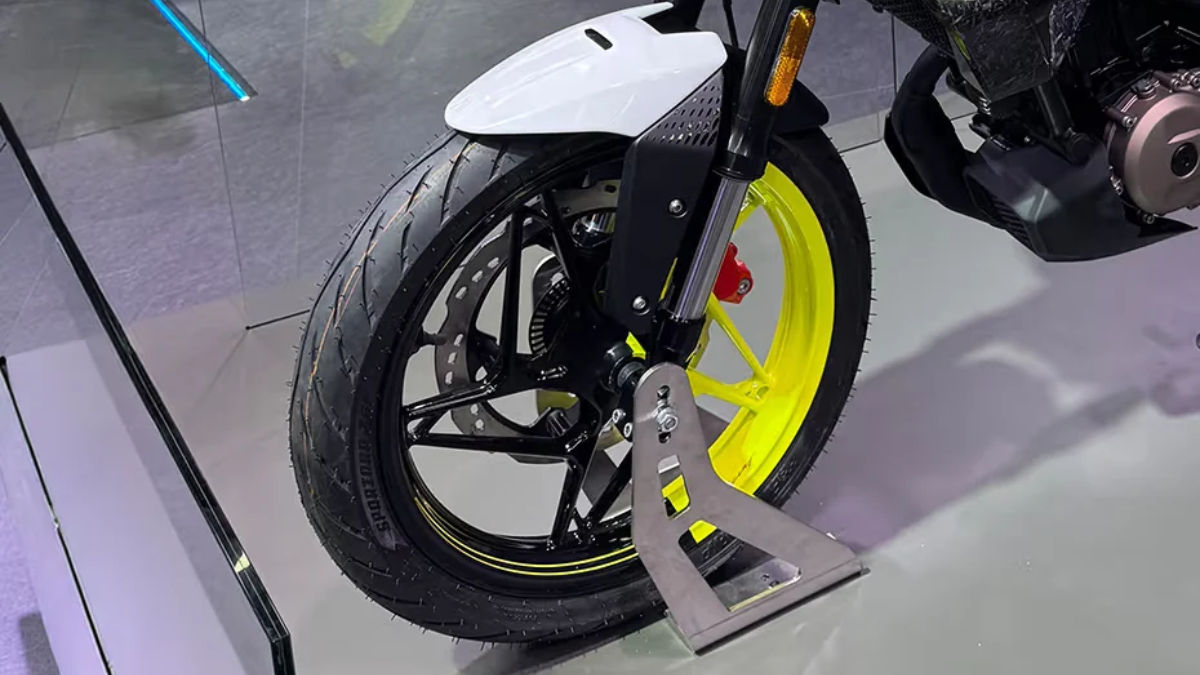
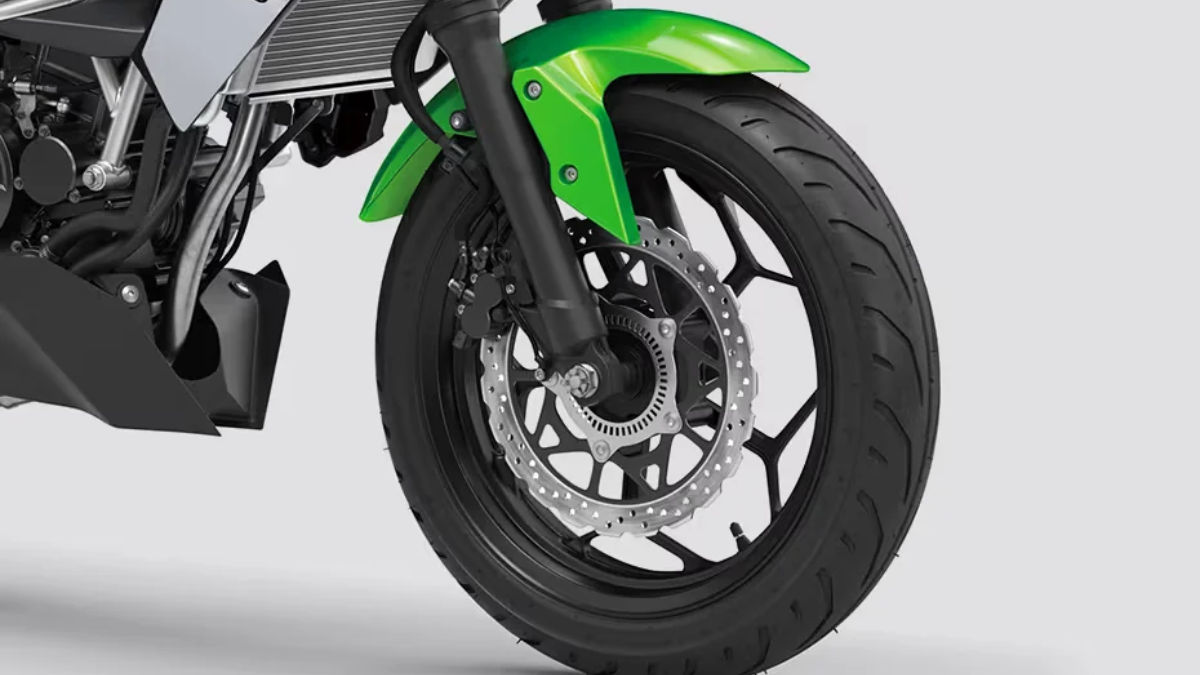
The biggest difference between the two motorcycles is their front suspension setup. The RTR 125 gets a 41mm KYB inverted fork, while the Z125 uses a 37mm telescopic fork. The inverted fork on the TVS should offer better rigidity under hard braking and during cornering, giving it an advantage in terms of front-end hardware.
-
The RTR 125 gets larger disc brakes at both ends, with a 300mm front disc and a 240mm rear disc. The Kawasaki Z125 uses a 290mm front disc and a 220mm rear disc, both with dual-piston calipers. The larger discs on the TVS should offer greater braking leverage, although the actual braking performance will also depend on the calipers, pads and ABS calibration.
-
Both motorcycles get dual-channel ABS, but the RTR 125 has switchable dual-channel ABS.
Features
|
Specifications |
TVS RTR 125 |
Kawasaki Z125 |
|
Full-LED lighting |
Yes |
Yes |
|
Bluetooth connectivity |
Yes |
No |
|
USB charging |
Yes |
Yes |
|
Instrument Console |
5-inch TFT display |
LCD display |
|
ABS |
Switchable dual-channel ABS |
Dual-channel ABS |
-
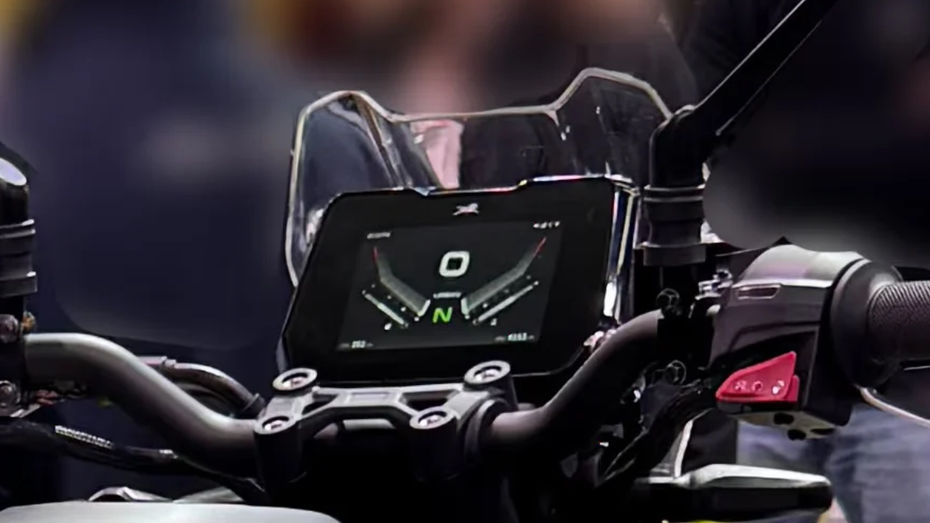
The RTR 125 has a more extensive features package on paper. It gets a 5-inch TFT instrument console with Bluetooth connectivity, Google Maps mirroring and other connected features. The display also supports turn-by-turn navigation, making it more useful for riders who regularly use navigation while commuting.
-
The Kawasaki Z125 gets an LCD instrument panel with no smartphone connectivity.
-
The RTR 125 also gets ride modes, allowing riders to adapt the motorcycle's response to different riding conditions.
Performance
|
Specifications |
TVS RTR 125 |
Kawasaki Z125 |
|
Engine |
125cc, 4-valve, liquid-cooled DOHC |
125cc, single-cylinder, liquid-cooled DOHC engine |
|
Power |
14.9 PS at 9,000rpm |
14.14PS at 10,000rpm |
|
Torque |
12Nm at 7,000rpm |
11.7Nm at 7,700rpm |
|
Gearbox |
6-speed with slipper clutch |
6-speed with slipper clutch |
-
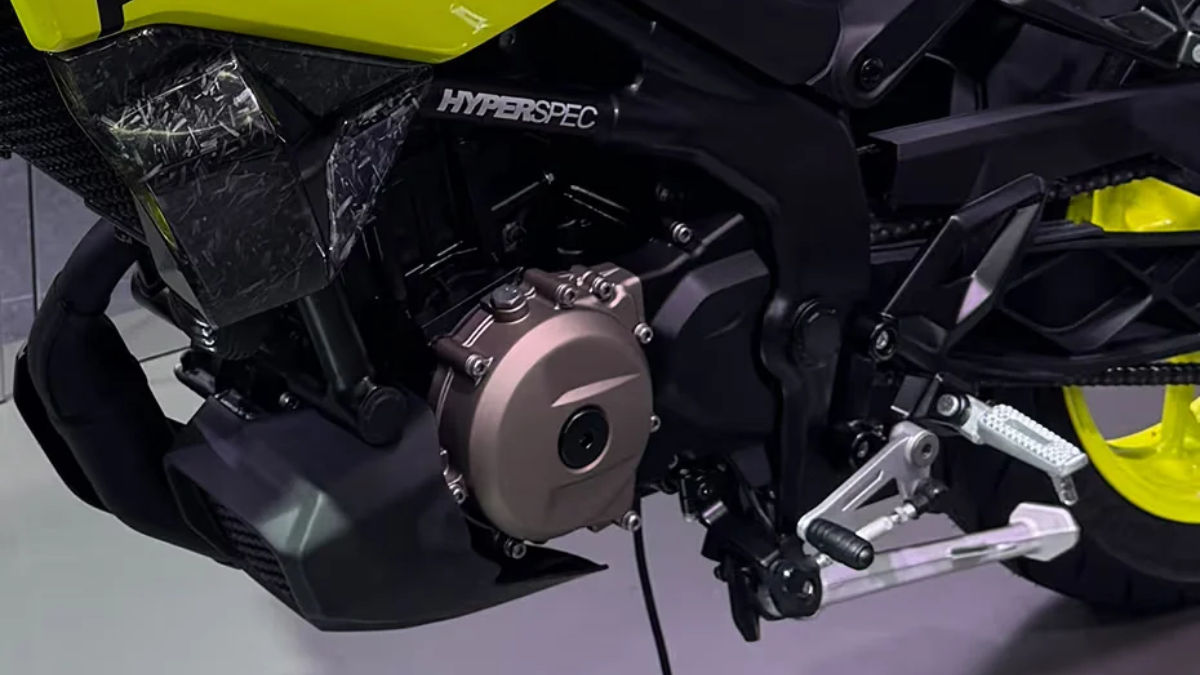
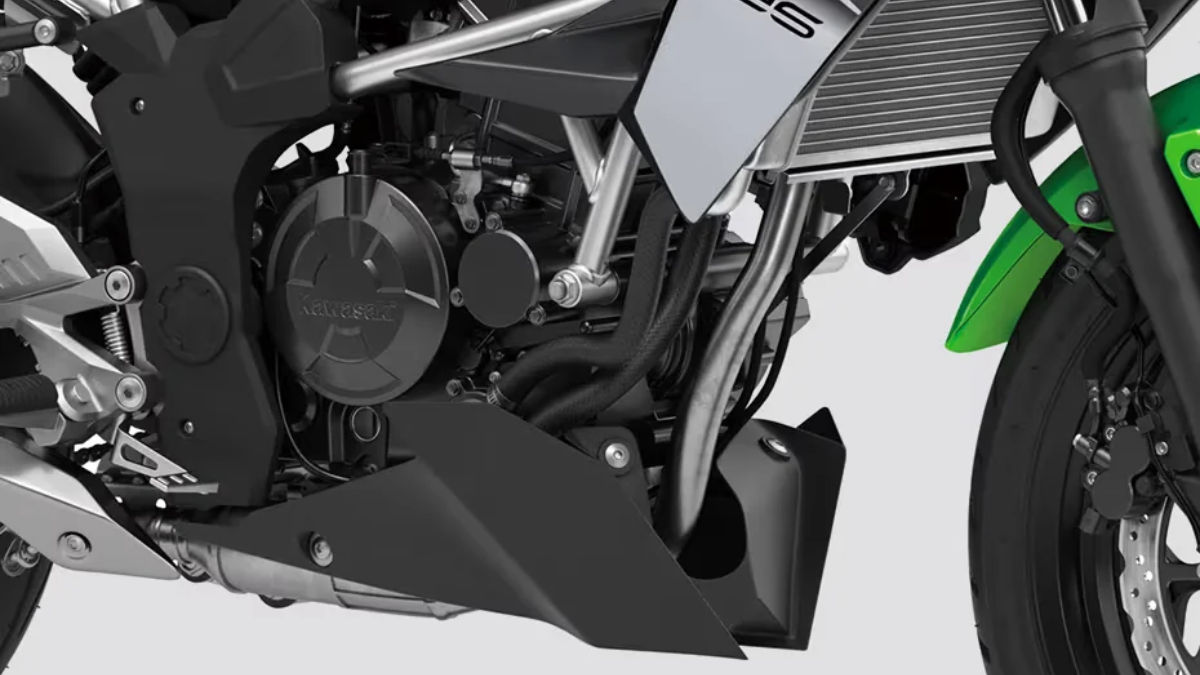
Both motorcycles are powered by 125cc, liquid-cooled, single-cylinder DOHC engines.
-
The RTR 125 produces 14.9PS at 9,000rpm and 12Nm at 7,000rpm. This gives the TVS RTR 125 a small advantage in both peak power and torque, although the Kawasaki makes its peak output at higher rpm levels.
-
The torque difference is relatively small, with the RTR 125 producing 0.3Nm more than the Z125. However, the RTR 125 develops its peak torque 700rpm earlier, which could give it an advantage in terms of mid-range response and everyday acceleration.
-
Both motorcycles get a six-speed gearbox. However, the RTR 125 has a multiplate assist and slipper clutch, which should make the clutch action lighter and help control rear-wheel hopping during aggressive downshifts.
Verdict
The TVS RTR 125 and Kawasaki Z125 are closely matched in terms of engine performance, but the TVS RTR 125 has a slight advantage in its power and torque figures. It also gets a more advanced front suspension setup, larger disc brakes at both ends, switchable dual-channel ABS and a more comprehensive connectivity package.
The TVS RTR 125 has the advantage on paper, particularly in terms of suspension, braking and connected features, but the Kawasaki Z125 remains a well-equipped option for riders who prefer its styling and reliable performance.
