

Explained: 2-Stroke vs 4-Stroke Motorcycle Engines - The Complete Beginner’s Guide


Here we answer all your questions about two-stroke and four-stroke engines!
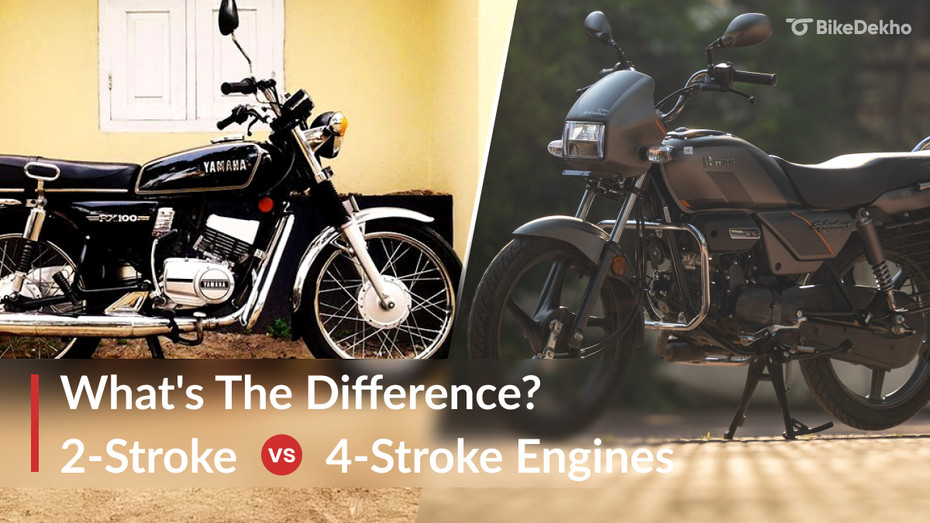
If you’re a two-wheeler enthusiast, you must have come across the terms 2-stroke engine and 4-stroke engine. But what exactly is the difference between the two? And is one better than the other? We explain:
What exactly is the difference between a 2-stroke and a 4-stroke engine?
At the most basic level, the difference lies in how many piston movements, called strokes, are needed to complete one power cycle. A 2-stroke engine produces power every two strokes of the piston, while a 4-stroke engine produces power every four. In simpler words, a 2-stroke engine fires once with every rotation of the crankshaft, whereas a 4-stroke fires once every two rotations.
This seemingly small difference has massive implications for how the engine feels, how much fuel it uses, how much power it produces, and even how long it lasts.
Why were 2-stroke motorcycles once so popular in India?
If you grew up in the 80s or 90s, chances are you’ve either ridden a 2-stroke bike or at least heard its raspy exhaust note. The reasons for their popularity were straightforward.
-
They were lightweight and cheap to manufacture.
-
They delivered quick bursts of power relative to their size, which made them fun to ride.
-
They had a simple mechanical design, making them easier to repair in local workshops.
Why did India move away from 2-stroke motorcycles?
As exciting as they were, 2-stroke engines had a fatal flaw: emissions. By the very nature of the 2-strokes, oil is mixed in fuel and is burnt during combustion. This emits a lot of harmful gases into the atmosphere, which is why you see 2-stroke bikes and scooters emitting so much smoke. With India tightening its emission norms, especially after the Bharat Stage emission standards came into play, manufacturers had no choice but to phase them out.
How does a 2-stroke engine actually work?
Imagine the piston going up and down inside the cylinder. In a 2-stroke engine, every downward motion is a power stroke. The upward stroke compresses the mixture of air, fuel, and oil, and a spark plug ignites the mixture to create the downward stroke. Simultaneously, the piston uncovers ports (instead of valves) that allow fresh charge in and burnt gases out.
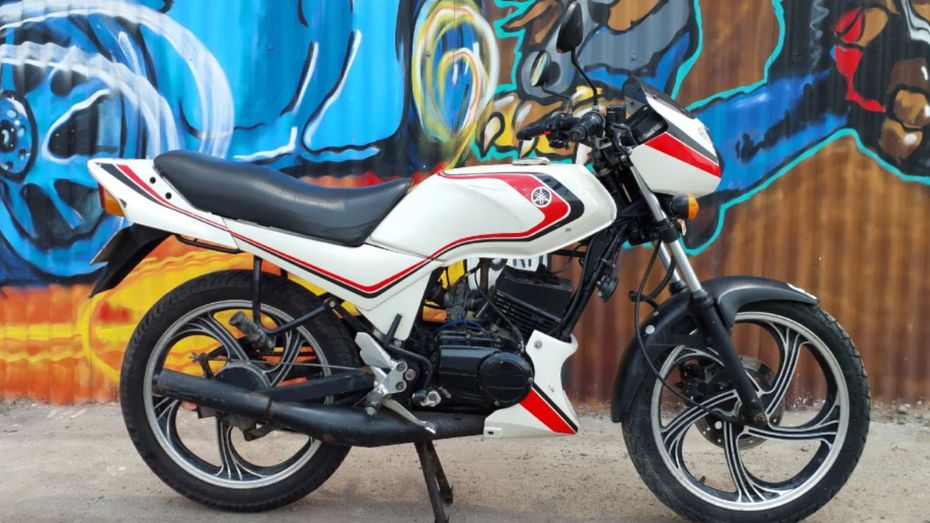
The beauty of this system is its simplicity. Fewer moving parts mean less weight and more compact size. That’s why a 100cc 2-stroke bike could keep up with, or even outperform, a 150cc 4-stroke of the same era.
And how does a 4-stroke engine differ?
A 4-stroke engine breaks the process into four distinct stages: intake, compression, power, and exhaust.
-
Intake stroke pulls air-fuel mixture in.
-
Compression stroke squeezes it.
-
Power stroke ignites it, driving the piston down.
-
Exhaust stroke pushes out the burnt gases.
Because of this separation, combustion is cleaner and more controlled. The downside is that power comes only once every two revolutions of the crankshaft. But modern engineering, combined with bigger capacity engines, makes up for this and delivers smooth, reliable power.
Which one is more fuel efficient?
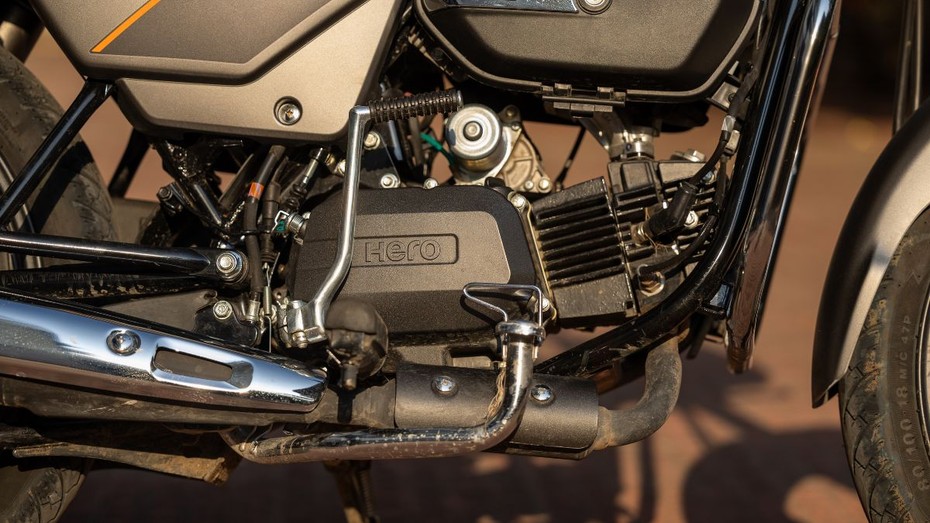
The four-stroke engine is the most fuel-efficient of the two. In two-stroke engines, there can be a lot of unburnt fuel that can reduce the bike’s mileage.
Which one lasts longer?
Since 2-strokes fire every revolution, they wear out faster and generally need overhauls or rebuilds more often. 4-strokes, on the other hand, are designed for longevity. With proper maintenance, they can easily run over a lakh kilometers without major issues.
Why do 2-strokes feel more powerful despite being smaller?
It all comes down to power-to-weight ratio and firing frequency. A 2-stroke engine delivers a power stroke with every revolution, which means more power is produced per cubic centimeter of displacement. Combine that with fewer moving parts and lower weight, and you get a bike that feels peppy and quick off the line.
What about maintenance and running costs?
On paper, 2-strokes are simpler to repair, since they have fewer parts and use ports instead of valves. Mechanics loved them because they could be opened up and rebuilt in a single afternoon. Spare parts were cheap, and roadside fixes were common.
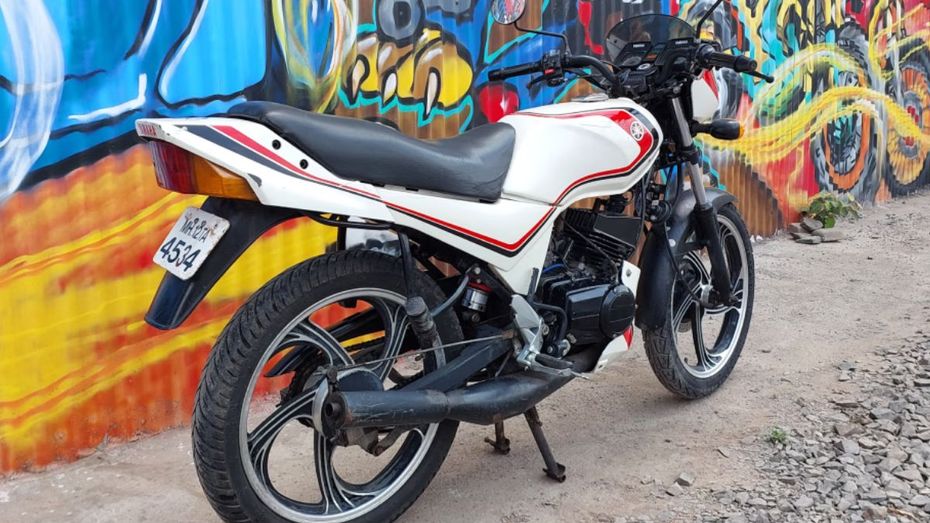
Note though, that running costs were higher with 2-strokes because you had to keep buying 2T oil to mix with petrol, and fuel efficiency wasn’t great.
Which one sounds better?
This is a subjective topic, but for many enthusiasts, nothing beats the raspy, crackling exhaust of a 2-stroke. That distinct note was almost a badge of honour, announcing your arrival long before you came into view. 4-strokes, by contrast, sound more muted and refined. For enthusiasts, sound is a big part of the nostalgia attached to 2-stroke motorcycles.
Are there still any 2-stroke motorcycles in India?
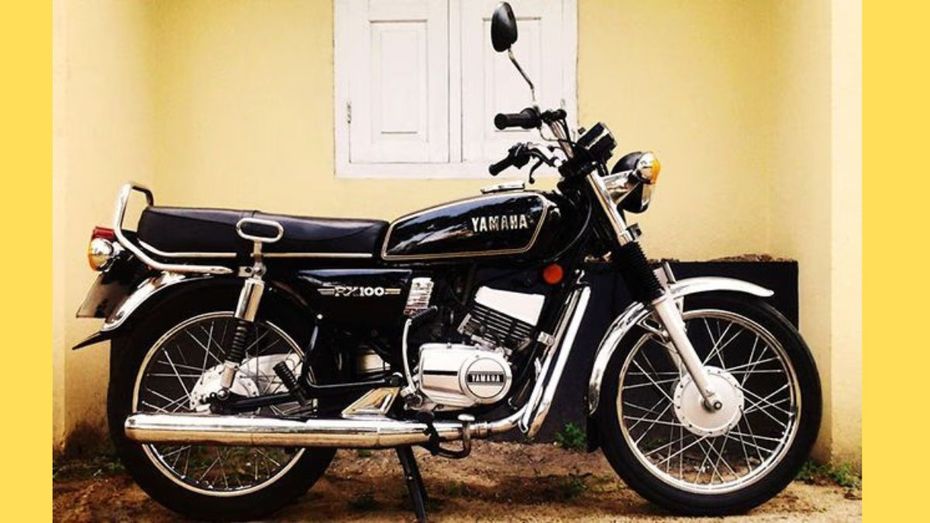
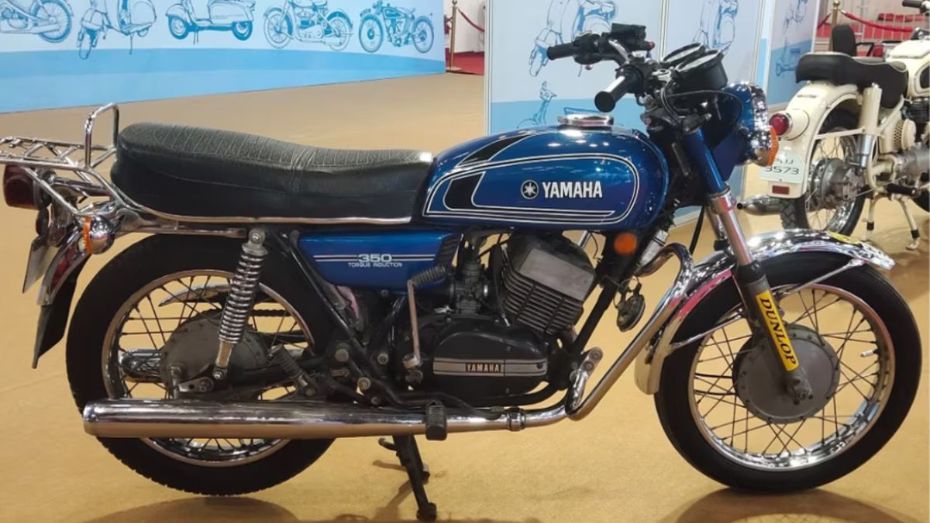
Not in showrooms. Thanks to emissions, you can’t buy a new 2-stroke motorcycle anymore. But enthusiasts have kept the legends alive. RX100s, Shoguns, and RD350s are still running, lovingly restored and often fetching high prices in the used market.
Why are modern motorcycles all 4-strokes then?
It boils down to practicality. India today demands motorcycles that are fuel-efficient, environmentally friendly, durable, and easy to live with. 4-strokes tick all those boxes.
Do scooters follow the same 2-stroke vs 4-stroke story?
Yes. Scooters, too, have transitioned to 4-stroke platforms in keeping with the times.
Could 2-strokes ever make a comeback in India?
In their traditional form, no. Emission regulations won’t allow it. However, some companies abroad are experimenting with direct fuel-injection 2-stroke technology that burns cleaner. In theory, such tech could revive the concept in niche markets like off-road bikes.
What’s the takeaway for a beginner rider in India?
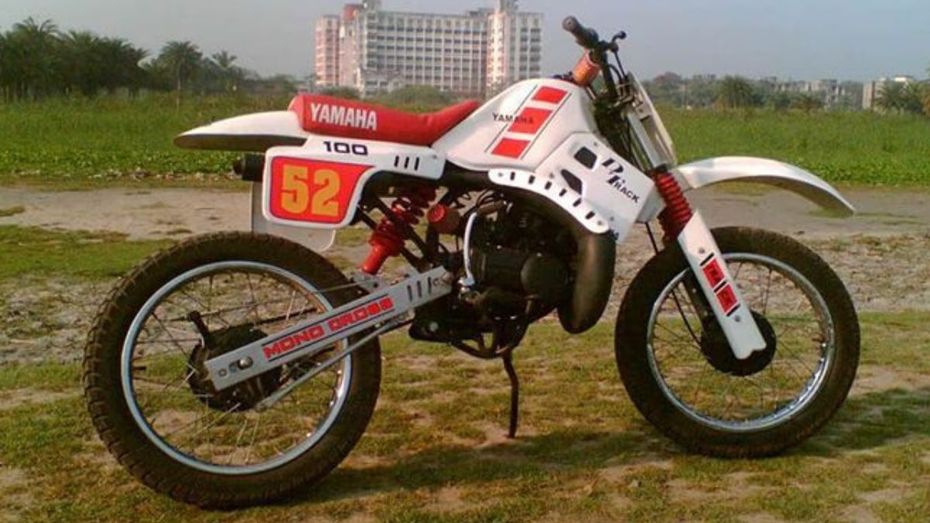
If you’re just starting out, here’s the simple truth: 2-strokes are legends, but they’re history. If you stumble upon one in good condition, it’s worth experiencing for the thrill and nostalgia. But for everyday riding, commuting, and ownership, 4-strokes are the only logical choice.
They’re efficient, reliable, and built for the kind of riding most Indians do—long commutes, family duty, or occasional highway trips. If you’ve ever wondered why your father or uncle still gets misty-eyed talking about their RX100, now you know.
User Reviews
- Too love the bikeThe bike is very nice and I love this bike. I like this bike's performance and comfort. This bike's suspension are very soft and works well. Seat is so comfortable. Overall a nice bike. I love this bike.Read More
- RX100 The Dream Bike Of IndiaI'm very excited to have this bike in 2026 or in future because this is my dream bike, the looks, comfort and specially the sound and speed of this bike is mind-blowing. when this bike runs on the road people turn there heads to see and when the DB killer removed from the silencer then it will become monster, then it's provide more sound more speed. so RX100 lovers are waiting for this big blast.Read More
2 out of 2 found this helpful