

TVS RTR 125 vs Honda Hornet CB125: Design, Underpinnings, Features, And Powertrains Comparison


The RTR 125 packs a more powerful engine and better braking hardware, but the CB125 Hornet has its own set of strengths
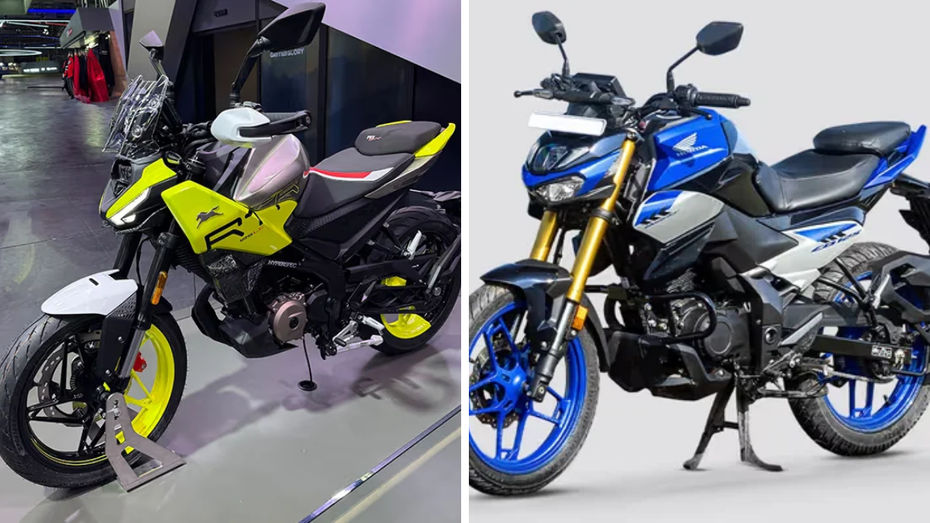
The TVS RTR 125 and Honda CB125 Hornet are two sporty 125cc motorcycles that offer premium hardware and modern features, but they differ considerably in their approach. The RTR 125 focuses on performance, with a more powerful liquid-cooled engine, a six-speed gearbox and dual-channel ABS. The CB125 Hornet takes a simpler route with an air-cooled engine and a five-speed gearbox, while still offering USD forks and a TFT display. Here is how the two motorcycles compare across design, hardware, features and performance.
Design
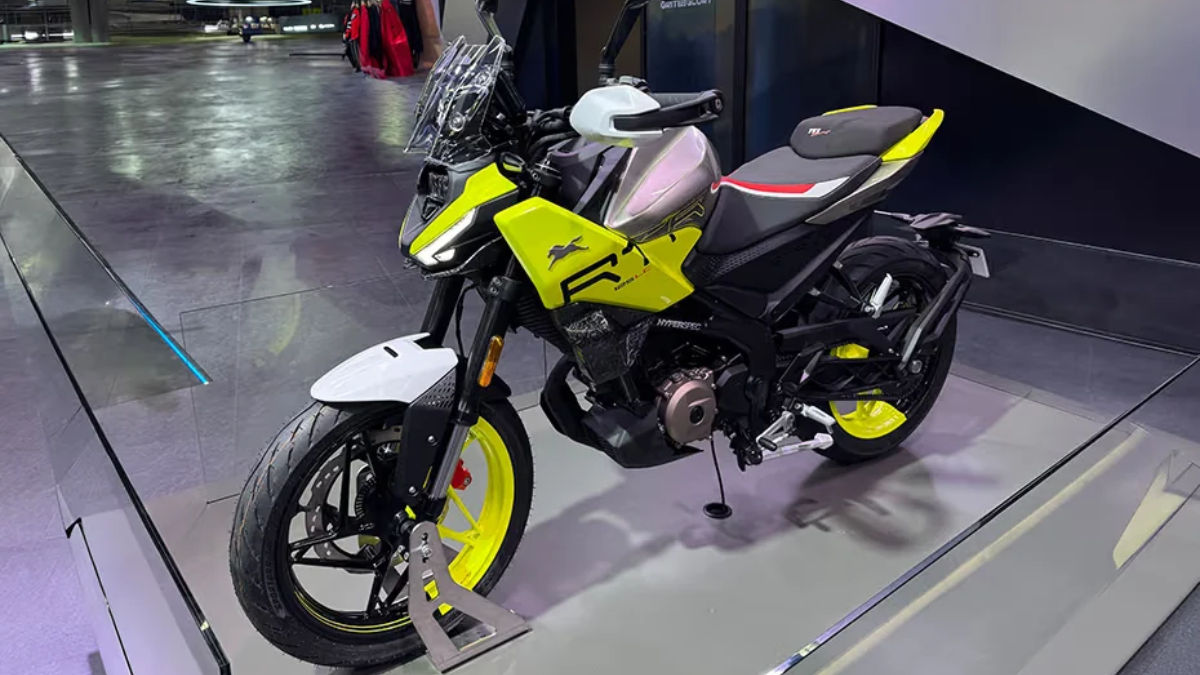
The TVS RTR 125 and the Honda CB125 Hornet both have sporty streetfighter designs, but their styling approaches are quite different. The RTR 125 has an aggressive stance, with sharply sculpted tank extensions, an exposed trellis frame and a compact rear section. Its rectangular LED projector headlamp and distinctive DRL make it look menacing, while the tall transparent windscreen adds a slightly more purposeful look.
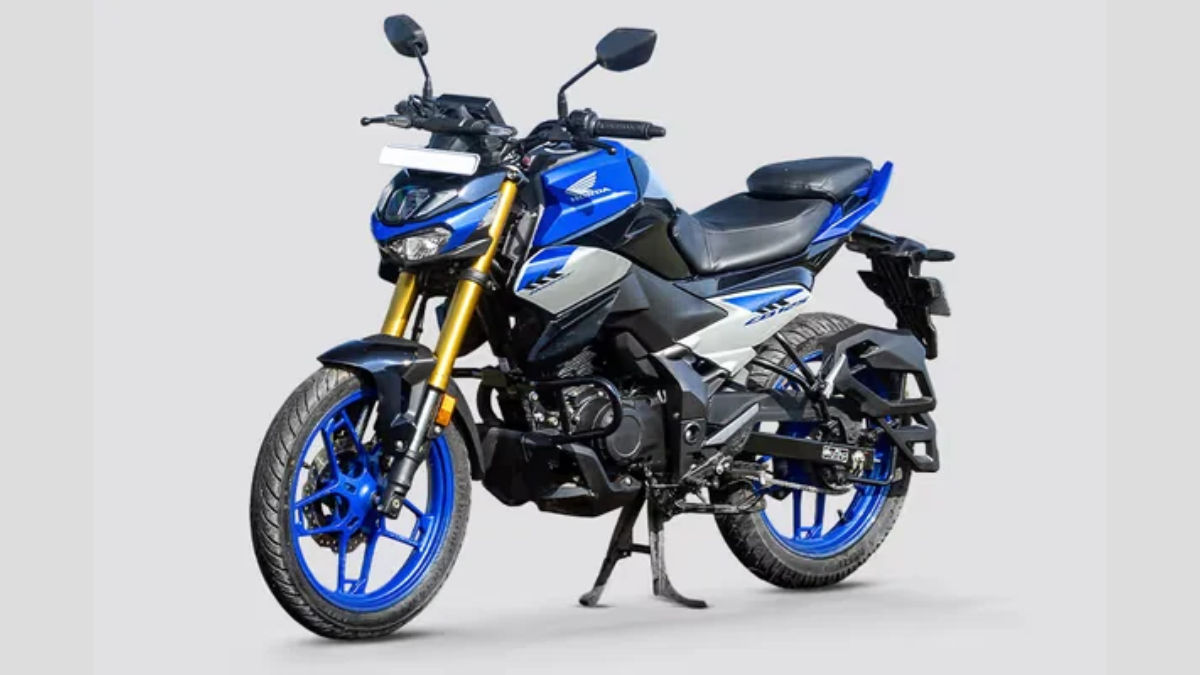
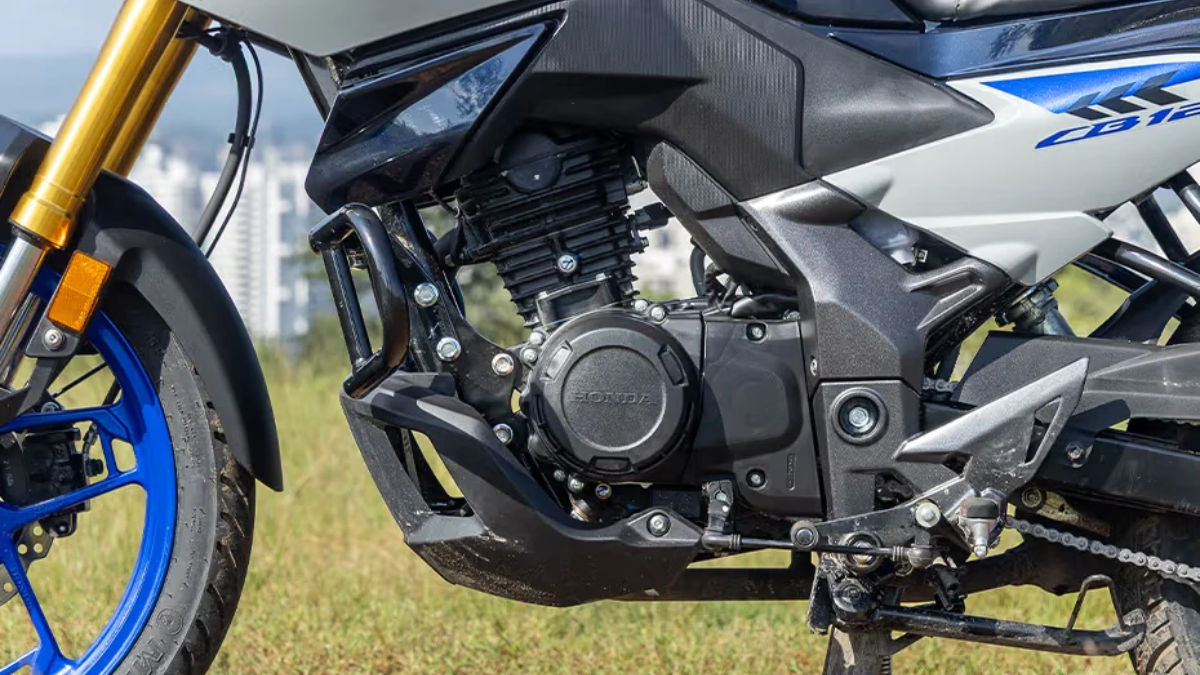
The CB125 Hornet, on the other hand, has a muscular fuel tank with sharp extensions, a split-seat setup and a twin-LED headlight design. The high-mounted turn indicators and golden inverted front forks add to its sporty appearance.
Underpinnings
|
Specifications |
TVS RTR 125 |
Honda Hornet CB125 |
|
Front suspension |
KYB Inverted fork |
Inverted fork |
|
Rear suspension |
KYB Monoshock |
Monoshock |
|
Front brake |
Disc brake |
Disc brake |
|
Rear brake |
Disc brake |
Drum brake |
-
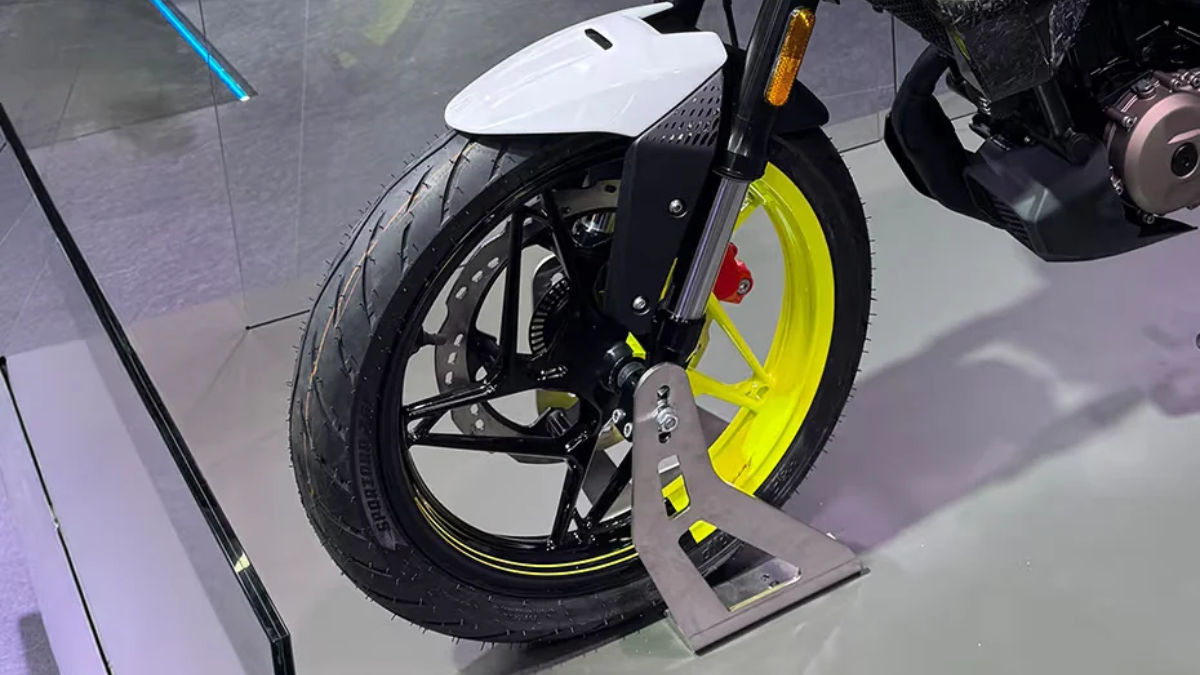
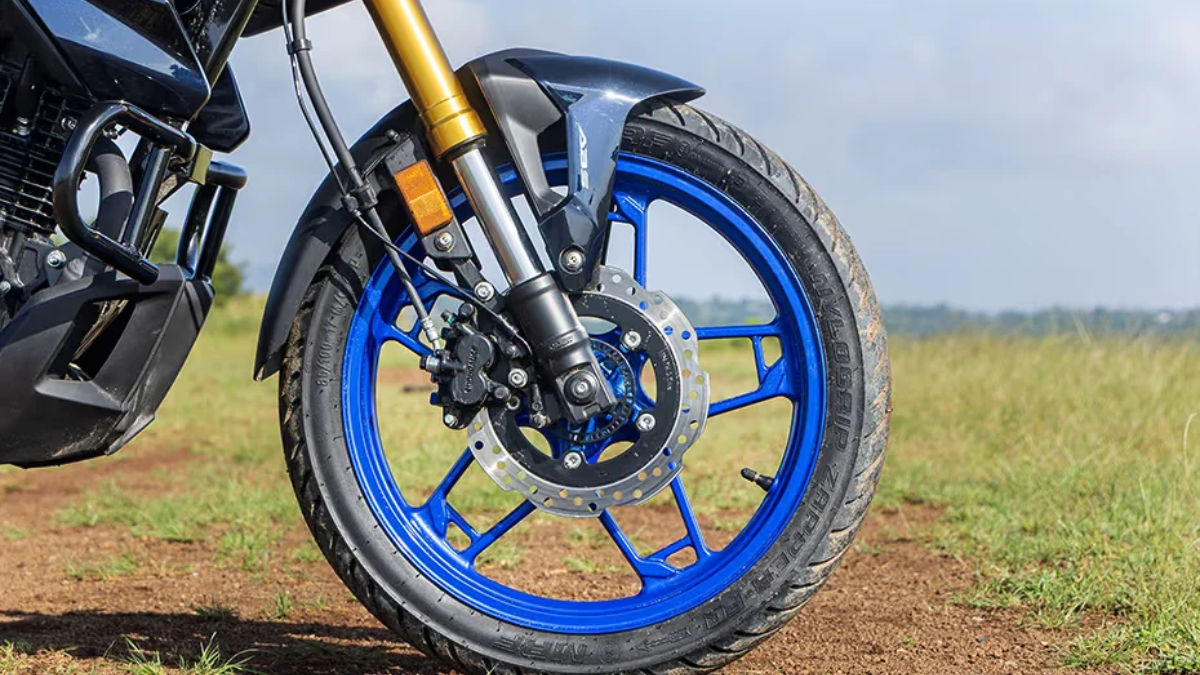
Both motorcycles get inverted forks and a rear monoshock, which is a premium setup for the 125cc segment. The USD forks should provide better front-end rigidity and control.
-
The RTR 125 gets KYB suspension components at both ends, including an adjustable rear monoshock. This gives it a more sophisticated suspension package on paper and allows the rear setup to be tuned according to riding conditions and preferences.
-
Both bikes get a front disc brake, but the RTR 125 has a disc at the rear as well. The CB125 Hornet uses a rear drum brake, which is a simpler setup and does not offer the same stopping power as the RTR 125.
-
The RTR 125 also gets switchable dual-channel ABS, while the CB125 Hornet has single-channel ABS. The RTR 125 therefore has an advantage in braking safety, as its ABS can intervene at both wheels. The CB125 Hornet's system operates only on the front wheel.
Features
|
Specifications |
TVS RTR 125 |
Honda Hornet CB125 |
|
Full-LED lighting |
Yes |
Yes |
|
Bluetooth connectivity |
Yes |
Yes |
|
USB charging |
Yes |
Yes |
|
Instrument Console |
5-inch TFT display |
4.2-inch TFT |
|
ABS |
Switchable dual-channel ABS |
Single-channel ABS |
-
Both motorcycles get full-LED lighting, Bluetooth connectivity and USB charging, so neither misses out on the basic convenience features expected from a premium 125cc motorcycle.
-
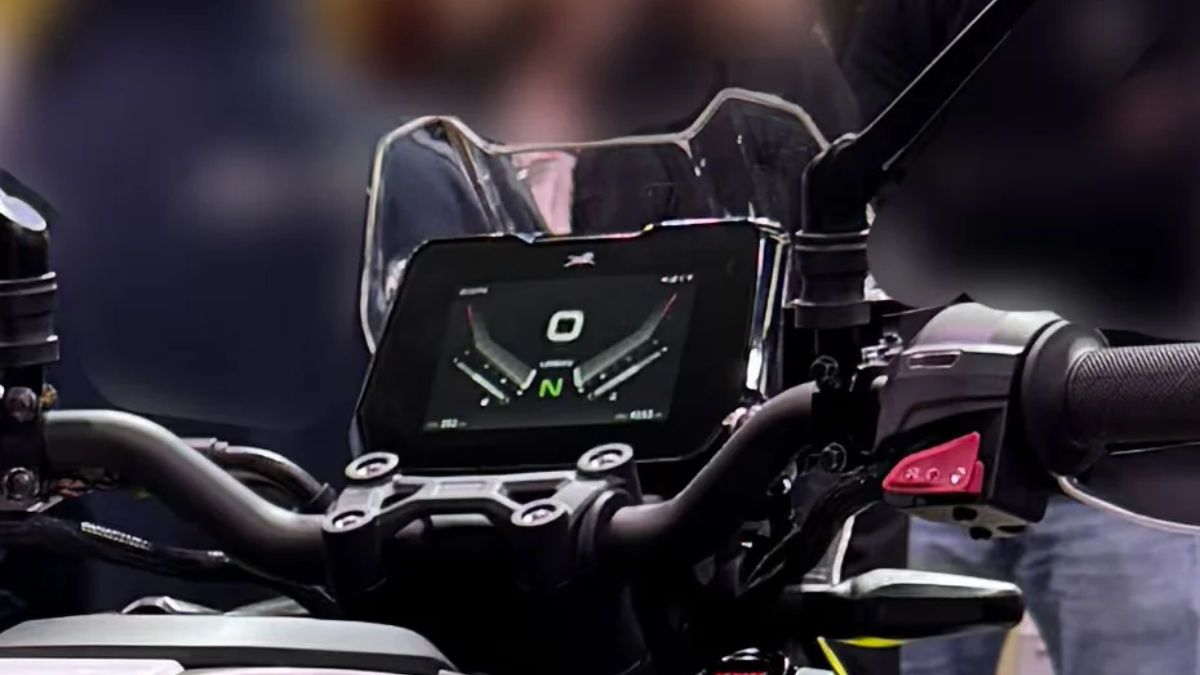
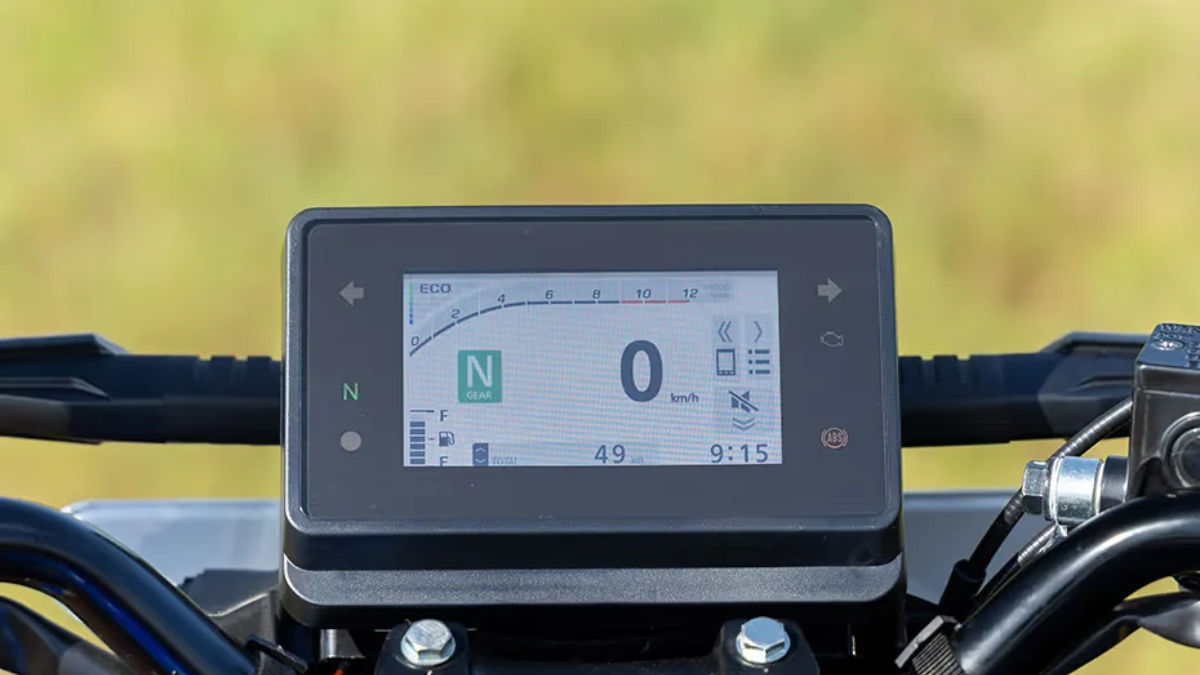
The RTR 125 gets a larger 5-inch TFT display, compared to the CB125 Hornet's 4.2-inch TFT unit. The bigger screen should make the readings easier to view, particularly when using the connected navigation functions.
-
The RTR 125's TFT console supports Bluetooth connectivity, full-screen map mirroring and turn-by-turn navigation. It also gets ride modes, allowing riders to adapt the motorcycle's response to different riding conditions.
-
The CB125 Hornet gets a 4.2-inch TFT display with Honda RoadSync connectivity. It supports features such as turn-by-turn navigation, call and SMS alerts, and music playback when paired with a smartphone.
-
Both motorcycles offer USB charging, but the CB125 Hornet gets a USB Type-C port.
Performance
|
Specifications |
TVS RTR 125 |
Honda Hornet CB125 |
|
Engine |
125cc, 4-valve, liquid-cooled DOHC |
123.94cc, single-cylinder, air-cooled engine |
|
Power |
14.9 PS at 9,000rpm |
11.14PS at 7,500rpm |
|
Torque |
12Nm at 7,000rpm |
11.2Nm at 6,000rpm |
|
Gearbox |
6-speed with slipper clutch |
5-speed |
-
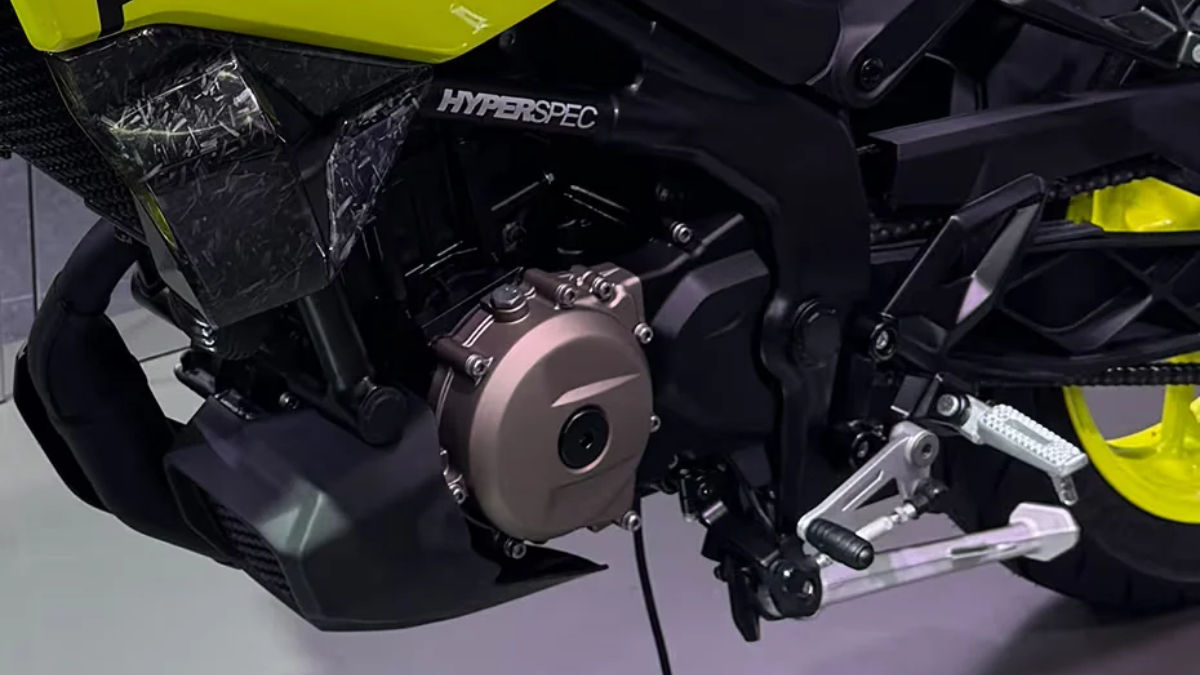
The RTR 125 has a clear advantage in terms of engine performance. Its 125cc, liquid-cooled, four-valve DOHC engine produces 14.9PS, which is around 3.8PS more than the CB125 Hornet. This should give the RTR 125 stronger acceleration and better performance when riding at higher speeds.
-
The RTR 125 also produces 12Nm of torque, compared to the CB125 Hornet's 11.2Nm. While the difference is relatively small, the RTR 125 has a slight advantage in pulling power as well.
-
The CB125 Hornet produces its peak torque at 6,000rpm, which is 1,000rpm earlier than the RTR 125. This suggests that its engine reaches its strongest torque output at lower engine speeds, which could be useful during everyday city riding. However, the RTR 125 still produces more torque overall.
-
The RTR 125 gets a liquid-cooled engine with a DOHC setup, while the CB125 Hornet uses an air-cooled engine. The RTR 125's liquid-cooling system should help maintain more consistent engine temperatures while riding in the city.
-
The RTR 125 also gets a 6-speed gearbox, compared to the CB125 Hornet's 5-speed unit. The additional gear gives the RTR 125 more flexibility in distributing its power at higher speeds, while the slipper clutch should help reduce rear-wheel hopping during aggressive downshifts.
-
The CB125 Hornet's 5-speed gearbox is a simpler setup, but it should be adequate for everyday commuting requirements.
Verdict
The RTR 125 has a clear advantage in terms of performance and braking hardware. Its liquid-cooled engine produces considerably more power and slightly more torque than the CB125 Hornet, while the 6-speed gearbox and slipper clutch add to its sporty nature. It also gets a larger TFT display, ride modes and switchable dual-channel ABS, making it the more feature-rich motorcycle on paper.
The CB125 Hornet, however, still has a well-rounded package. It gets an attractive streetfighter design, USD front forks, a TFT display with Honda RoadSync connectivity and a USB Type-C charging port. Its engine produces less power, but its smoother torque output on paper could make it better suitable for everyday riding.
User Reviews
 honda cb 125 hornet good looking best milage pillion seat comfort is low and and dual disk and update pillion seat and his bike make segment killerThis bike has a muscular look and very good headlight. Honda CB 125 Hornet is good-looking, has the best mileage, but the pillion seat comfort is low. Add dual disc and update the pillion seat, and this bike will become a segment killer. Bike quality and placement are best, but the cowl uses plastic; use a metal screw and update the tyre size. When this bike is complete, no bike can compete with this bike.Read More