

TVS Apache RTR 160 4V vs Bajaj Pulsar NS160: Detailed Comparison


Here’s how you can pick the best bike of the two
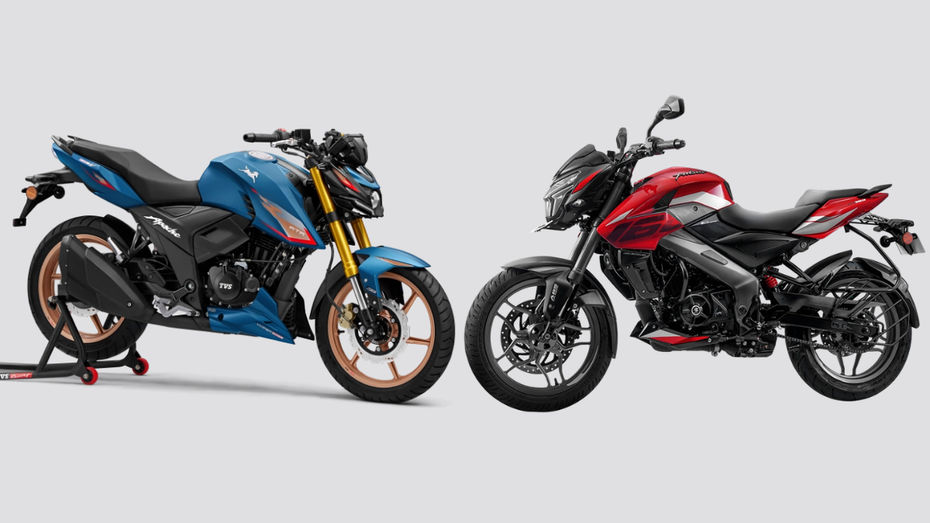
Very few motorcycles have gained the respect and popularity of the TVS Apache RTR 160 4V and the Bajaj Pulsar NS160 in India’s modern entry sports bike space. Whether it's the equipment, performance, handling, or features, both streetfighters compete head-to-head in every aspect. What makes them worlds apart, though, is their distinct personalities. If you’re planning to buy a 160cc motorcycle and are torn between these two, this detailed comparison will help you figure out which one suits your riding style better.
Price and Variants
|
TVS Apache RTR 160 4V |
Price (ex-showroom, Delhi) |
Bajaj Pulsar NS160 |
Price (ex-showroom, Delhi) |
|
RM Disc (Black Edition) |
Rs 1,19,890 |
||
|
Single Channel ABS |
Rs 1,26,890 |
NS160 SC |
Rs 1,26,301 |
|
Dual Channel ABS with USD |
Rs 1,32,740 |
NS160 DC USD |
Rs 1,34,685 |
|
USD with TFT |
Rs 1,39,440 |
||
|
TFT with Map Mirroring |
Rs 1,41,440 |
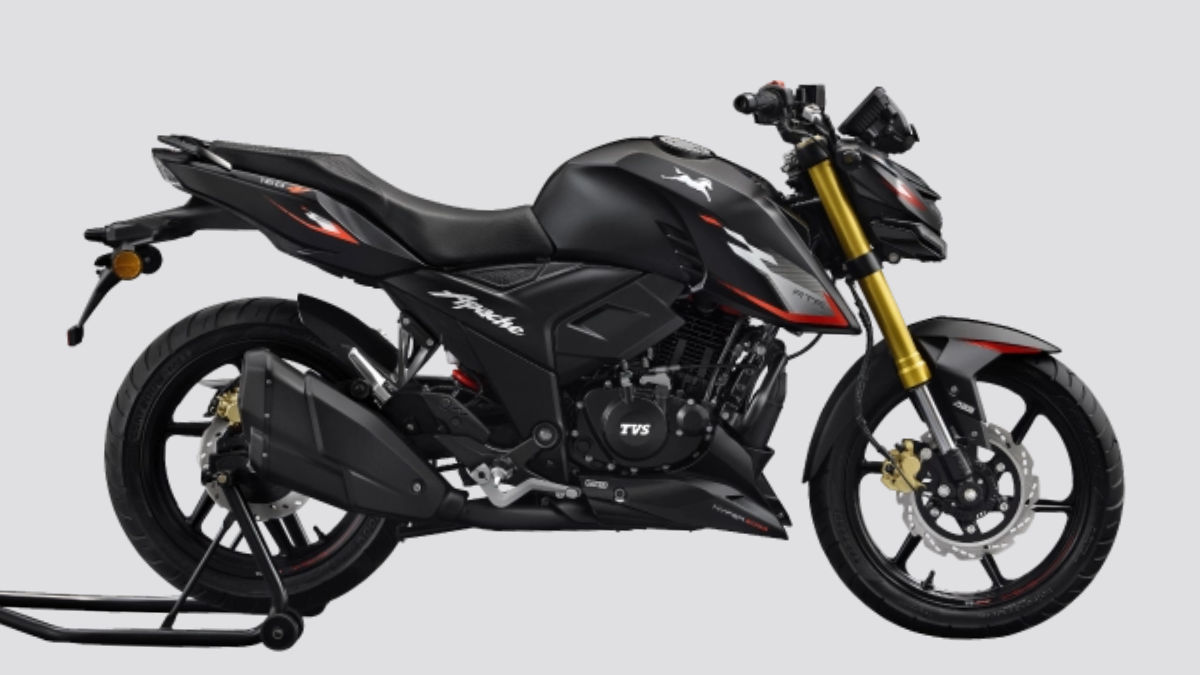
- The TVS Apache RTR 160 4V offers more variant options and has a more affordable entry point with the Black Edition. However, this special version misses the new projector headlamp, wide tyres and rear disc brake, along with some other features, and is available only in a single all-black colour option. So, we will be comparing its other variants with the Bajaj Pulsar NS160.
-
Both motorcycles are priced similarly at their single-channel ABS trims, while the RTR 160 4V costs about Rs 2,000 less than the NS160 for the higher dual-channel ABS-USD fork trims. Moreover, TVS also offers a more premium, feature-packed variant with a TFT screen for those willing to pay a little extra.
-
Both motorcycles come with a standard 5-year warranty, although the Pulsar NS160 offers a higher mileage limit of 75,000km as compared to the 60,000km cover of the RTR 160 4V.
Dimensions and Design
|
Specification |
TVS Apache RTR 160 4V |
Bajaj Pulsar NS160 |
Difference |
|
Length |
2,035mm |
2,017mm |
+18mm |
|
Width |
819mm |
804mm |
+15mm |
|
Height |
1,050mm |
1,060mm |
-10mm |
|
Wheelbase |
1,357mm |
1,372mm |
-15mm |
|
Ground Clearance |
180mm |
170mm |
+10mm |
|
Saddle/Seat Height |
800mm |
805mm |
-5mm |
|
Kerb Weight |
143kg (SC) / 146kg (DC USD & TFT) |
152kg |
-9kg/-6kg |
|
Fuel Tank |
12 litres |
12 litres |
Same |
- Both motorcycles are nearly identical in size. However, the TVS Apache RTR 160 4V has a slightly shorter wheelbase and is around 6–9kg lighter, which makes it feel sharper, more agile, and easier to manage in tight city streets.
-
The Bajaj Pulsar NS160, on the other hand, should feel more stable and surefooted at highway speeds, thanks to its extra heft and marginally extended wheelbase.
-
Despite a marginally lower seat height, the RTR 160 4V has a higher ground clearance, giving it an edge on broken roads.
-
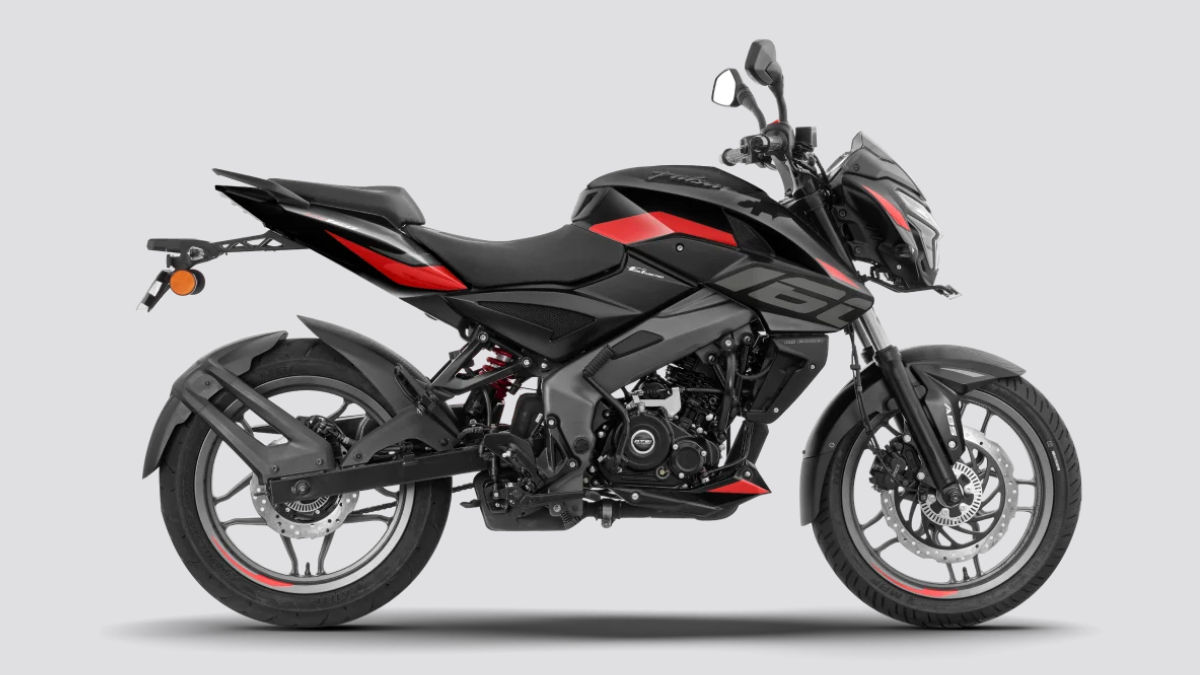
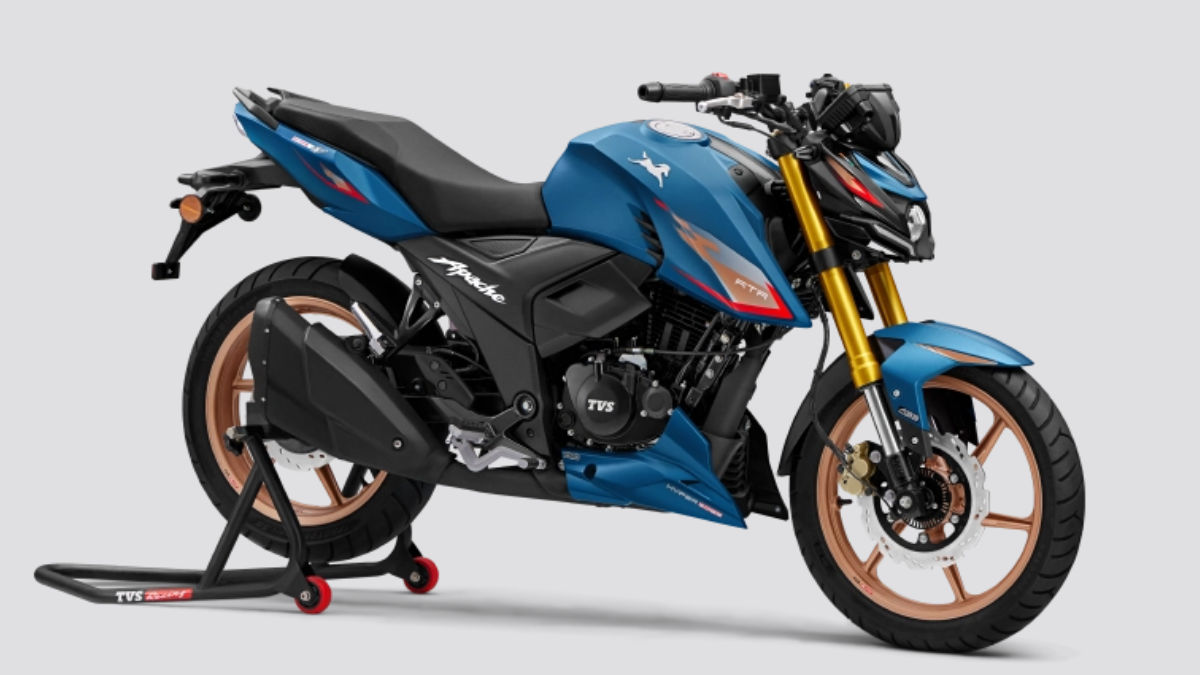
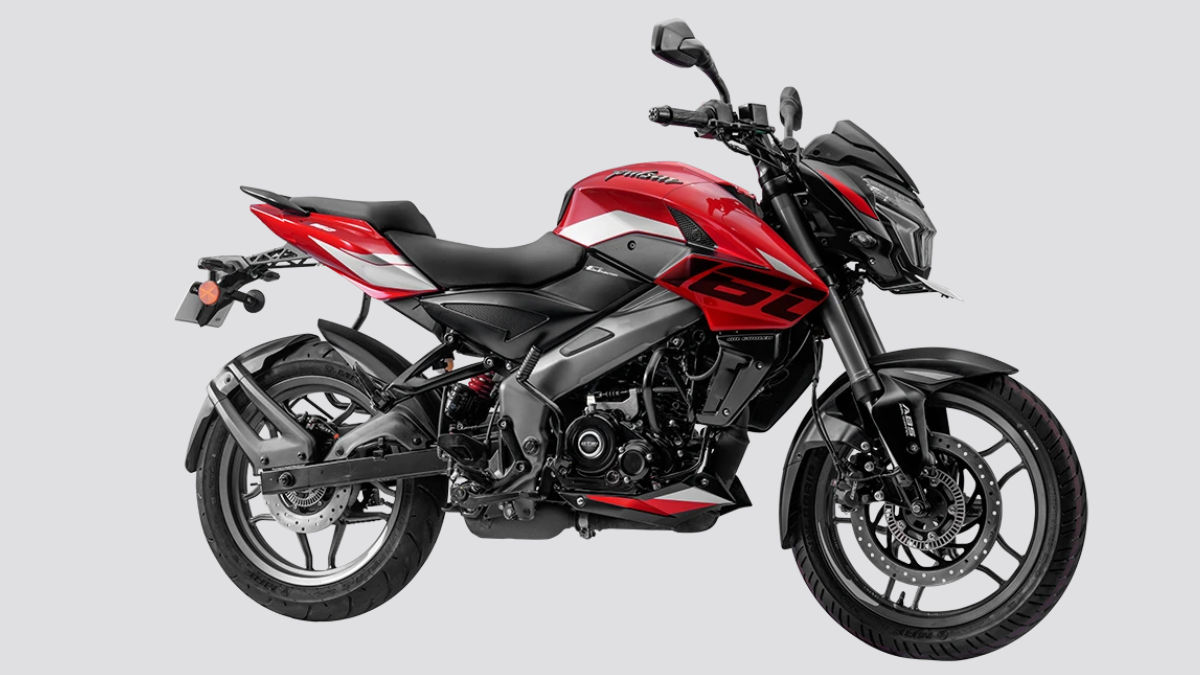
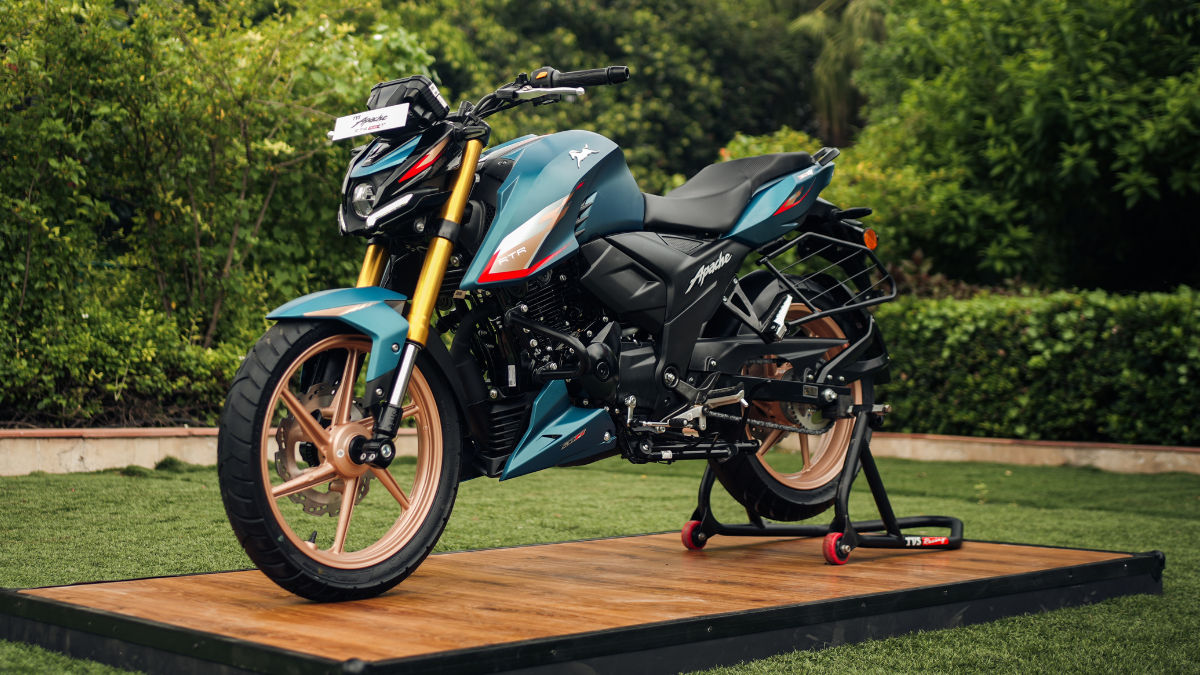
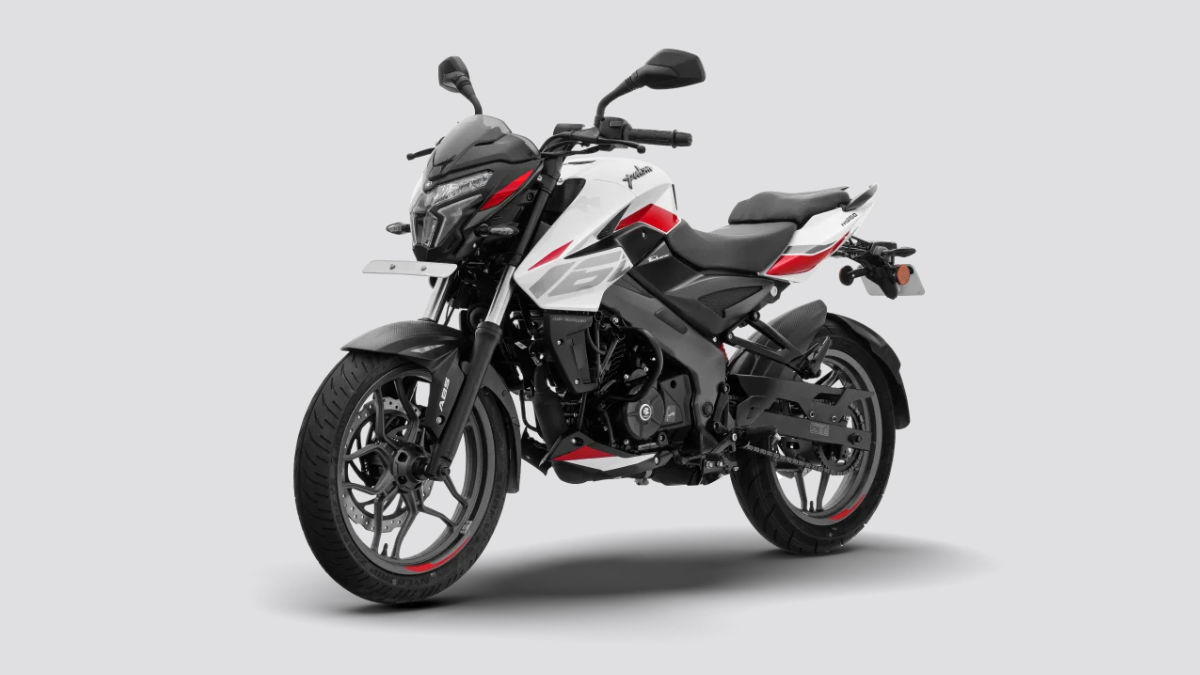
The two brands have distinctly different interpretations of the streetfighter genre, with their contrasting design languages setting these motorcycles clearly apart. The Apache leans into a more athletic styling. The Pulsar NS160, on the other hand, appears bolder and more masculine, thanks to its visual heft.
Ride and Handling
|
Specification |
TVS Apache RTR 160 4V |
Bajaj Pulsar NS160 |
|
Frame |
Double Cradle Frame |
Perimeter Frame |
|
Front Suspension |
Telescopic Fork (SC) / 37mm USD Fork (DC USD & TFT) |
Telescopic Fork (SC) / 37mm USD Fork (DC USD) |
|
Rear Suspension |
Showa floating piston Monoshock |
Nitrox Monoshock |
|
Front Tyre |
90/90-17, Tubeless |
100/80-17, Tubeless |
|
Rear Tyre |
130/70 R17, Tubeless (Radial) |
130/70-17, Tubeless |
|
Front Brake |
270mm Petal Disc |
300mm Disc |
|
Rear Brake |
240mm Petal Disc |
230mm Disc |
|
ABS |
Single Channel (SC) / Dual Channel with RLP (DC USD & TFT) |
Single Channel (SC) / Dual Channel (DC USD) |
- TVS’ Double Cradle Split SynchroStiff frame is a product of the brand’s years of racing experience. It makes the Apache RTR 160 4V light yet rigid under dynamic handling, a perfect quality for a sporty street bike.
-
Bajaj’s perimeter frame, on the other hand, has a more premium construction and is also derived from the technology used in high-end racing motorcycles. While it makes the Pulsar NS160 a bit heavier, it offers immensely confident high-speed stability.
-
The suspension setups on offer are broadly similar on both motorcycles, and are tuned to offer an optimum balance between comfort and confident dynamic handling. The RTR 160 4V, however, gets a slightly more premium floating piston rear monoshock by Showa.
-
Both have similar wheel and tyre sizes, but the RTR 160 4V gets a more premium radial rear tyre for more confident cornering grip.
-
The TVS Apache has a slightly larger rear brake disc, while the Bajaj Pulsar has a bigger one up front. However, thanks to the RTR’s petal brake discs, both have comparable stopping power.
-
Both motorcycles offer single- and dual-channel ABS, depending on the variant. The ABS system on both motorcycles adjusts its intervention according to the selected riding mode, except on the single-channel Pulsar NS160, which does not get riding modes.
-
TVS also bundles a rear-wheel lift-off protection (RLP) system with its dual-channel ABS trims, further boosting rider confidence during hard or panic braking.
Features and Technology
|
Specification |
TVS Apache RTR 160 4V |
Bajaj Pulsar NS160 |
|
Lighting |
All-LED |
All-LED |
|
Headlamp |
Class-D Projector with Signature LED DRLs |
H4 Blue Tinge with Signature LED DRLs |
|
Instrument Cluster |
Digital LCD (SC & DC USD) / 5-inch TFT (Top variant) |
Digi-Analogue (SC) / Digital LCD (DC USD) |
|
Smartphone Connectivity |
Bluetooth-based TVS SmartXonnect for turn-by-turn navigation, Race telemetry, and call/SMS alerts |
Bluetooth connectivity for turn-by-turn navigation, call/SMS alerts (DC USD variant only) |
|
Riding Modes |
Engine map & ABS-linked — Sport, Urban, Rain |
ABS-linked — Road, Rain, Off-road |
|
Traction Control |
Yes (USD with TFT variant only) |
— |
|
Adjustable Levers |
3-step, brake & clutch (DC USD & TFT variants) |
No |
|
Slipper Clutch |
Yes - Standard |
No |
|
Low-speed Assist |
Glide Through Technology (GTT) |
No |
- Both motorcycles feature all-LED lighting; however, the TVS Apache RTR 160 4V has a more powerful Class-D projector headlamp.
-
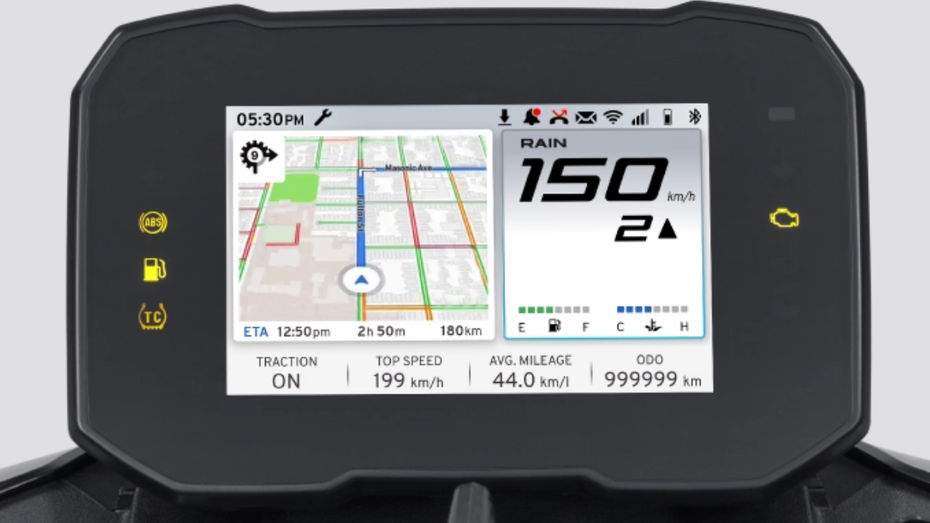
The Bajaj Pulsar NS160 gets a digi-analogue dash on the base trim, while the RTR 160 4V features a full LCD instrument cluster as standard and even offers a colour TFT screen on the top-spec trim.
-
TVS also offers smartphone connectivity and linked features, including navigation and alerts, as standard on the Apache, while Bajaj offers them only on the top-spec trim.
-
Both motorcycles offer three riding modes that adjust ABS intervention according to the selected riding conditions. However, the RTR 160 4V goes a step further, with its riding modes also altering engine power delivery to suit the conditions.
-
The Apache RTR 160 4V gets TVS’ Glide Through Tech as standard, allowing riders to crawl at low speeds in traffic with minimal clutch input.
-
TVS also offers a slipper clutch as standard across the trim range, adjustable levers in the upper range and even traction control in the top-spec variant, making it class apart. None of these rider-assistance features are available on the Pulsar NS160, even as optional extras.
-
The Apache RTR 160 4V is a clear winner here in tech and assistance features that can significantly reduce riders’ efforts and fatigue.
Engine and Performance
|
Specification |
TVS Apache RTR 160 4V |
Bajaj Pulsar NS160 |
|
Engine Type |
4-stroke, Single-cylinder, SOHC, 4-valve |
4-stroke, Single-cylinder, SOHC, 4-valve, Twin-spark |
|
Engine Cooling |
Air/Oil-cooled |
Air/Oil-cooled |
|
Displacement |
159.7cc |
160.3cc |
|
Fuel Supply |
Electronic Fuel Injection (EFI) |
Electronic Fuel Injection (EFI) |
|
Max Power |
Sport: 17.55 PS at 9,250 rpm / Urban & Rain: 15.64 PS at 8,650 rpm |
17 PS at 9,000 rpm |
|
Max Torque |
Sport: 14.73 Nm at 7,500 rpm / Urban & Rain: 14.14 Nm at 7,250 rpm |
14.6 Nm at 7,250 rpm |
|
Transmission |
5-Speed Gearbox |
5-Speed Gearbox |
|
Clutch |
Wet-Multiplate with Assist & Slipper function |
Wet-Multiplate |
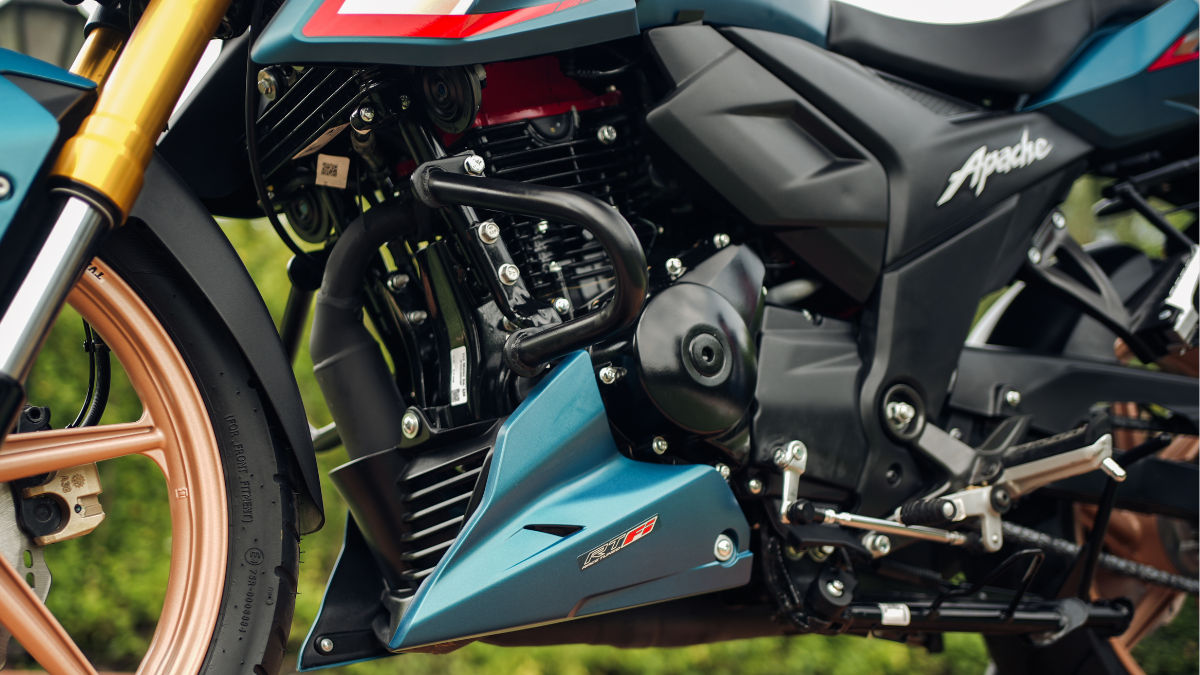
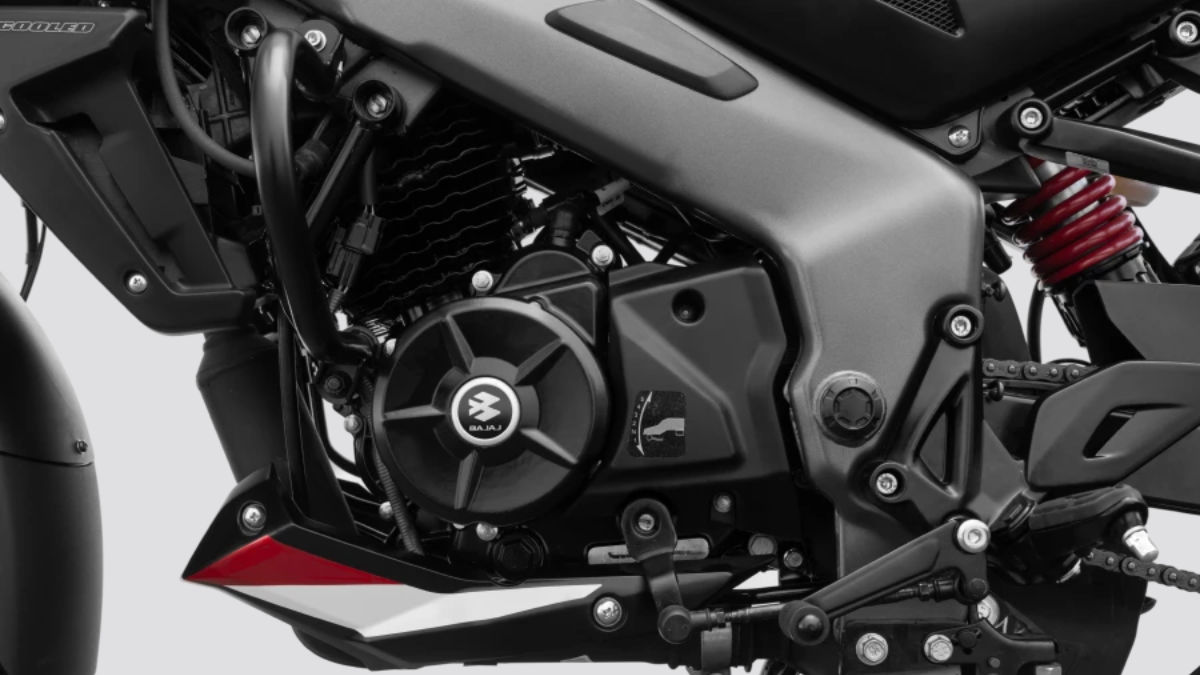
- The engines of both motorcycles share a broadly similar configuration and displacement, and both are tuned to be rev-happy. However, their tuning, transmission ratios and a few other factors make them feel a bit different.
-
The TVS Apache RTR 160 4V delivers marginally higher peak power and torque, at slightly higher engine speeds. But that, combined with lesser weight, makes it feel a bit quicker off the line than the Bajaj Pulsar NS160.
-
The RTR also gives the option to reduce the power output if required with its riding modes, which makes it safer to ride in varying conditions, especially if you are just upgrading from a 100-125cc commuter.
-
Both motorcycles get a five-speed gearbox with a wet multi-plate clutch assembly. The RTR, however, also features assist and slipper tech, allowing aggressive downshifting without locking the rear wheel.
Verdict
The TVS Apache RTR 160 4V clearly pulls ahead on outright tech and performance. With features like some truly working riding modes, traction control, adjustable levers, a connected TFT display, slipper clutch, Glide Through Technology, and more, it offers a more complete package for riders who want their 160cc streetfighter to feel like a scaled-down performance machine rather than just a capable commuter.
The Bajaj Pulsar NS160, on the other hand, remains a compelling, no-nonsense streetfighter. It may lag behind the RTR in terms of technology and features, but its more mature design and better highway stability give it a distinct advantage.
So, the choice depends first on which design looks more attractive to you, and next on whether you prefer better assist features and ease of riding, or high-speed stability above all else.
Comparisons With Other Rivals
-
The Hero Xtreme 160R 4V benefits from the country’s largest two-wheeler service network and also competes head-on with the TVS Apache RTR 160 4V in every aspect.
-
The Pulsar N160 is a more direct rival to the RTR 160 4V from Bajaj in terms of tech, features and performance.
-
The Honda SP160 counters with Honda's dependable build quality and a strong resale reputation, but it lacks the outright sporty hardware and connected features found on the Apache.
-
The Yamaha FZ-S Fi Hybrid leans into Yamaha's traditionally refined engine character and hybrid-assisted efficiency, though it sits a notch behind on outright performance figures compared with the Apache RTR 160 4V.
User Reviews
- jitni tareef utni kam hi haiBahot hi acha stylish bike hai. Kuch hi time me TVS number 1 pe ayega. Jitni tareef karu utni kam hi lagega. Mere dost ne buy ki thi jab, tab maine ride ki, main shock ho gaya, look bhi bahot badiya tha. Mera dil bik gaya yeh use karke, main pehle pulsar bike use kar raha tha, isko chalane ke bad main pulsar becha aur tvs khareeda.Read More
- Good bike for youngstersGood handling and medium breaking, medium performance for short time city and highway riding, good sharp stylish looking naked bike, good road presence, low service charge with medium mileage 30 to 40 kmpl. Long ride comfort is not good after 100km. Wrist pain and shoulder pain, good handling bike. It's give you confidence to flicker very easily. Front break is good stopping power but too much abs kicking problem, rear brake is not good, no stopping power. Top speed after 2nd service 124 highest, mileage not that good 40 km after simple riding. If you ride aggressively, mileage can drop upto 30-25 kmpl. Can recommend this bike to the youngsters who go to college and those who want to explore many places on bike. Short time riding and some time aggressive riding and those who want naked sports bike in low cc and low service charge bike, this is good for them.Read More