

Bajaj Pulsar NS400Z vs TVS Apache RTR 310: Detailed Comparison


There is a whopping Rs 45,000 price difference between the two streetfighters
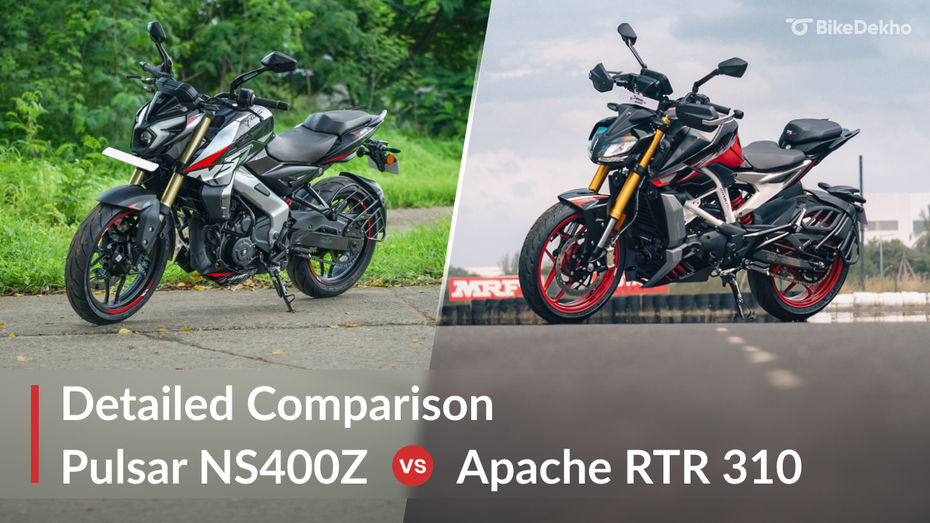
In India’s high-performance naked streetfighter space, the choices don’t remain limited to a high budget anymore. The Bajaj Pulsar NS400Z and the TVS Apache RTR 310 are two such examples that offer exciting performance and are available for under Rs 3 lakh. Both motorcycles offer aggressive styling and promise adrenaline-pumping fun, but target slightly different sets of riders. If you are confused between these two affordable performance bikes, this detailed comparison should help you find the most suitable one for your riding style.
Price & Variants
|
Bajaj Pulsar NS400Z |
Ex-showroom Price (Delhi) |
TVS Apache RTR 310 |
Ex-showroom Price (Delhi) |
|
Standard |
Rs 1.80 lakh |
Base without QuickShifter |
Rs 2.25 lakh |
|
Arsenal Black/Fury Yellow Base |
Rs 2.42 lakh |
||
|
Fiery Red Base |
Rs 2.47 lakh |
||
|
Glossy Black |
Rs 2.90 lakh |
||
|
Limited Anniversary Edition |
Rs 2.90 lakh |
||
-
The Bajaj Pulsar NS400Z enjoys a massive price advantage of nearly Rs 45,000 over the base Apache RTR 310, and this advantage goes to over Rs 1.1 lakh if you pick the top-spec TVS.
-
The NS400Z is available in a single fully loaded variant, while the RTR 310 comes in multiple trim options based on colour and features.
-
TVS also offers a wider range of customisation packages for its base variants, including TVS Racing-inspired Sepang Blue colour scheme for Rs 13,800, a Dynamic Kit for Rs 15,100 and a Dynamic Pro Kit for Rs 24,300, under its BTO (Built-To-Order) option.
Dimensions & Design
|
Specification |
Bajaj Pulsar NS400Z |
TVS Apache RTR 310 |
|
Length |
1,990mm |
1,991mm |
|
Width |
846mm |
831mm |
|
Height |
1,057mm |
1,154mm |
|
Seat Height |
805mm |
800mm |
|
Ground Clearance |
165mm |
180mm |
|
Kerb Weight |
176kg |
169kg |
|
Fuel Tank Capacity |
12 litres |
11 litres |
|
Wheelbase |
1,346mm |
1,358mm |
-
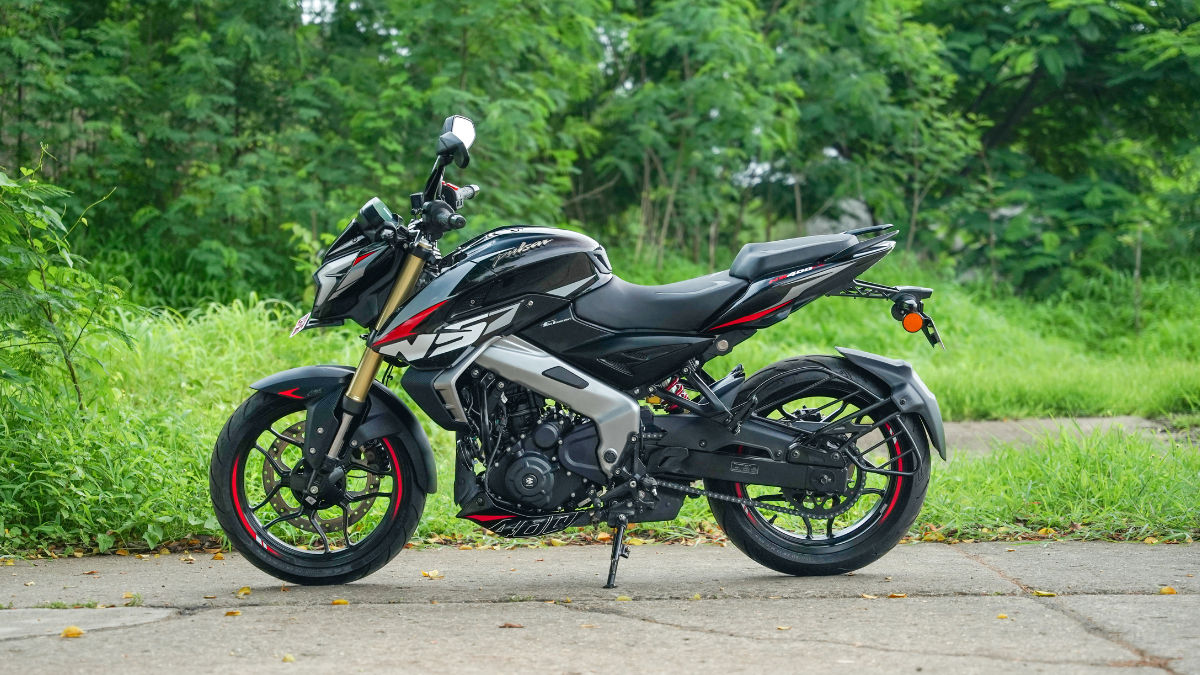
Though the TVS Apache RTR 310 measures slightly taller, both motorcycles appear more or less similar in terms of size.
-
The RTR 310 is about 8kg lighter and comes with 15mm more ground clearance, despite its slightly lower seat height. That makes it more versatile, accessible and easier to manage.
-
The Bajaj Pulsar NS400Z, too, has an accessible seat height. Plus, it gets a slightly larger fuel tank, extending the range a bit.
-
Both motorcycles have a short wheelbase, making them very flickable and agile.
-
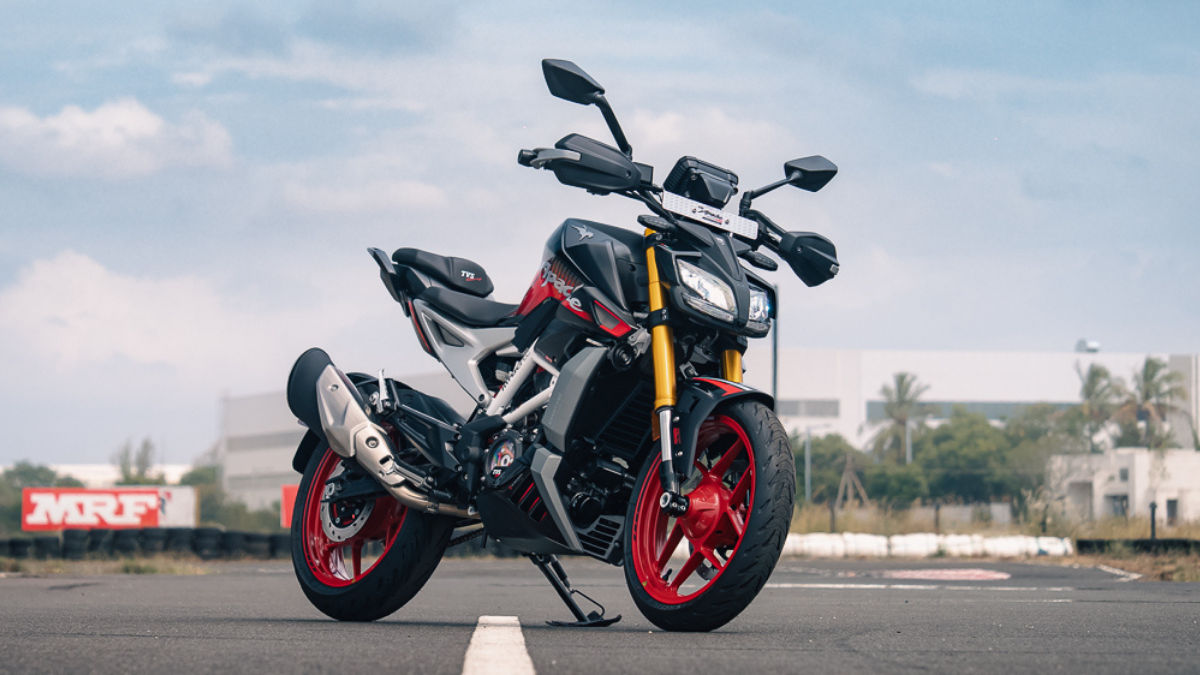
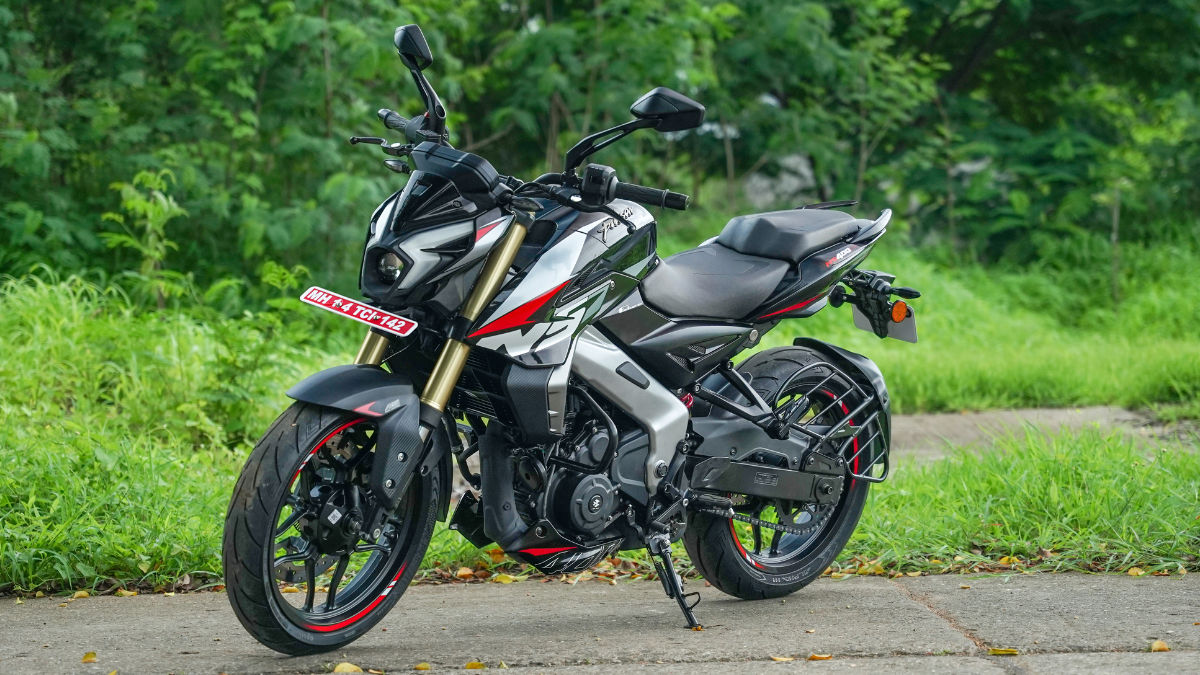
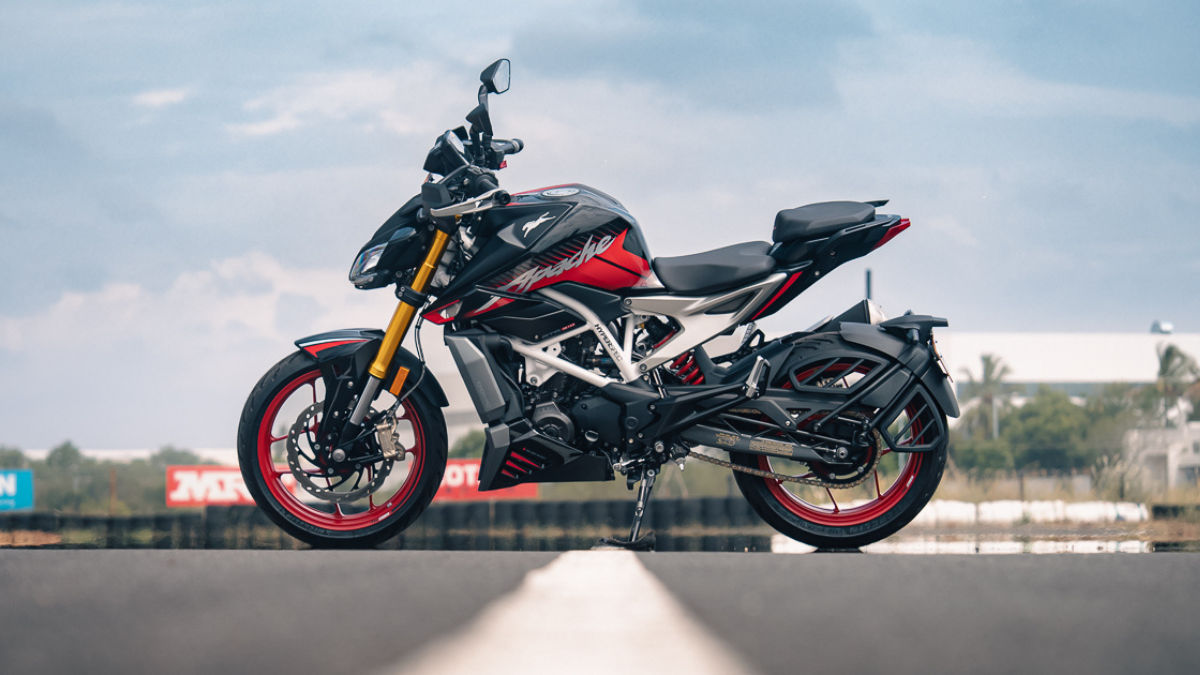
The two bikes couldn’t be more different when it comes to appearance. The NS400Z follows the familiar Pulsar streetfighter formula, while it looks far more radical.
-
Except for the masculine fuel tank with extensions and Z-shaped signature DRLs, the Pulsar looks pretty straightforward and simple. Meanwhile, the Apache has a sharper, bigger-bike look with an exposed trellis frame, split headlamp, and a minimal tail section.
Ride & Handling
|
Specification |
Bajaj Pulsar NS400Z |
TVS Apache RTR 310 |
|
Frame |
Perimeter Frame |
Hybrid Trellis Frame |
|
Front Suspension |
43mm USD Fork |
43mm USD Fork |
|
Rear Suspension |
Monoshock with Nitrox, 6-step adjustable |
Preload-adjustable Monoshock |
|
Front Brake |
320mm Disc, ABS |
300mm Disc, ABS |
|
Rear Brake |
230mm Disc, ABS |
240mm Disc, ABS |
|
Front Tyre |
110/70-R17 Tubeless |
110/70-R17 Tubeless |
|
Rear Tyre |
150/60-R17 Tubeless |
150/60-R17 Tubeless |
-
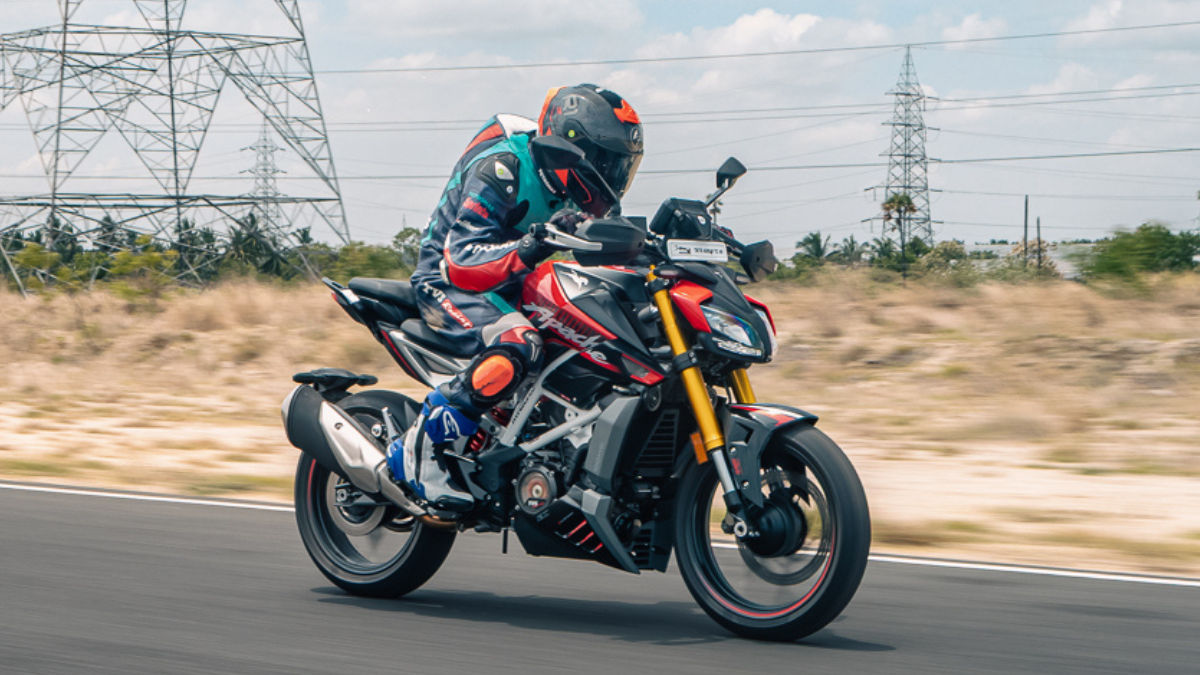
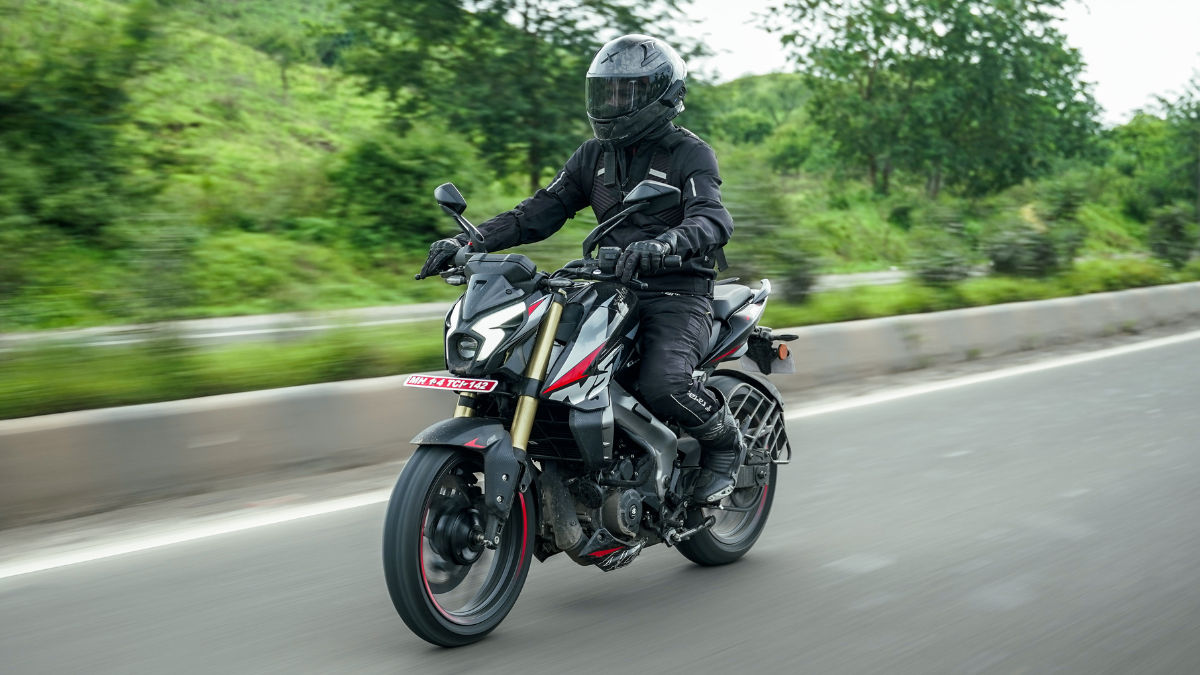
While both motorcycles are built on highly rigid race-derived frames, the Apache’s trellis frame should feel slightly stiffer than the Pulsar’s perimeter frame.
-
Both motorcycles have a similar kind of suspension setup. However, RTR 310’s equipment is slightly more sophisticated and premium. Plus, its top-spec variants also offer adjustable preload, compression, and rebound damping for both front and rear suspension.
-
In base stock trims, the Pulsar NS400Z feels slightly forgiving, while you may find the Apache leaning a bit towards the stiffer side.
-
The NS400Z comes with a larger front brake disc, while the RTR 310 compensates with a larger rear one. Both motorcycles offer sharp braking performance with decent feedback and progression.
-
Both motorcycles have similar-sized wheels and chunky tyres. However, the RTR gets premium rubber, resulting in extra grip.
Features & Technology
|
Feature |
Bajaj Pulsar NS400Z |
TVS Apache RTR 310 |
|
Headlamp |
Bi-functional LED Projector |
Dynamic Dual-LED, Adjustable |
|
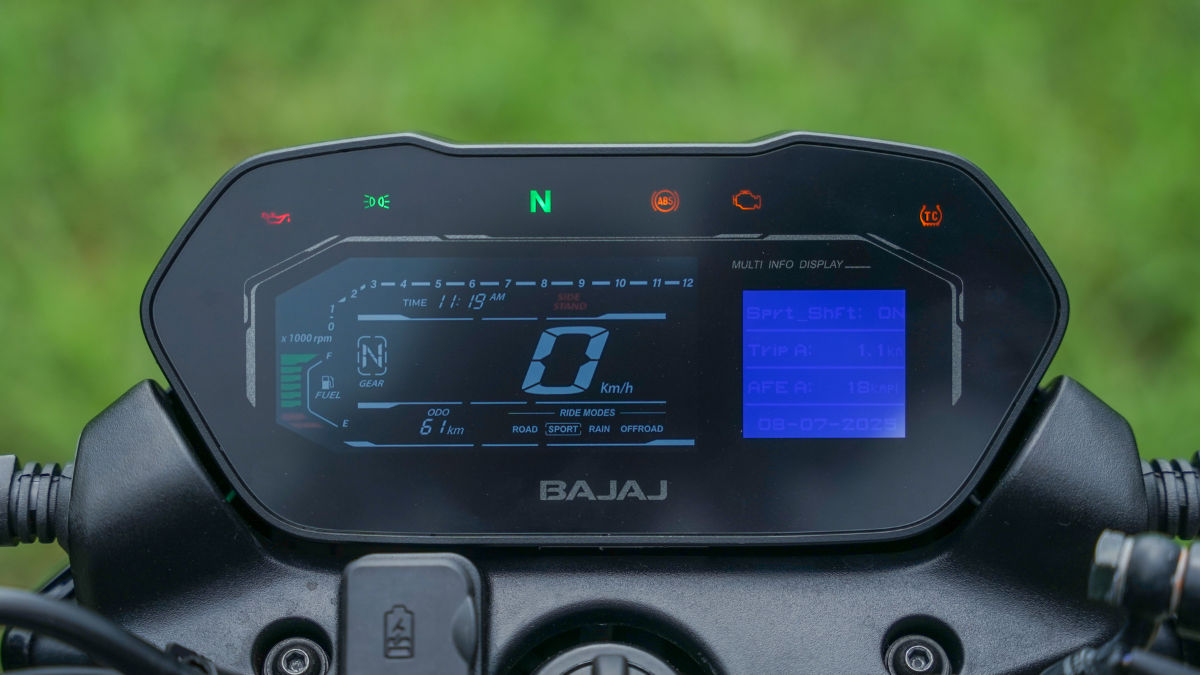
Console Display |
Digital LCD |
5-inch Colour-TFT |
|
Connectivity |
Bluetooth |
Bluetooth |
|
Connected Features |
Navigation, Call/Message Alerts, Music Control |
Navigation, Call/Message management with auto reply, Music Control, Digital Documents Storage, Crash Alert, GoPro Control, and more. |
|
Ride Modes |
Road, Rain, Sport, Off-road |
Track, Sport, Urban, Rain, Supermoto |
|
Traction Control |
Yes (Switchable) |
Yes (Cornering) |
|
ABS |
Dual-channel |
Dual-channel (Supermoto) |
|
Quickshifter |
Sensorless, Sport shift |
Bi-directional |
|
Cruise Control |
No |
Electronic Cruise Control + Glide Through Traffic (GTT) |
|
Brake & Clutch Levers |
Adjustable |
Adjustable |
|
Factory Customisation |
No |
Yes |
|
Fully-adjustable Front & Rear Suspension |
No |
Only on Top-Spec and BTO-Dynamic Kit |
|
Tyre Pressure Monitoring System (TPMS) |
No |
Only on Top-Spec and BTO-Dynamic Kit |
|
Keyless Ignition |
No |
Only on Top-Spec and BTO-Dynamic Pro Kit |
|
Dynamic Stability Control (DSC) |
No |
Only on Top-Spec and BTO-Dynamic Pro Kit |
-
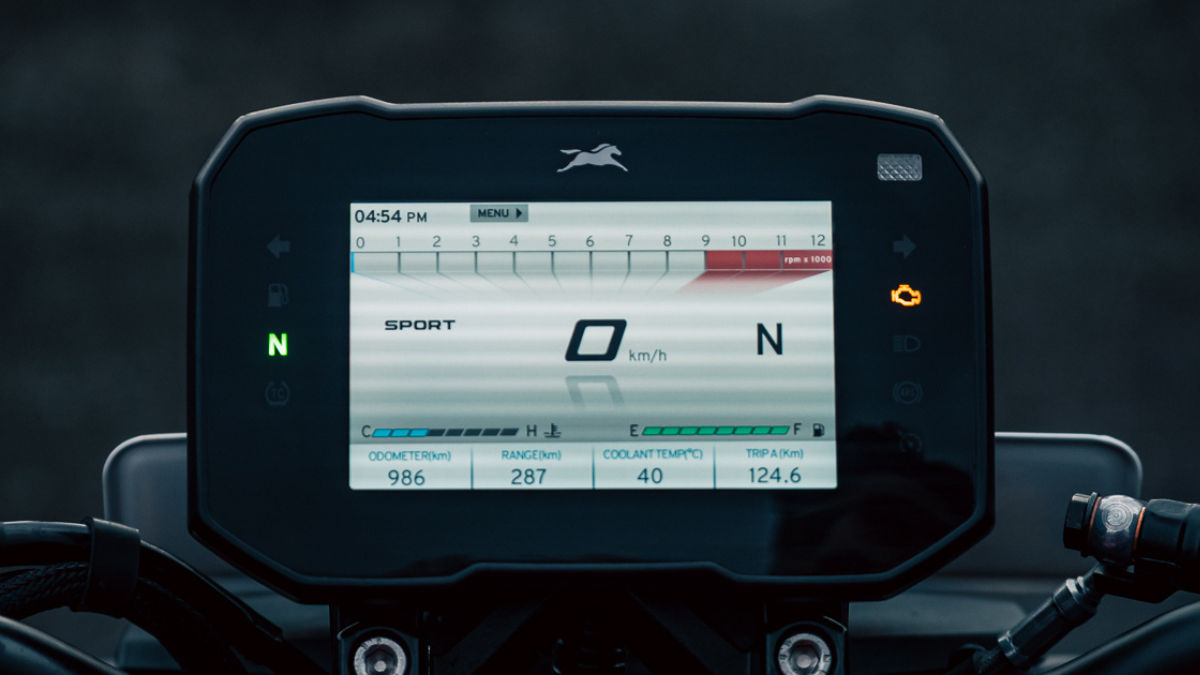
The TVS Apache RTR 310 clearly wins the technology battle with its premium TFT colour display and richer connected features package.
-
The Bajaj Pulsar NS400Z offers an impressive equipment list for its asking price, including Bluetooth connectivity, quickshifter functionality, ride-by-wire, switchable ABS and four riding modes. However, more premium ride-assist features on the RTR 310, including cruise control, multiple ride modes and advanced electronic intervention, make it much safer to handle the performance.
-
Moreover, the top-spec variants and the BTO kit bring a fully-adjustable suspension setup, TPMS, brass-coated drive chain, keyless ignition and DSC (including cornering ABS, launch control, drag torque control, cornering traction control, wheelie control, slope-dependent control, rear lift-off control, and cornering cruise control), features earlier seen only in superbikes.
Engine & Performance
|
Specification |
Bajaj Pulsar NS400Z |
TVS Apache RTR 310 |
|
Engine Type |
Single-cylinder, 4-valve, DOHC |
Single-cylinder, 4-valve, DOHC |
|
Cooling |
Liquid-cooled |
Liquid-cooled |
|
Displacement |
349.13cc |
312.12cc |
|
Fuel Supply |
Electronic Fuel Injection (EFI) |
Closed loop EFI |
|
Throttle Control |
Electronic Ride-by-wire tech |
Electronic Ride-by-wire tech |
|
Maximum Power |
40.6PS at 9,000rpm |
35.6PS at 9,700rpm |
|
Maximum Torque |
33.2Nm at 7,500rpm |
28.7Nm at 6,650rpm |
|
Power-to-weight Ratio |
230.3 PS/Ton |
204 PS/Ton |
|
Gearbox |
6-speed |
6-speed |
|
Clutch |
Assist & Slipper |
Race-Tuned (RT) Slipper Clutch |
-
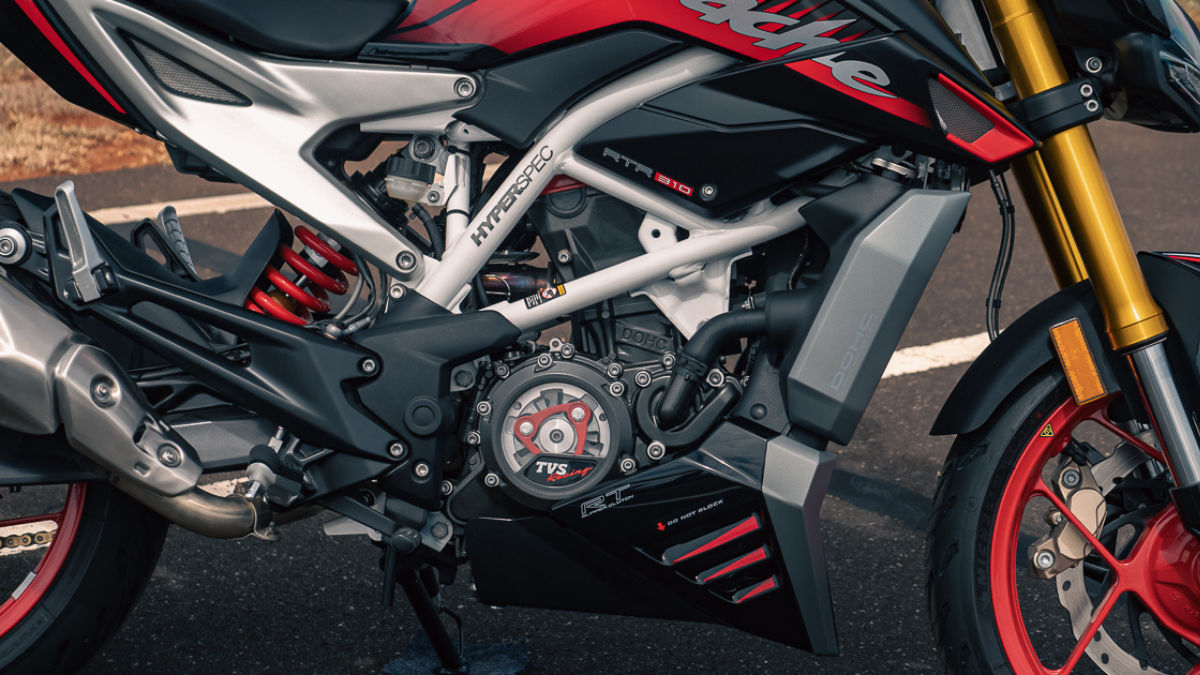
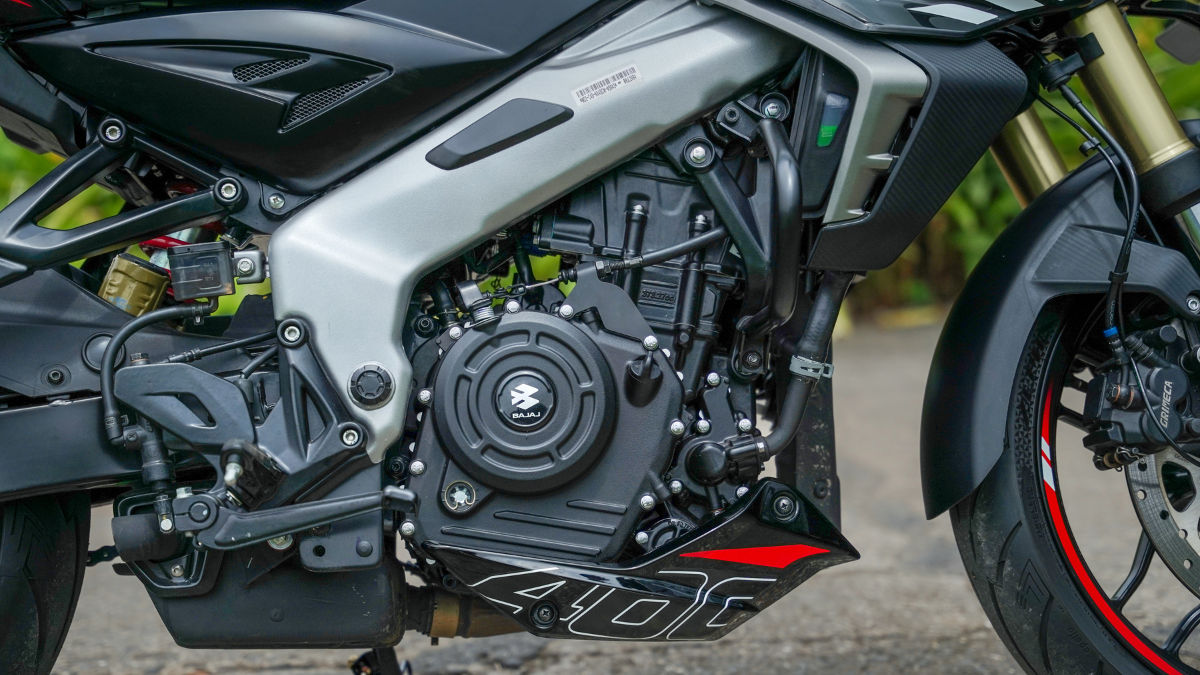
The Bajaj Pulsar NS400Z enjoys a clear advantage in engine capacity, power and torque output.
-
Despite being slightly heavier, the better power-to-weight ratio makes the Pulsar a bit quicker and faster than the TVS Apache RTR 310.
-
Both motorcycles feel rev-happy and quite responsive in terms of throttle feedback, and both get slick gearboxes with assist and slipper clutch for smooth shifting.
BikeDekho Says
The Bajaj Pulsar NS400Z delivers the highest performance per rupee of any motorcycle currently available in the Indian market. Plus, a decent set of electronics and usable features make it a strong value-for-money performance machine, too. It may not have the Apache-level sophistication, but for someone who is budget-conscious but loves raw power, it is arguably the best pick.
The TVS Apache RTR, meanwhile, feels more premium and suave, not just by its looks but its intent as well. It brings a more advanced set of equipment, along with features and electronics that were seen only on some high-end motorcycles. Though it makes a little less power and torque, it feels sharper and more precise in terms of dynamic capabilities.
Choosing between the two clearly comes down to whether you just want higher performance at lower cost, or you prefer to spend a little more to own a precision tool that puts a wide grin on your face whenever you throw it in a corner.
Other Rivals
User Reviews
- best bike the yearThe Pulsar NS400Z is a powerful and sporty motorcycle with excellent performance, aggressive styling and great road presence. It has 400cc engine offers strong acceleration, while the comfortable riding position makes it enjoyable for daily rides, highway trips and long journeys. and comfort is really good, best vehcile of the year.Read More
- When you ride thia bike you shall feel like a racer .this bike is so good . I mostly like the design of this bike and so comfortable . The power of this bike is awesome . The overall style I like most . When you ride this bike you shall feel like a racer . There is ventilated seat in this bike and Digital instrument cluster also . You can go long drive with this bike and it is a TVS bike so don't judge this bike . Ride this bike like a racer .Read More