

2026 Bajaj Pulsar 150 Variants Explained


While all three variants share the exact same engine, the differences in features are substantial
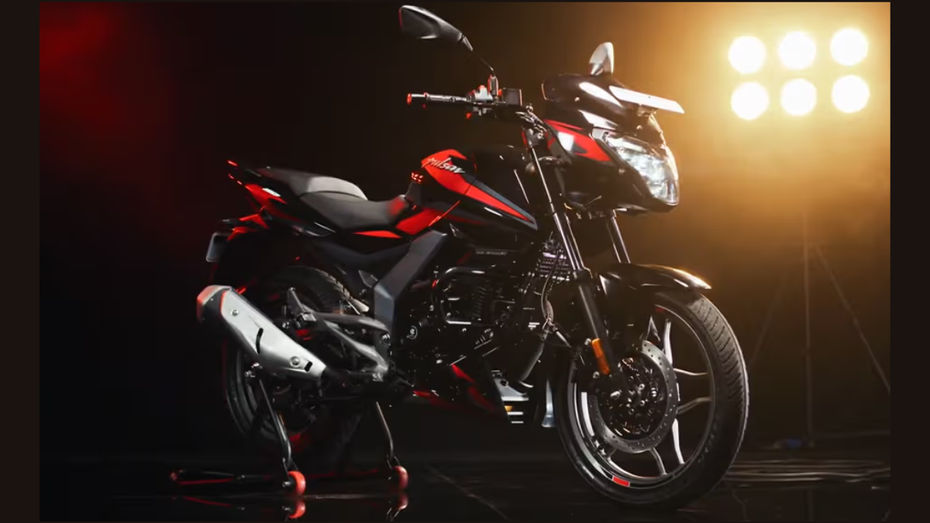
Bajaj launched the new generation 2026 Pulsar 150 on 24th August 2026, marking the Pulsar 150’s biggest generational update. Bajaj sells this in three variants: a Single Disc (SD) base bike, and two Twin Disc (TD) variants split by seat type. You get to see quite a lot of newly added features in all of its variants.
Here's a side-by-side look at what changes across the range:
New Pulsar 150 Variants: What’s Different?
|
Feature |
SD Single Seat |
TD Single Seat |
TD Split Seat |
|
Price (ex-showroom, Delhi) |
Rs 1,15,233 |
Rs 1,22,184 |
Rs 1,23,187 |
|
Front Brake |
260mm disc |
260mm disc |
260mm disc |
|
Rear Brake |
130mm drum |
230mm disc |
230mm disc |
|
Console |
5-inch colour LCD, BT + navigation |
5-inch TFT, BT |
5-inch TFT with Google Maps |
|
LED Indicators |
No (bulb) |
Yes |
Yes |
|
Hazard Lights |
No |
Yes |
Yes |
|
Silent-start System |
No |
Yes |
Yes |
|
Belly Pan |
No |
Yes |
Yes |
|
Seat Type |
Single-piece |
Single-piece |
Split |
The disc should offer more consistent stopping power, especially when riding two-up or braking hard in traffic. As for the TFT screen on the higher variants adds a more premium feel compared to the colour LCD.
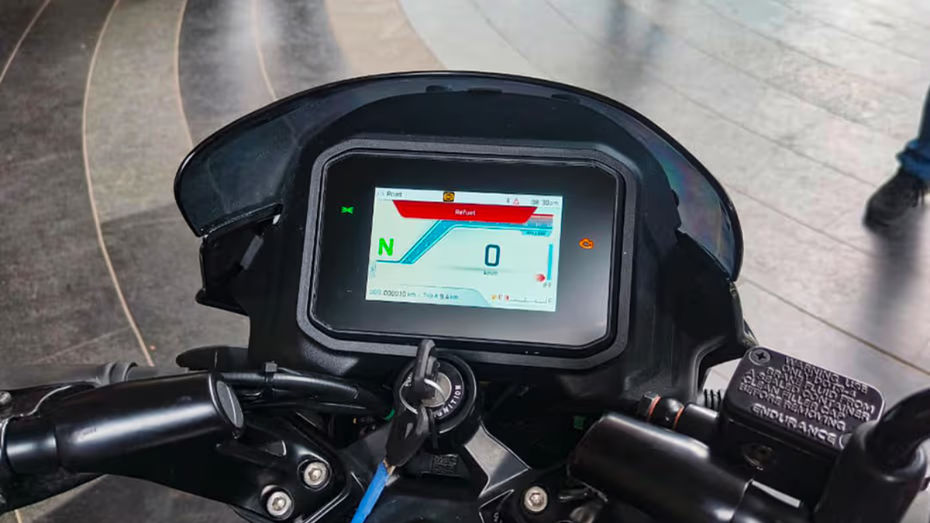
More importantly, the TFT console gets Google Maps mirroring, which eliminates the need to mount your phone. It’s much more user-friendly compared to the turn-by-turn navigation on the LCD console. The base variant also loses out on certain goodies, including LED indicators, hazard lights, and a silent starter. That said, hazard lights should’ve been standard across all variants.
What Stays The Same
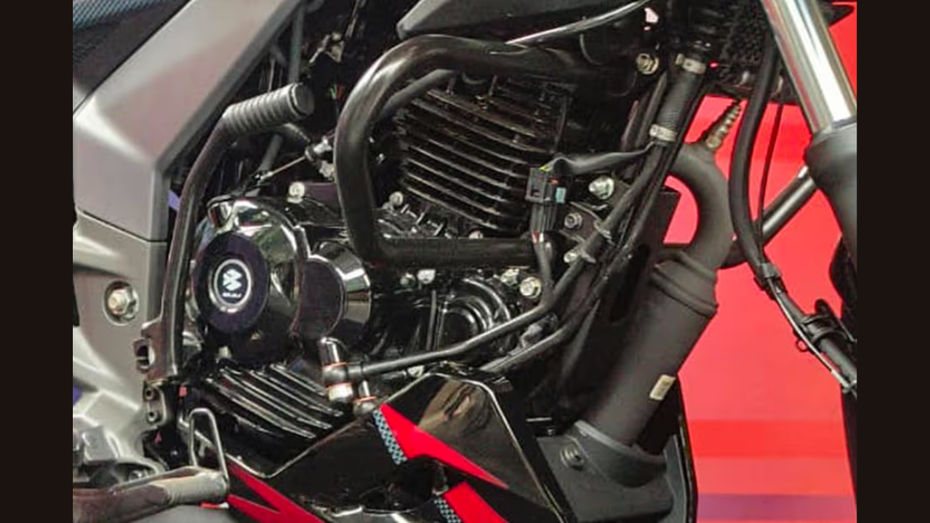
The similarities between these variants are quite obvious by their names. All three variants run the same all-new air-oil-cooled 149.5cc engine, making 14PS at 8000rpm and 14.1Nm at 6500rpm, so performance shouldn't differ regardless of which trim you pick. ABS stays single-channel across the board too; none of the variants get a dual-channel setup. The 33mm fork with 125mm suspension travel, and the rear monoshock with 110mm of suspension travel are shared across the range. Even the USB-C charging, the low-speed crawl-assist function, and all three ride modes, Road, Rain, and Sport, are common across all variants.
Which One To Buy
You’ll have to look at the new Pulsar 150’s variant lineup this way: two primary variants - one with lots of features, and the other that’s a little dialed down. If you’re on a tight budget, then going for the base variant makes sense, as it still gets all the critical features that make a difference on a daily basis: navigation, low-rpm assist and riding modes. But if you have the bandwidth to spend just around Rs 7,000 more, you may go for the higher variants - either in a single-piece seat or split seat depending on your usage. We’d recommend going for the higher variant as, in EMI terms, the premium over the base variant will not pinch as much.