

PM eDrive Subsidy Likely To End On Electric Scooters And Bikes In 2026


The deadline has been set for 31 March 2026, as of now
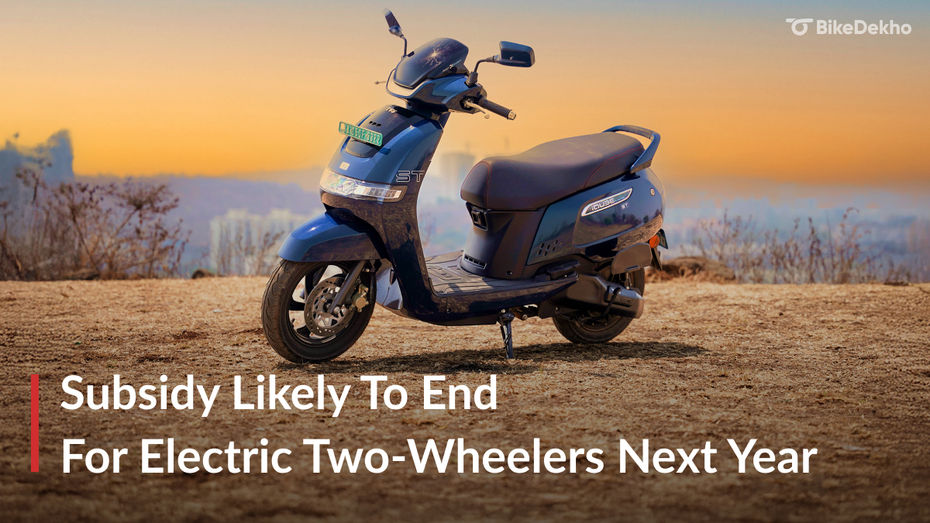
Quick News Highlights:
-
Prices may rise by around Rs 5,000 – not that big of an increase for buyers
-
Electric two-wheelers make up less than 10% of India’s two-wheeler market
-
The government might look into other ways of encouraging EV purchases over petrol-powered two-wheelers
It’s reported that the central government may not extend subsidies for electric two-wheelers and three-wheelers beyond March 2026. Electric two-wheelers still reportedly make up less than 10% of India’s two-wheeler market, despite all the push with FAME 1, FAME 2 and then PM e-Drive subsidies.
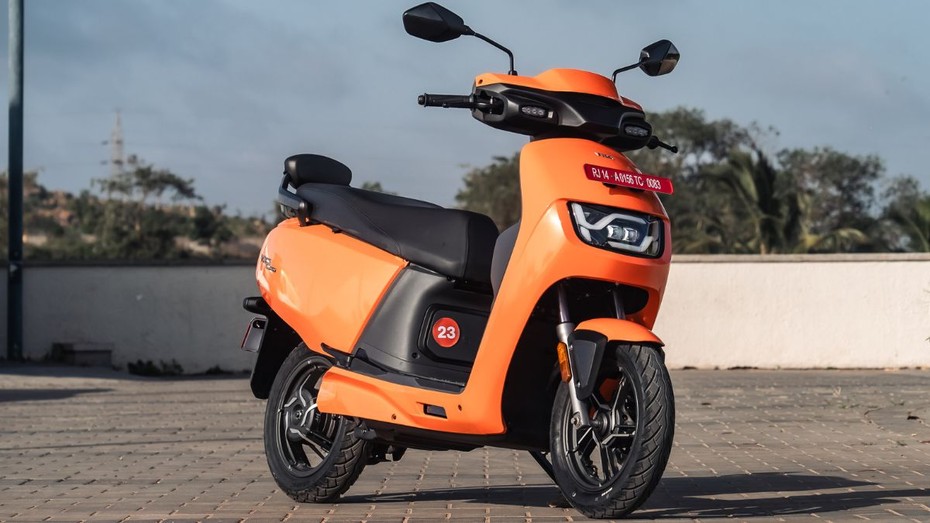
Why Is The Subsidy Ending?
According to the government and NITI (National Institution for Transforming India) Aayog, they have spent over Rs 40,000 crore on EV incentives in the past decade. They argue that further growth should now come through better policies, regulations, and market forces – not subsidies.
One of the reasons for low EV penetration in the recent past could also be the impact of GST 2.0. With the recent reduction of GST on two-wheelers with engines less than 350cc, there has been a surge in buying affordable two-wheelers, whereas GST on EVs still remained unchanged at 5%.
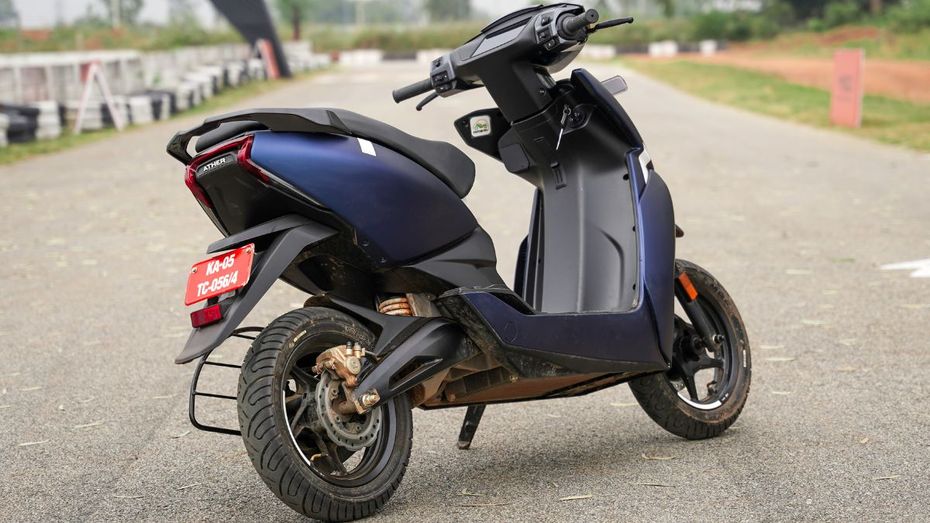
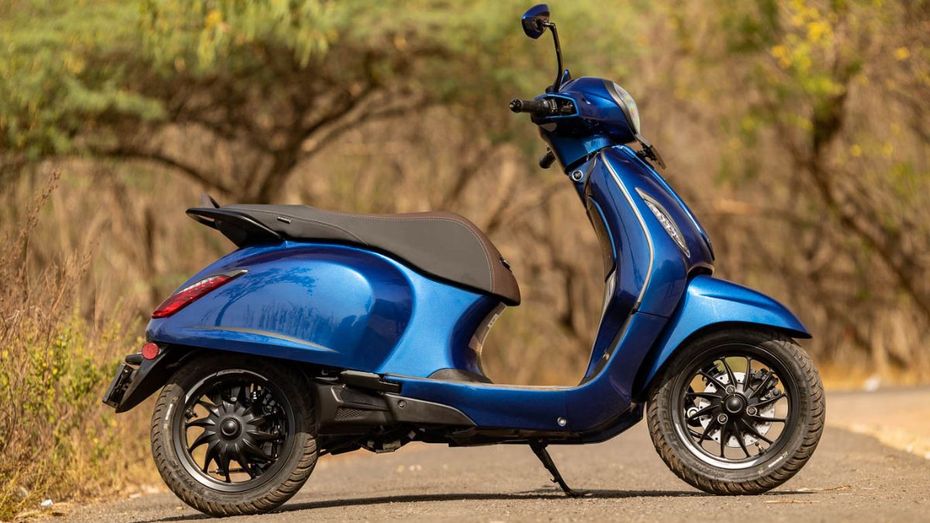
Sure, the e-scooter segment in itself is witnessing a big change with a few legacy brands such as Bajaj Chetak, Hero’s Vida, and TVS climbing the ranks. But, the overall EV penetration still gets eclipsed by huge demand for affordable bikes that ensure great mileage (read 100-125cc petrol-powered two-wheelers).
Impact On Buyers
Earlier, the FAME I and FAME 2 schemes gave considerable subsidies, they were aimed at helping in faster adoption of EVs across the country. Over time though, with each passing year – they were gradually reduced, and ended back in March 2024. This was followed up by the Electric Mobility Promotion Scheme (EMPS) till March 2025, which was then subsequently replaced by the current PM e-Drive policy.
At the moment, the PM e-Drive scheme caps subsidies at Rs 5,000 for electric two-wheelers, and for more affordable EVs with smaller battery packs, the subsidy will be even lower. So even if you take the upper limit, the eventual Rs 5,000 price hike after the subsidy ending will not really be a deal-breaker for customers.
That said, manufacturers are also making constant efforts to optimize costs, so overall, the price bump may not be substantial enough to trigger any sort of drop in demand. Considering lower running and maintenance costs, electric two-wheelers still make financial sense in the long run.
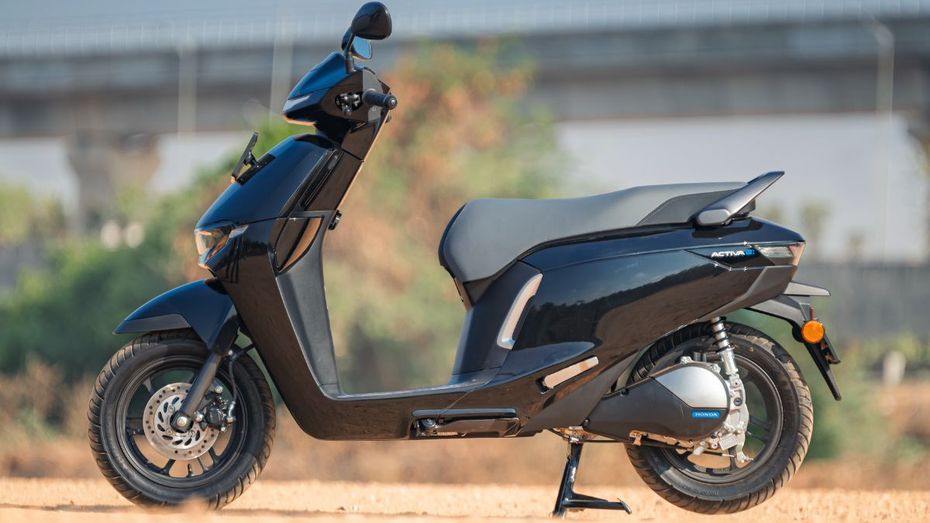
It's also reported that many Indian electric bike and scooter makers have urged the government to continue support for a few more years, stating the adoption rate is still low. Some fear sales could slow temporarily once the subsidy ends. The focus now will be on cheaper batteries, better charging infrastructure, and more priority on range.
The message is simple: buying an electric scooter on or before 31 March 2026 could save you around Rs 5,000 — but even after that, the extra cost isn’t likely to force you to reconsider your purchasing decision.
Source
