

Petrol Two-Wheelers To Be Banned From 2028 In Delhi: Says New Government Proposal


The capital city could go EV-only pretty soon
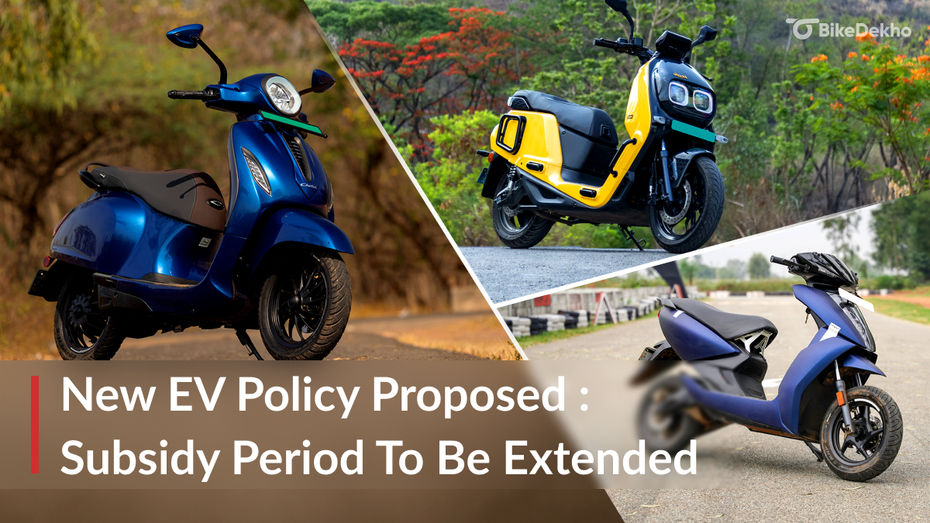
Quick News Highlights:
-
New petrol two-wheeler registrations may stop in Delhi from April 2028
-
Electric two-wheelers to get subsidies up to Rs 30,000
-
Complete exemption for road tax and registration fee proposed
The draft of the Delhi EV Policy 2026-2030 puts two-wheelers at the centre of its clean mobility push. With clear deadlines, financial incentives, and cost benefits, the policy is designed to shift most buyers from petrol to electric scooters and bikes within the next few years.
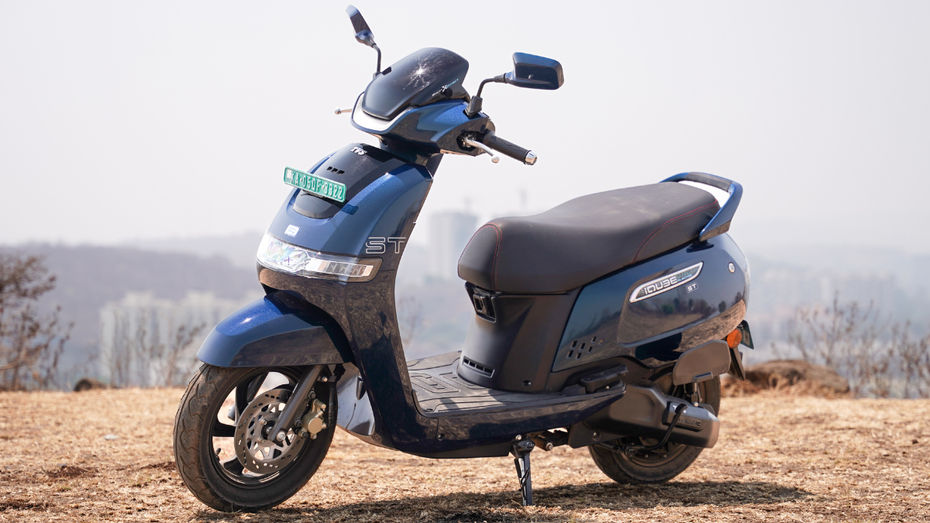
Petrol Two-Wheelers May Be Phased Out
The biggest change is a proposed deadline of April 1, 2028, after which new petrol-powered two-wheelers may no longer be registered in Delhi. This means all new scooter and bike buyers will have to choose electric bikes and scooters after this date.
Fleet operators will have earlier deadlines. No new petrol two-wheelers can be added and BS6 models allowed only until December 31, 2026. However, to ease this transition and to ease adoption of electric two-wheelers, a few incentives are proposed as well.
Subsidies Linked To Battery Size
Electric bikes and scooters will receive incentives based on battery capacity, but these benefits will reduce each year. These slabs will be calculated from the official notification date, not calendar years. And, to qualify, the ex-factory price of the electric two-wheeler must not exceed Rs 2.25 lakh.
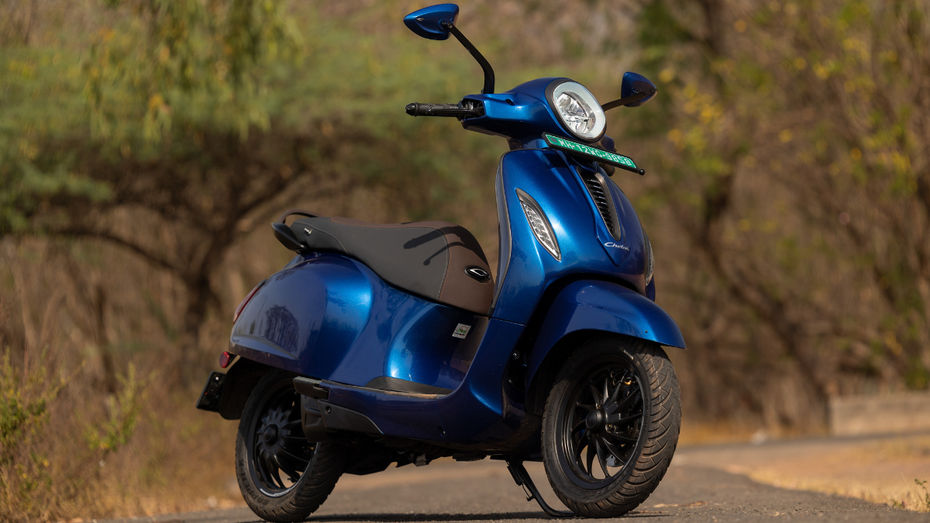
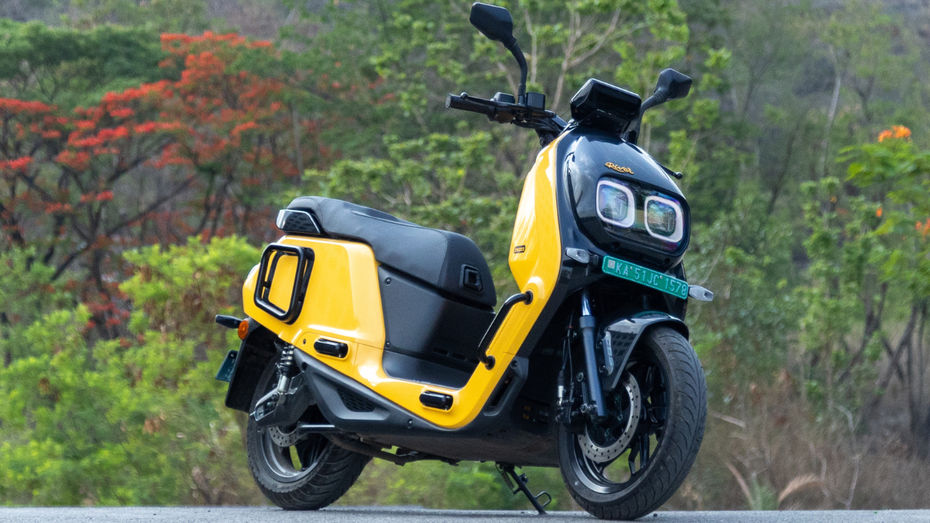
In the first year, buyers can get a subsidy of Rs 10,000 per kWh, capped at Rs 30,000. In the second year, this drops to Rs 6,600 per kWh (up to Rs 20,000). By the third year, the subsidy falls further to Rs 3,300 per kWh, with a maximum of Rs 10,000. So the TVS iQube, Bajaj Chetak, Ather Rizta, Vida VX2, River Indie, and almost all mass-market e-scooters will fall under this bracket.
More Benefits
Buyers of electric two-wheelers are expected to benefit from a full waiver on road tax and registration charges. This reduces the upfront cost significantly compared to petrol vehicles. The policy also proposes a scrappage incentive of around Rs 10,000 for those replacing an old petrol two-wheeler with an electric one.
This is aimed at removing older, more polluting vehicles from the roads. The old vehicle must be a Delhi-registered BS4 or older model, and the new EV must be purchased within six months of receiving the scrappage certificate.
BikeDekho Says
Since subsidies decrease each year and a ban is planned for 2028, the policy strongly encourages early switching. Buyers who move sooner will get higher financial benefits and avoid future restrictions. With incentives now and restrictions ahead, the transition is being accelerated both by savings and by policy.

4 out of 4 found this helpful