

CBS vs ABS: Choosing the Right System


One offers better safety, whereas the other is better for beginners. Here's our detailed breakdown:

You might have come across the terms CBS and ABS when looking at spec sheets, but they can be a bit confusing. In this explainer, we will give you a detailed breakdown of the differences between the two systems, and help you make a better decision.
What is the difference between CBS and ABS?
CBS stands for Combined Braking System. ABS stands for Anti-lock Braking System. Both are rider safety aids, but they work in very different ways.
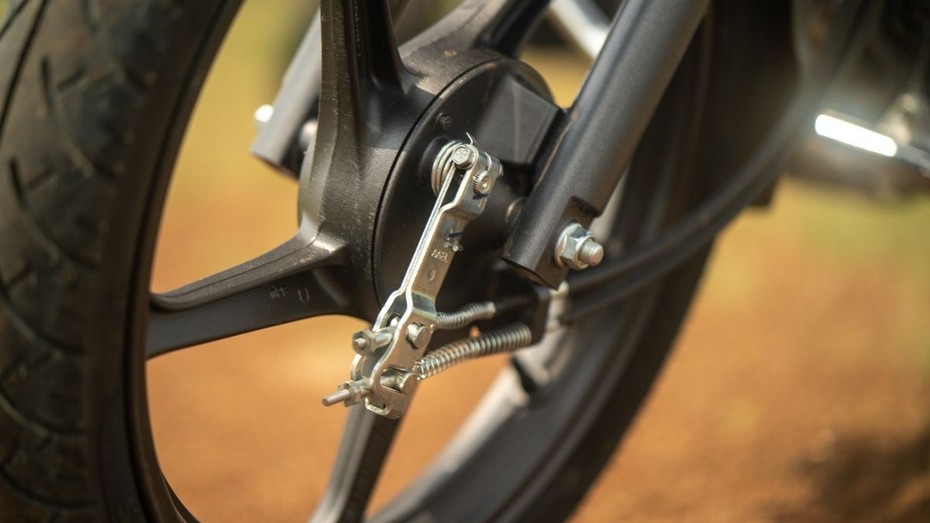
CBS links the front and rear brakes together. Pull the left lever or step on the brake pedal, and some amount of braking force automatically goes to the other wheel. Many beginners tend to overuse the rear brake and underuse the front. CBS fixes that mistake by distributing force in balance.
ABS sensors read wheel speed in real time. If the system detects a wheel about to lock under hard braking, it rapidly releases and reapplies pressure. That prevents skids, keeps traction intact, and lets the rider steer while braking.
How does CBS actually work?
CBS works by linking brake inputs. The most common design in scooters is a mechanical cable splitter. Pull the left lever and both the rear and front brakes engage, with more force biased to the rear. In motorcycles, some CBS systems use a hydraulic mechanism where pressing the rear brake pedal also sends fluid to a caliper piston on the front wheel.
The idea is not equal distribution, but partial sharing. This is why CBS bikes feel more stable under everyday braking but won’t stop as fast as ABS bikes in emergency situations.
How does ABS actually work?
ABS works on a closed-loop feedback system. Each wheel has a speed sensor and a slotted tone ring. These sensors feed data to an electronic control unit. If the ECU detects that a wheel is about to stop rotating while the other is still in motion, it interprets that as lock-up.
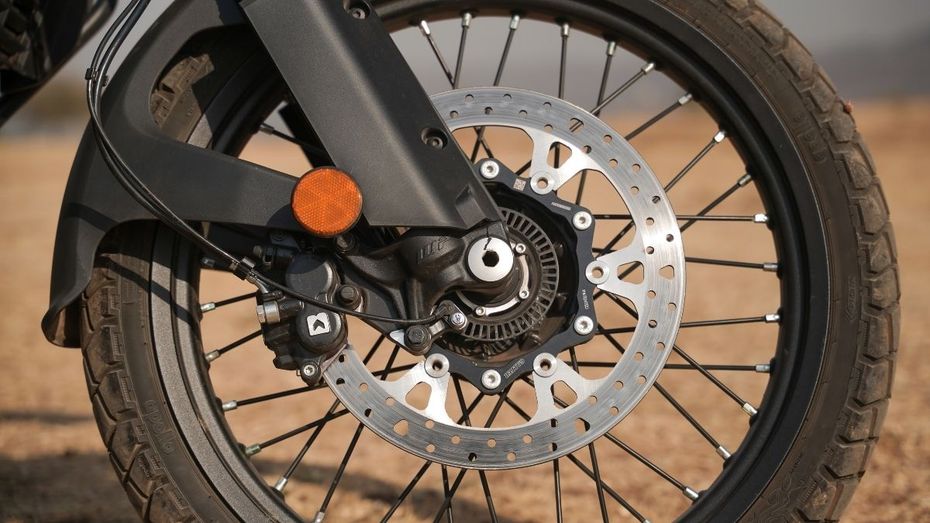
The ECU then activates the hydraulic modulator, which releases and reapplies brake pressure multiple times per second. This pulsing action is faster than any human could manage. The result is that the wheel keeps rolling, traction is preserved, and the rider can maintain steering control.
Which one is cheaper?
CBS is much cheaper to develop and install since it employs no sensors, no electronic control unit, no extra wiring. ABS requires sensors, a pump, an ECU, and a fair bit of calibration. For the manufacturer, CBS is the budget solution that meets government regulation for sub-125cc motorcycles.
Which one is safer for beginners?
Beginners often grab too much brake or stomp on the rear pedal. CBS helps by spreading out that panic input, so the bike remains stable.
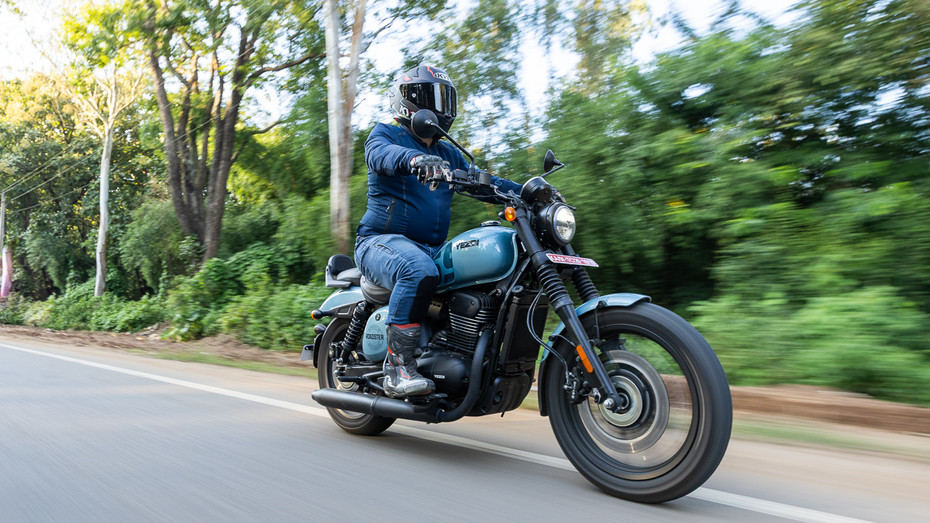
ABS, on the other hand, doesn’t correct poor technique. It only steps in when traction is about to be lost. If a beginner only ever uses the rear brake lightly, ABS may never even engage. But in that one moment when a car cuts across and the rider panics, ABS could mean the difference between a scare and a skid.
Which one is easier to maintain?
CBS is almost maintenance-free because the system is mechanical or hydraulic with few parts that can fail. ABS is more complex. The sensors, wiring, and ECU add points of failure. If an ABS pump develops an issue, replacement costs can be high.
Can CBS or ABS be retrofitted?
No. CBS cannot be easily retrofitted because it requires specific linkage and design integration from the factory. ABS is even more difficult. It needs wheel speed sensors, tone rings, a hydraulic modulator, and an ECU.
Is ABS mandatory in India?
From 2026 onward, the government has mandated that every new two-wheeler, no matter the engine size, must be sold with ABS, single- or dual-channel. CBS is out, something you only get if your bike was produced before the law kicks in.
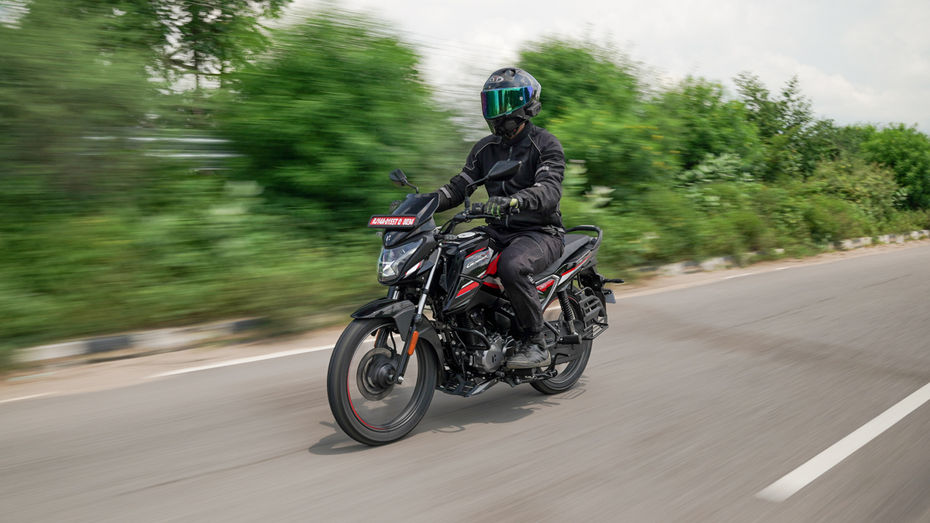
So yes, up to the end of 2025, sub-125cc bikes can be CBS or single-channel ABS. From 2026 onward, ABS is the new minimum across the board.
Which system is better in wet weather?
ABS is unquestionably better. On slippery surfaces, CBS cannot prevent a wheel from locking if the brake input is too harsh. It will only distribute force. ABS, however, continuously monitors traction and modulates brake pressure to stop a skid.
Does CBS affect braking distance?
Yes. In most cases, CBS will lengthen braking distance compared to a skilled rider manually applying both brakes correctly. ABS, on the other hand, can shorten braking distance in slippery conditions but may slightly increase it on dry roads compared to a perfectly executed manual stop.
Which one should you choose, CBS or ABS?
CBS is cheap, simple, and great at correcting beginner mistakes, which makes it well-suited to small-capacity motorcycles and scooters that spend their life in the city. ABS, on the other hand, is more complex, more expensive, but also the one system that can save you in a true panic stop, especially at higher speeds or in the rain.
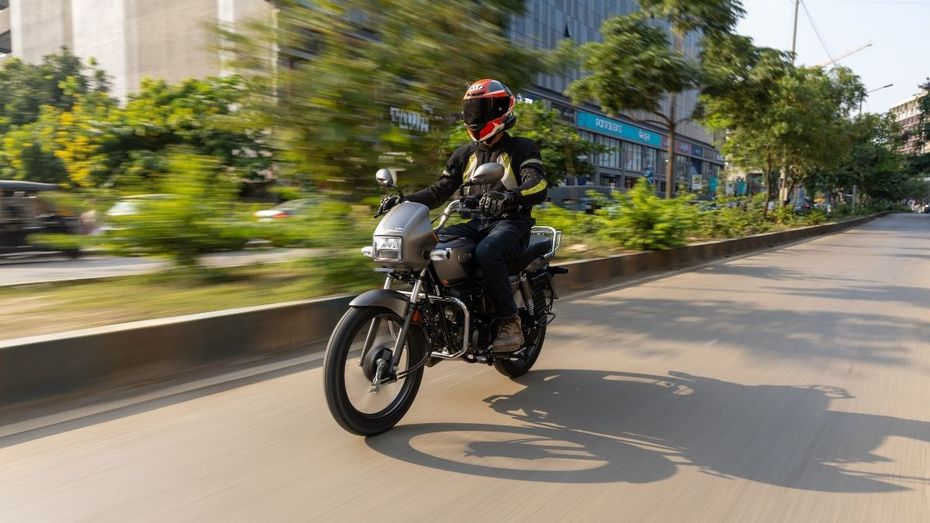
If you ride short commutes on a 100–110cc bike and cost is the only concern, CBS will serve you well. But if safety is what matters most, or if your riding takes you onto highways and faster roads, ABS is worth every extra rupee.

2 out of 2 found this helpful