

- English
- हिंदी
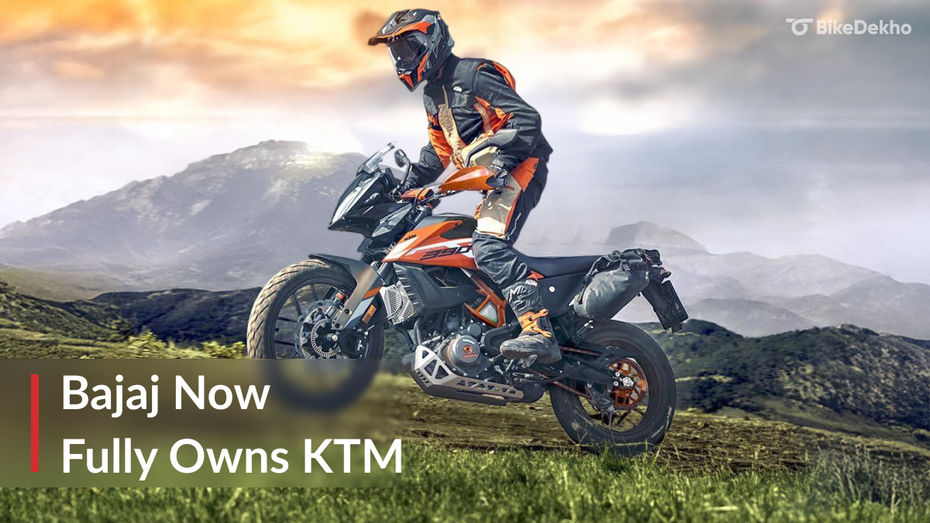
BREAKING: Hamara Bajaj, And Now Hamara KTM! Bajaj Fully Takes Over KTM


The announcement was made via an official stock-exchange filing by Bajaj
Quick News Highlights:
-
Bajaj Auto’s subsidiary completes acquisition of 100% shares in Pierer Bajaj AG & a controlling stake in Pierer Mobility AG (PMAG) – parent company of KTM, Husqvarna, GasGas
-
Pierer Bajaj AG will be renamed Bajaj Auto International Holdings AG, & Pierer Mobility AG will become Bajaj Mobility AG
-
While this may not have any direct, immediate impact on the end consumer, it’s important to note that now Bajaj will have a much greater say (and also control) in KTM’s product plans – both local & global
Bajaj, through its Netherlands-based subsidiary Bajaj Auto International Holdings BV (BAIH), has completed its acquisition of all outstanding shares of Pierer Bajaj AG (PBAG) on 18 November 2025. Bajaj now holds full control over PBAG, and a controlling stake in Pierer Mobility AG (PMAG) — the parent company of KTM, Husqvarna, and GasGas.
Why This Move Matters
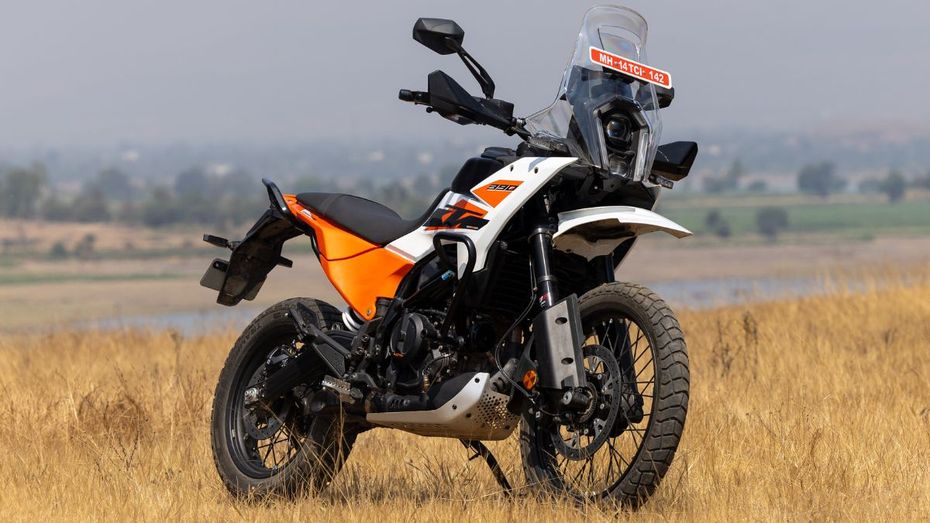
With this deal, Bajaj transitions from a passive investor to a majority owner, giving it direct say in governance, strategy, and long-term planning of the Austrian bike maker. KTM has long been a strategic partner for Bajaj – especially because of their joint development and manufacturing of smaller-displacement motorcycles in Pune.
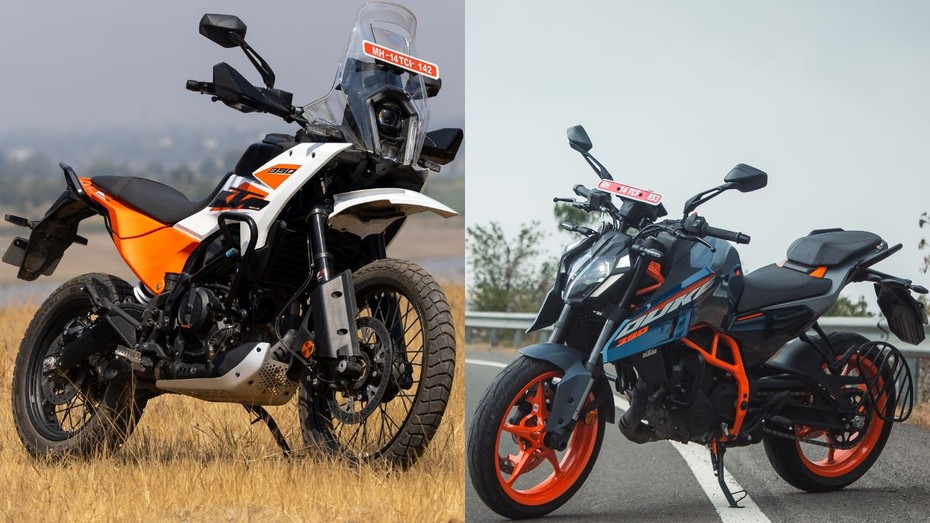
It all started with the KTM 200 Duke launch in India, followed by a whole range of models, including the launches of the KTM 390 Adventure range and KTM 390 Enduro R. This move gives Bajaj direct access to KTM’s strategy in both Indian and international markets.
The Rescue Mission
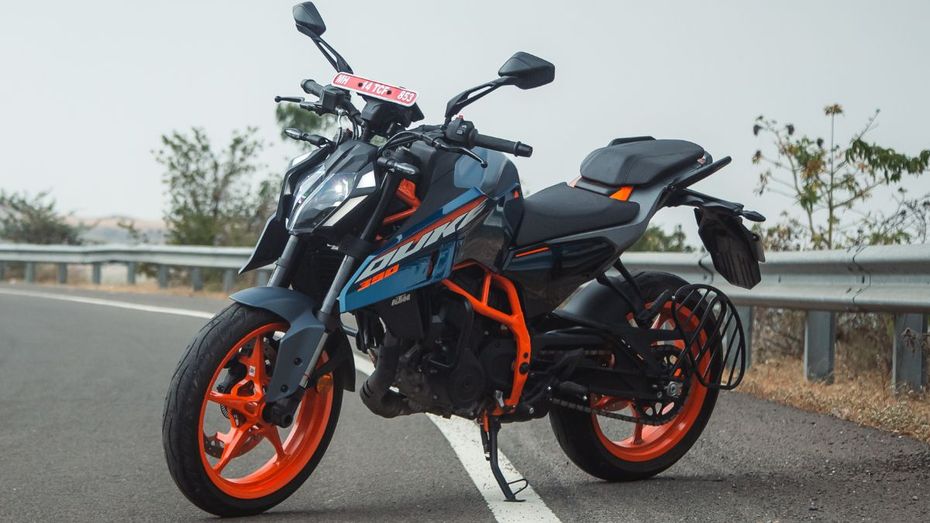
Bajaj previously already secured €800 million (Rs 8,200 crore) to support KTM’s restructuring. This was done to help the brand recover from almost going bankrupt due to mismanagement, both in terms of sales and business actions. Hence, it’s not surprising that Bajaj wanted to gain complete control, to ensure KTM’s long-term survival.
What This Means For India
For customers in India, this move may eventually lead to deeper integration between Bajaj’s existing domestic bike business and KTM’s premium offerings. Bajaj already manufactures small KTM models (125 to 390 range) in Pune for export.
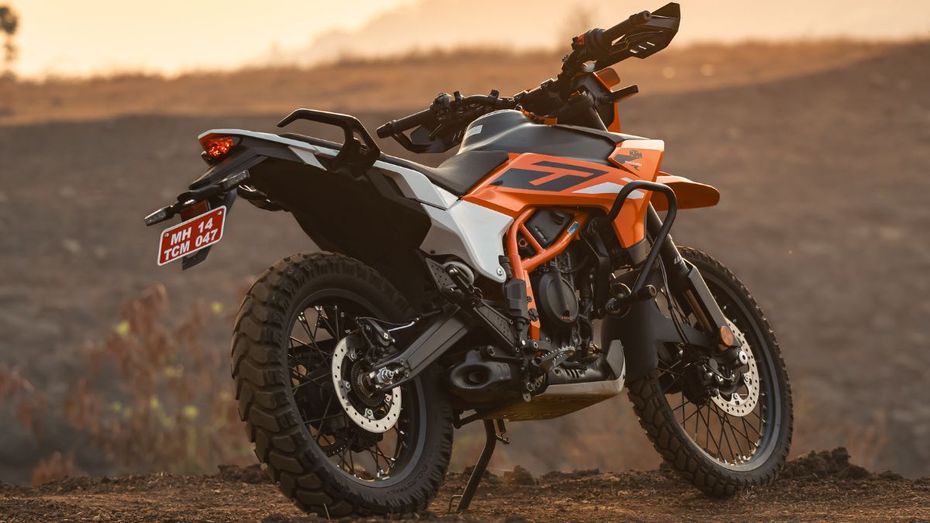
Now with more control, it could push more innovation, investment, and possibly production scale in India. In fact, Bajaj will also have access to KTM’s technical know-how, to be used for its ongoing twin-cylinder platform. Moreover, KTM’s big bike lineup will also get more streamlined with specific products for specific use-cases.
Of course, this will also mean that Bajaj will have greater authority in future product planning - not only for the Indian market, but also globally. Bajaj will now have to carefully plan ahead - not just in terms of new Bajaj as well as KTM/Husqvarna bike launches, but also financial management of KTM and its sister brands.
Check out all information about the upcoming KTM RC450.
