

Bikes With Reverse Gear Explained: ICE vs EVs


Giving electric bikes a reverse gear is a lot simpler than ICE bikes and here’s why
Rarely do we see a reverse gear on petrol-powered bikes. Only the most exotic, biggest and heaviest tourers, like the Honda Gold Wing, BMW K 1600 B or even the BMW R18 have reverse gears. And it’s obvious why they have them: these are all extremely heavy bikes and backing them manually in a tight parking lot can be quite tricky. And since all of these bikes cost a bomb, brands can splurge a bit more money and give them a reverse gear.
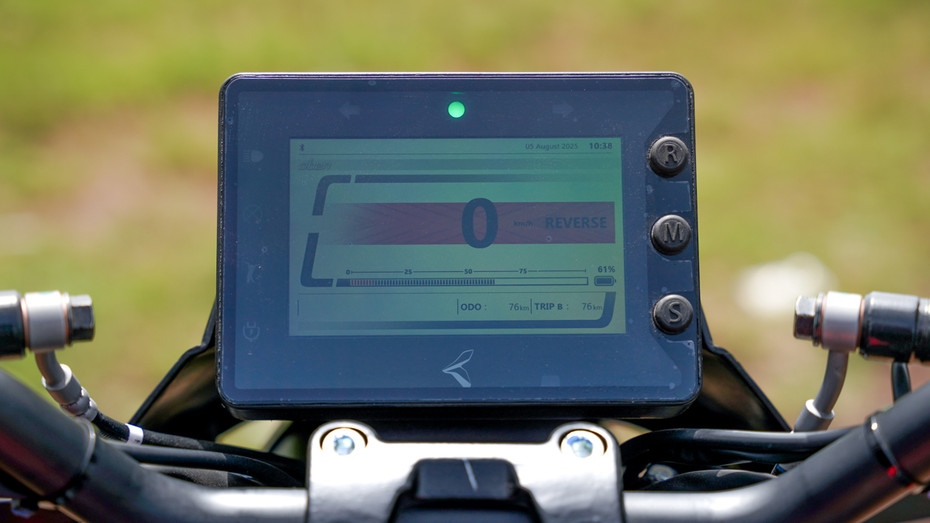
But then when the Ultraviolette F77 got a reverse gear, it made us wonder how a relatively affordable electric bike got a reverse gear in the first place. In fact, even the humble Suzuki e:Access has a reverse gear. So how exactly are such affordable electric scooters getting a feature that was previously reserved for the most exotic, expensive touring bikes? Well, allow us to explain.
ICE Bikes Reverse Gear Explained
For starters, most petrol-powered bikes don’t need one. Even some of the heavier bikes are still not all that heavy to push around in a parking lot. Plus, bikes are a lot more compact than cars and have a much tighter turning radius. This means you don’t really need a reverse gear as you do in cars.
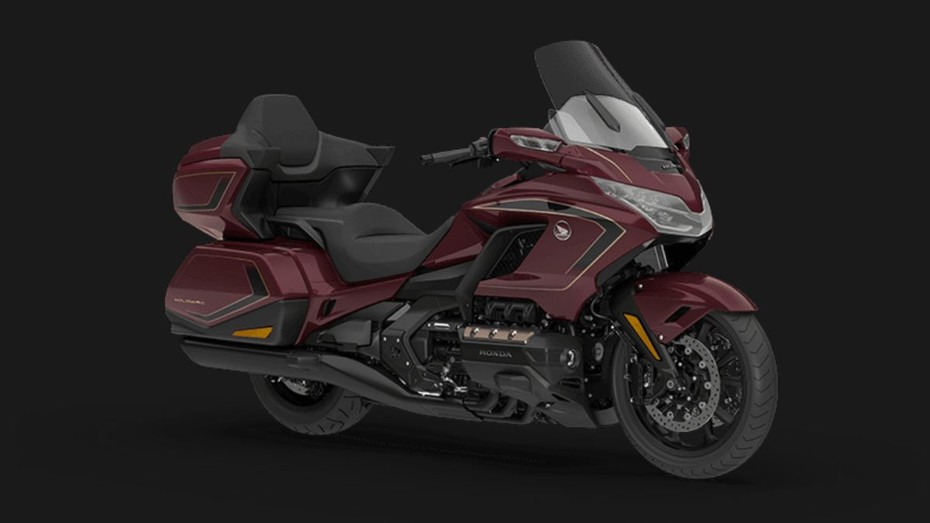
Now, coming to the big bikes we spoke of earlier, these have a reverse function, not exactly a reverse gear. It’s essentially an electric assist which uses the electric starter motor to move the bike backwards at a slow pace. That is unlike a traditional reverse gear seen in cars. Hence, these are often named as ‘reverse assist’ instead of calling it a reverse gear.
Electric Bikes Reverse Gear Explained
In the case of electric bikes and scooters, the process is a lot simpler. Here, instead of the starter motor, the primary motor itself can be run in the opposite direction to help the scooter or bike reverse. Electric motors can essentially work in forward and reverse with a simple software command, eliminating the need for a complex and heavy mechanical transmission.
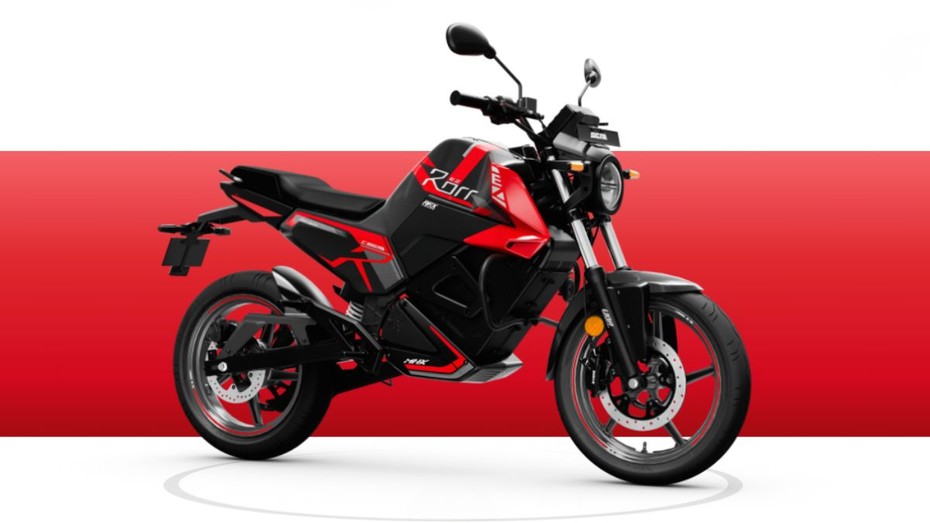
In short, the fundamental design of electric motors makes the reverse function a simple software implementation in EVs, while it’s a more complicated thing in petrol-powered bikes.