

Essential Motorcycle Gear for Long Rides


Long-distance riding needs purpose-built gear and your street-riding gear just won’t cut it
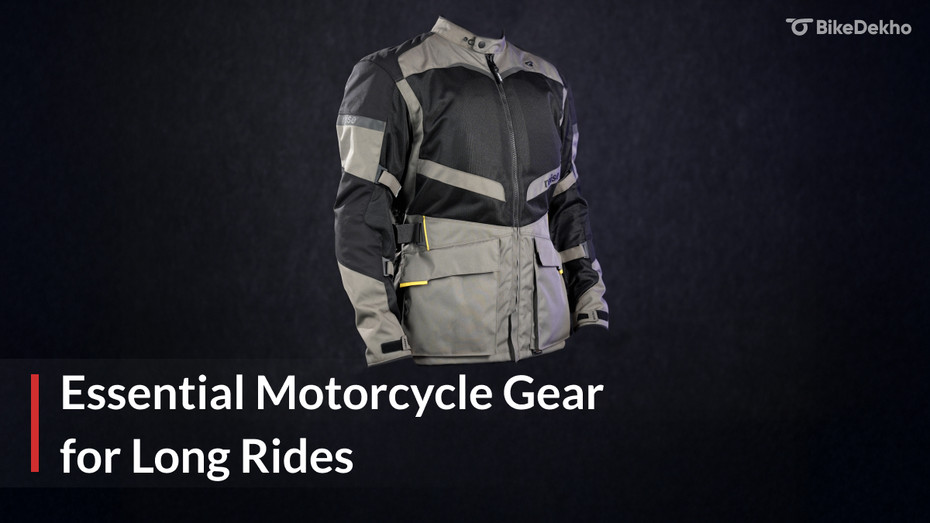
Long-distance riding is far different from your everyday street riding. For starters, long-distance riding gear is generally bulkier. It can also have multi-weather protection to allow riding in different weather conditions. While street gear is meant to be comfortable for a short ride, that meant for touring is supposed to be comfortable for long hours on the saddle. Here’s how each piece is different for long-distance riding, and why you need to choose properly.
Jackets
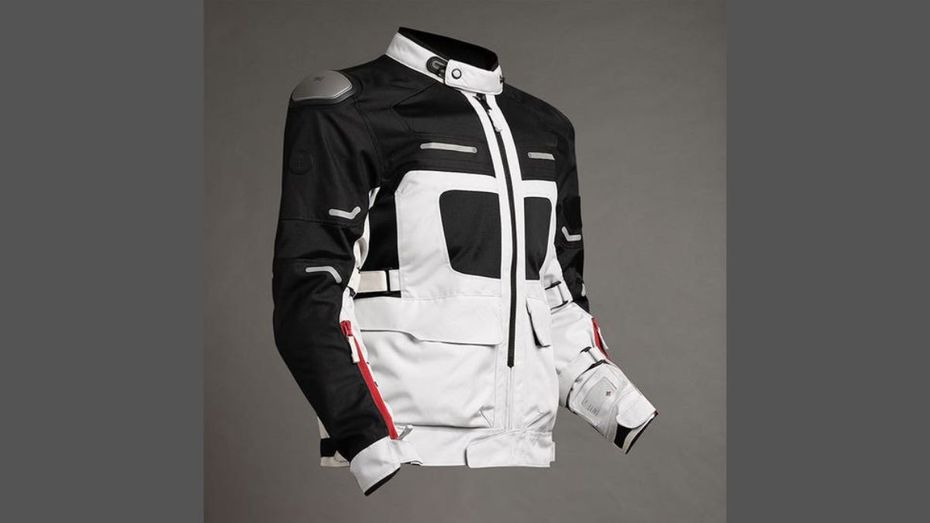
Jackets meant for long distance riding are generally longer than street-oriented jackets. These also have more pockets that allow easy storing of handy things. A lot of touring jackets will have a pouch-like storage compartment on the back that stores larger items. Good jackets will have more protectors – chest pads, longer back protectors, extra or exterior metal plates on shoulders.
Pants
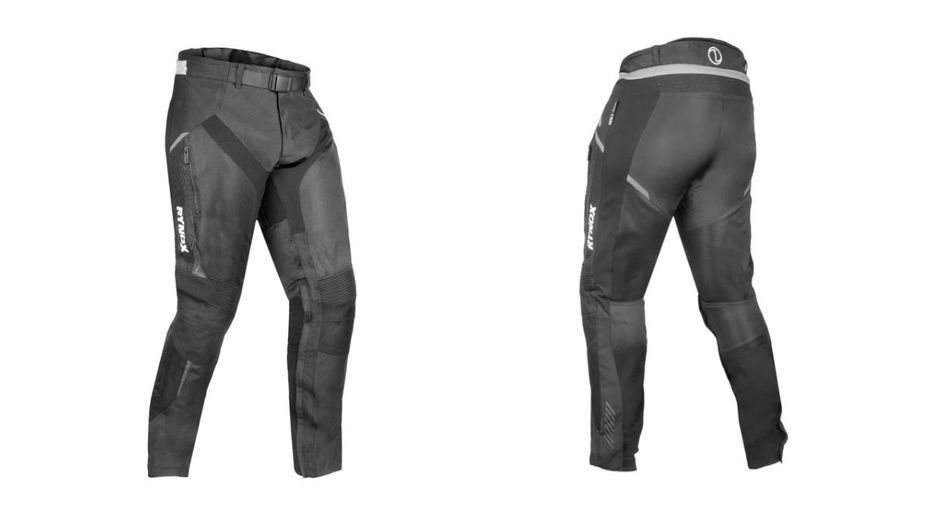
Your riding jeans aren't really good long-distance riding pants. While the jeans may look cool in the city, they can get really uncomfortable once you start piling up hours on the saddle. Also, most riding jeans use thinner protectors in favour of a slimmer look. A good pair of long-distance riding pants generally have a softer layer on the insides that makes the pants feel comfortable for a long time. Some pants also have accordion or stretchable patches that extend when your knees are bent while riding – they can prevent the legs of the pants from riding up when seated.
Gloves
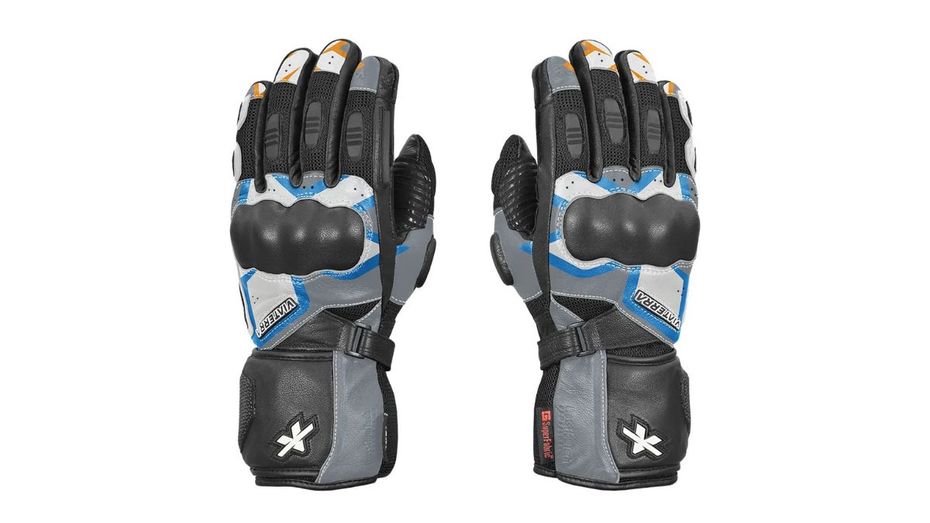
Touring gloves are longer than street gloves, and have longer cuffs that extend on to the jacket’s sleeves. They also have thicker palm and scaphoid sliders, and harder knuckle protectors. Touring gloves are distinctly different for summer and winter/monsoon riding – you can’t really have an all-season pair of gloves.
Boots
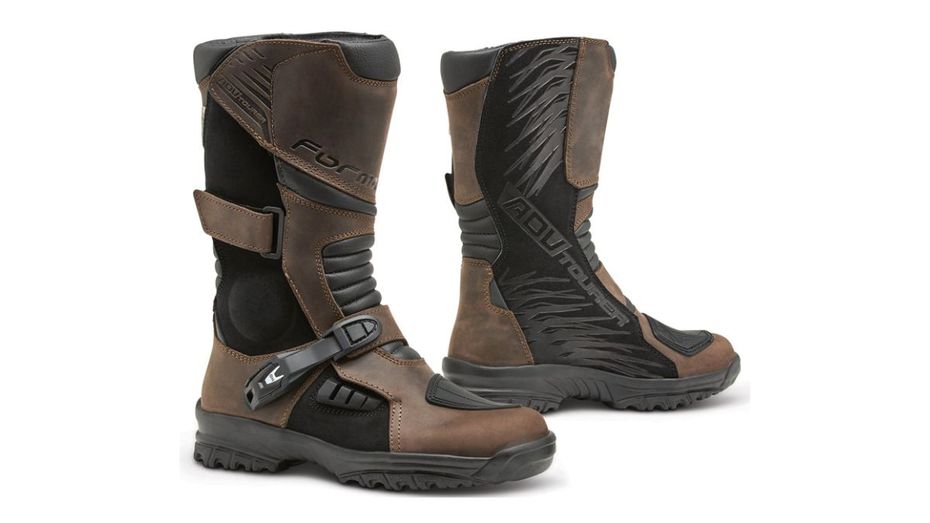
Touring boots are quite taller, almost reaching till your shins. Like touring pants, some touring boots can have a flexible front section that can compress when your feet are placed on the footpegs. Some expensive touring boots can have a grippier sole than can make it easy to get a good grip on the pegs in varied riding conditions.
Helmets
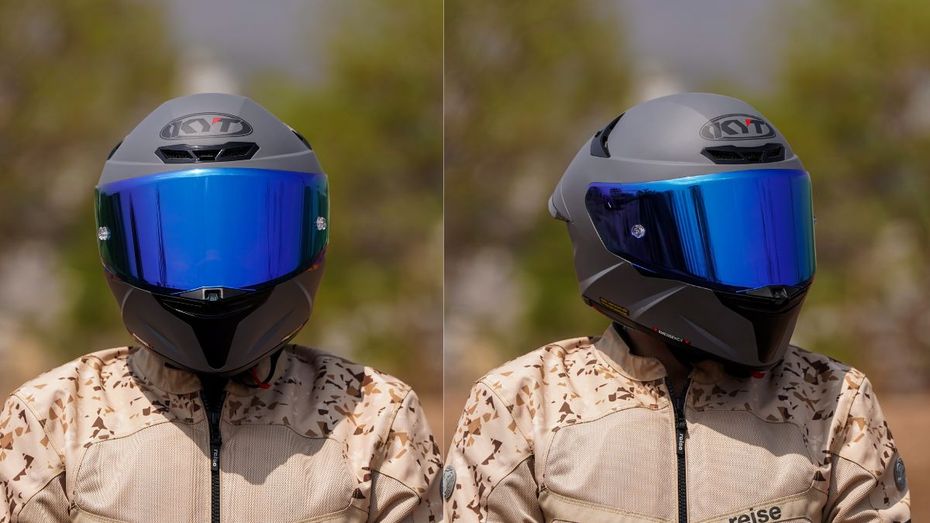
This is the easiest to pick. Almost all full-face helmets can be used for long distance riding. Half-face helmets are a big no-no. Some riders prefer a modular helmet since they can be more comfortable.
Weather-specific Riding Gear
Most touring gear is going to be weather-specific. If you often ride to hotter regions, the gear needs to be well-ventilated. Look for a jacket and pants with vents and mesh patches that can keep you cool. Gloves and boots need to be ventilated as well. Most helmets have air-vents that keep your head cool.
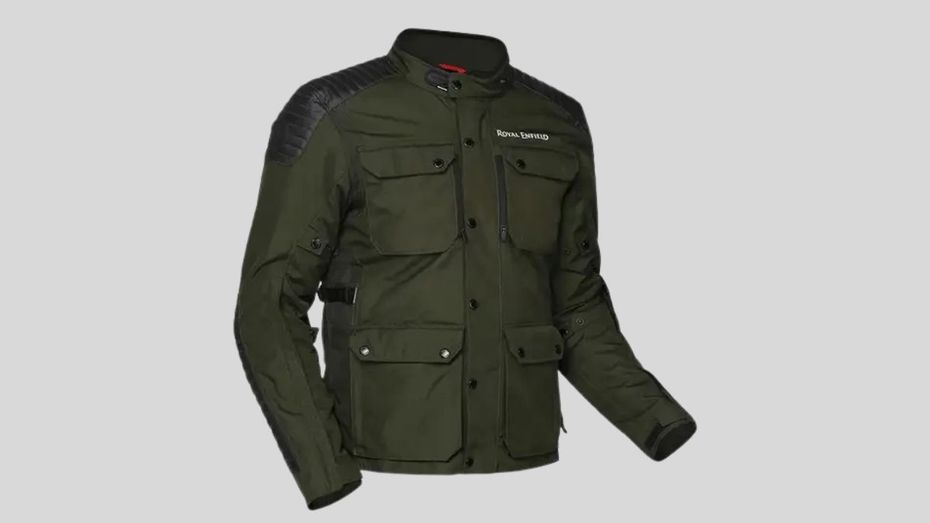
On the contrary, if you are riding to colder regions, you need jackets and pants that have thermal liners that can keep you warm. Gloves need to be padded and non-ventilated to keep your hands warm. Same goes for the boots. For monsoon, you need waterproof riding gear or liners that can prevent water from seeping in. Most winter-ready gloves and boots are waterproof. Here’s an explainer on winter riding gear that can help you plan better.
BikeDekho Says
Touring motorcycle gear may not be comfortable for short rides or commutes, but it will help you ride longer and further comfortably. More often than not, it is substantially more expensive since it's more rugged and hardy. We suggest checking it out as much as you can, especially if you have never bought one – reviews as well as in store. Touring gear can feel overwhelming if you are not used to it, but once you are used to it, they can feel like a second skin even during long rides.
