

Valuation, Ownership Costs, Financial Protection and Why You Need to Know These Terms


Everything important you need to know about bike valuation
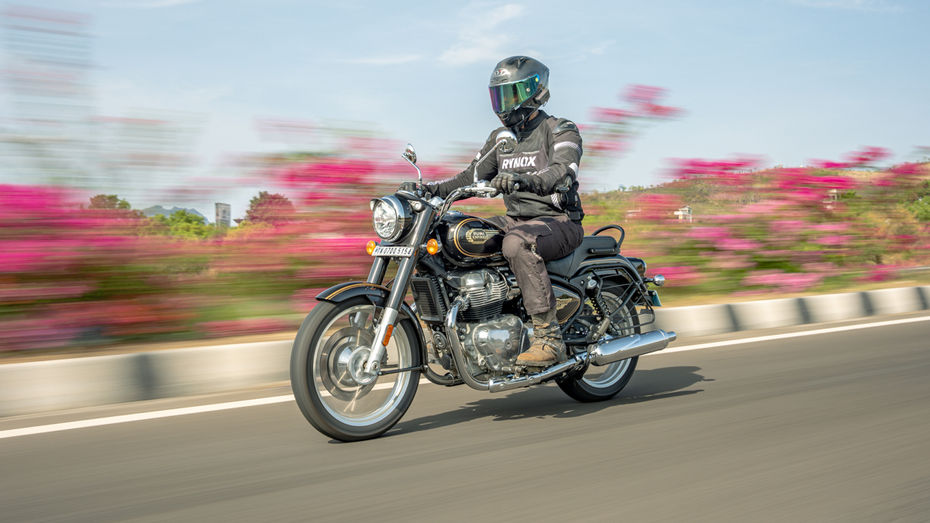
Owning a bike involves more than just paying its full purchase cost. Fuel, servicing, repairs, insurance premiums and depreciation all contribute to the overall cost of ownership. Understanding a bike’s current market value helps owners plan expenses, make informed resale decisions, and choose suitable financial protection. A realistic valuation also plays an important role in determining insurance coverage and the compensation available in case of theft or total loss.
Why is a Bike’s Valuation More Important Than Most Owners Realise?
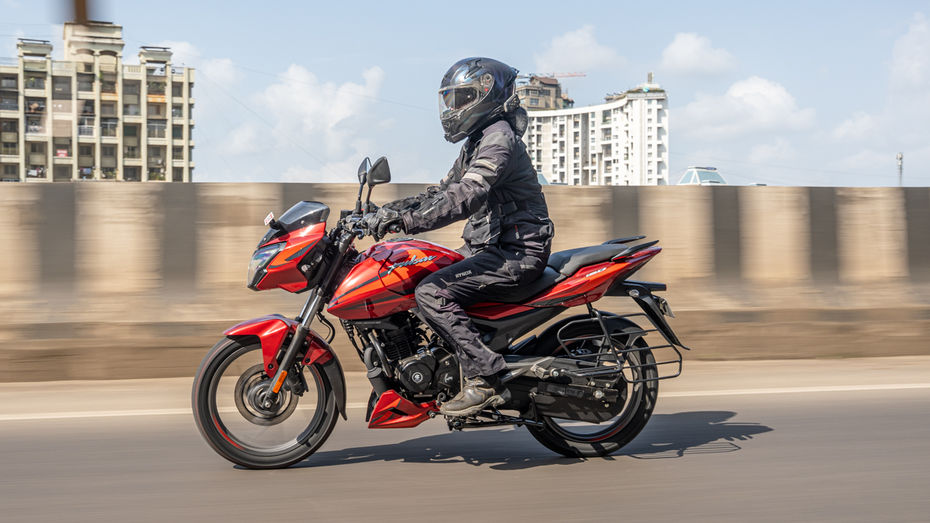
A bike’s valuation represents its estimated market worth at a particular point in time. This value changes with age, mileage, condition, demand and depreciation. Knowing how much a bike is worth helps owners decide whether to sell it, retain it or invest in repairs.
Understanding a bike's current value helps owners assess whether future spending on maintenance, upgrades or repairs is financially sensible. It also provides a realistic benchmark when negotiating resale or exchange offers.
How Does Bike Valuation Affect Long-Term Ownership Costs?

Depreciation reduces a bike’s value over time, affecting both its resale price and insurance requirements. While the rate of depreciation varies by model and condition, older bikes generally command lower resale prices than comparable new ones.
As a bike ages, its resale value gradually declines while maintenance requirements may increase. Monitoring valuation alongside annual ownership expenses helps owners understand the true long-term cost of retaining the vehicle. It also helps identify when rising ownership expenses begin to outweigh the financial value derived from the bike.
Which Hidden Ownership Costs Can Significantly Increase a Bike's Cost?

The purchase price is only one part of the ownership equation. Several recurring and unexpected expenses can increase the total cost.
-
Maintenance and repairs: Regular servicing, replacement parts and labour charges add up over time.
-
Fuel expenses: Daily commuting distance, mileage and changing fuel prices influence monthly spending.
-
Tyres and consumables: Tyres, brake pads, chains and batteries require periodic replacement.
-
Insurance premiums: Premiums vary with the bike’s value, age, engine capacity, location, and selected coverage.
-
Depreciation: The difference between the purchase price and eventual resale value represents a significant ownership cost.
-
Unexpected damage: Accidents, theft and certain natural events can create substantial expenses.
Tracking these costs alongside the bike’s current value gives owners a clearer picture of what their vehicle actually costs to maintain.
How Can Riders Use Bike Valuation to Make Better Financial Decisions?

Riders can use valuation to compare ownership expenses, estimate resale proceeds and plan their next purchase. Before selling a bike, checking prices for similar models helps establish a realistic asking price. Before buying a used bike, valuation helps determine whether the seller’s price reflects its age, condition and maintenance history.
Valuation can also help riders decide the right time to sell, exchange or upgrade their bike. Monitoring market demand and resale value trends allows owners to maximise returns and make more informed purchase decisions.
Why is Financial Protection an Important Part of Bike Ownership?
Even a well-maintained bike can suffer accidental damage or get stolen. Without suitable financial protection, owners may have to pay for expensive repairs or replace their vehicle using personal savings.
Financial protection helps reduce the financial impact of unexpected incidents involving the bike. Choosing financial protection that reflects the bike's value and usage can help owners manage unexpected costs without significantly affecting long-term ownership budgets. It provides a financial cushion against expenses that may arise from covered accidents, theft or major damage.
How Does Bike Insurance Help Reduce Sudden Ownership Expenses?

Bike insurance can protect owners against eligible financial losses arising from accidents, theft and other covered events. The extent of protection depends on the policy selected.
Third-party insurance covers specified liabilities towards others, whereas comprehensive insurance combines third-party liability protection with cover for damage to the insured bike, subject to policy terms. Understanding the available coverage options helps owners select protection that matches their bike’s value and usage requirements.
|
Insurance Type |
What It Covers |
|
Third-party Insurance |
Eligible third-party liabilities; damage to the owner’s bike is not covered |
|
Own-damage Insurance |
Covered damage to the insured bike, subject to policy terms
|
|
Comprehensive Insurance |
Third-party liabilities and covered damage to the insured bike
|
Choosing suitable coverage can reduce out-of-pocket expenses when an insured event occurs. However, exclusions, deductibles and claim conditions still apply.
What Role Does IDV Play in Protecting a Bike’s Financial Value?

IDV or Insured Declared Value is the insurer-assessed value of a bike after accounting for depreciation. It generally represents the maximum claim amount payable in cases of theft or total loss, subject to the policy’s terms and conditions.
The declared value influences both the own-damage premium and the potential payout for a total loss or theft. Selecting an unrealistically low IDV may reduce the premium but leave the owner with inadequate compensation.
Understanding IDV in bike insurance can help owners make informed coverage decisions, as a realistic IDV ensures the bike's insured value more closely reflects its market worth and can result in more appropriate compensation in the event of theft or a total loss, subject to policy terms and conditions.
Understanding how IDV is calculated helps owners choose an insurer-declared value that accurately reflects the bike's current worth.
Key Takeaways for Managing Bike Value, Costs and Financial Protection

Managing bike ownership costs requires a combination of regular expense tracking, realistic valuation and suitable insurance. Owners should monitor depreciation, budget for maintenance, compare resale prices and evaluate coverage at renewal.
Most importantly, the cheapest option is not always the most economical in the long run. A well-maintained bike, informed financial decisions, and an appropriate insurance policy can help riders manage ownership expenses while protecting themselves against significant unexpected losses.