

Motorcycle ECU (Engine Control Unit) Explained


An ECU uses electronic trickery to help modern fuel injected motorcycles run better. Here’s a closer look at how it functions
An ECU uses electronic trickery to help modern fuel injected motorcycles run better. Here’s a closer look at how it functions
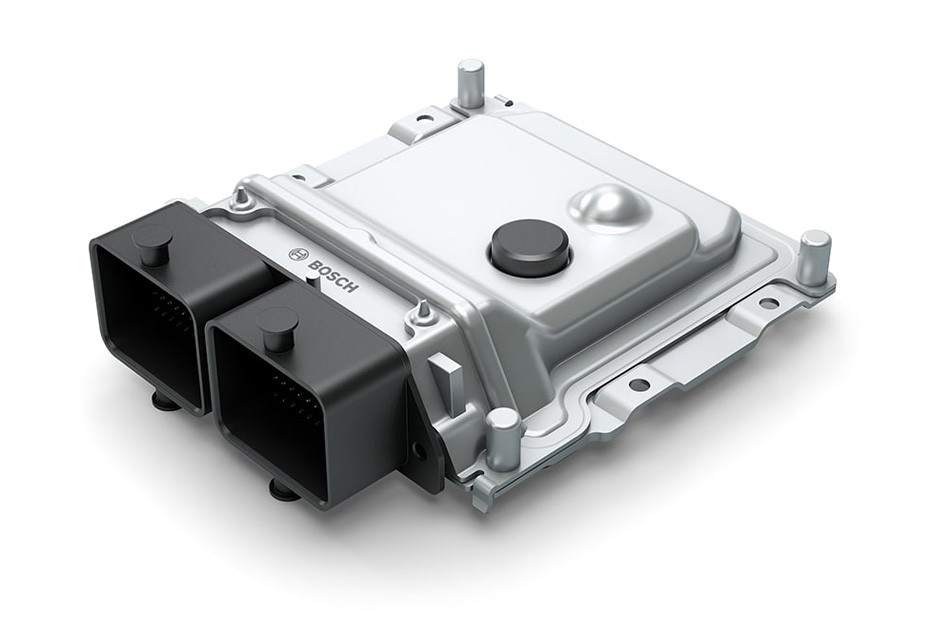
If you’ve been following our tech articles, you must have read the term ‘ECU’ (Electronic Control Unit) on more than a couple of occasions. That said, very few actually understand the workings of this magic box. No, it isn’t black magic but simply some electronic trickery that helps your modern day bikes run better. So, without further adieu, here’s how an engine ECU or ECM (Engine Control Module) functions.
Also Read: Carburettor Vs Fuel Injection: Difference Explained

The ECU can be considered the brain of the bike while the engine is the heart. In essence, the ECU takes inputs from various sensors, processes them and send out a signal to the concerned electronic component to act upon it. In the same way our brain detects smell, sight and sound and acts via our legs, hands, fingers and such.
To elaborate, the ECU uses multiple sensors to calculate a number of variables like air pressure and temperature, throttle position and engine speed to offer the exact amount of air and fuel mixture required for proper combustion inside the cylinder. As a result, you get precise fueling for optimal combustion which leads to better throttle response, improved performance and a fuel efficient engine. The ECU can also adjust the valve lift timing (Variable Valve Timing) in some engines to offer better low-end grunt or improve top-end performance.
Also Read: What is Ride-By-Wire Throttle?
While the engine is one aspect that’s controlled by an ECU, it’s also responsible for monitoring and handling a bunch of electronic nannies on bigger, more powerful bikes. Electronic rider aids like ABS, cornering ABS, traction control, launch control, electronic suspension damping, wheelie control, engine brake control and various riding modes are all controlled by the ECU.
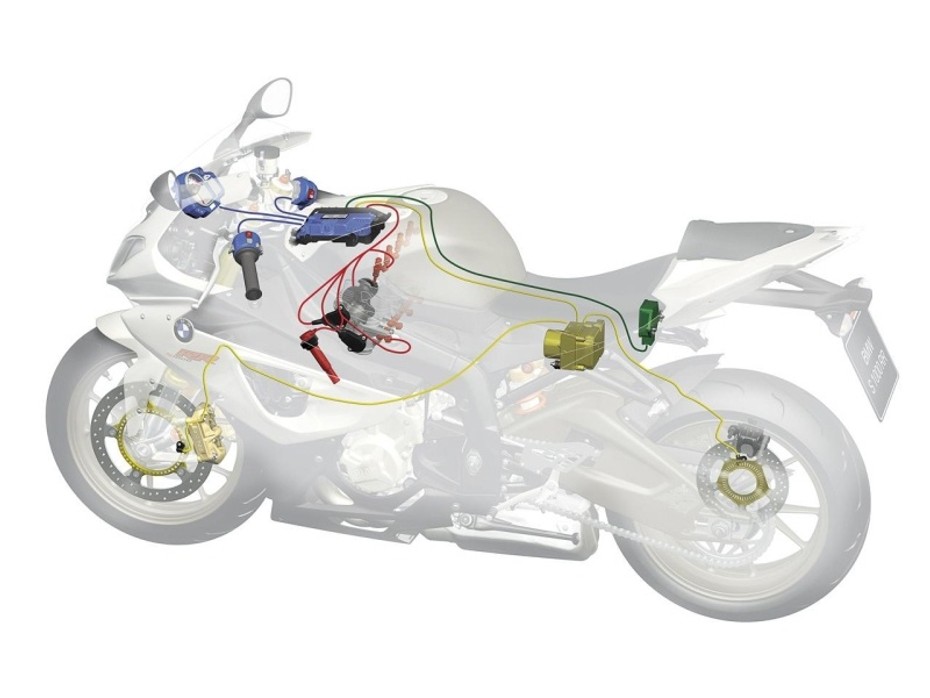
For instance, an ABS setup comprises of four major components: sensors, valves, the ECU and actuators. Under hard braking, the sensors in the wheel send out a signal to the ECU which calculates the wheel rotation speed and acceleration. It then cues the hydraulics in the brake calipers to apply or release the brakes, thus preventing the wheels from locking up, offering better control.
Also Read: Motorcycle Quickshifters: How Do They Work?
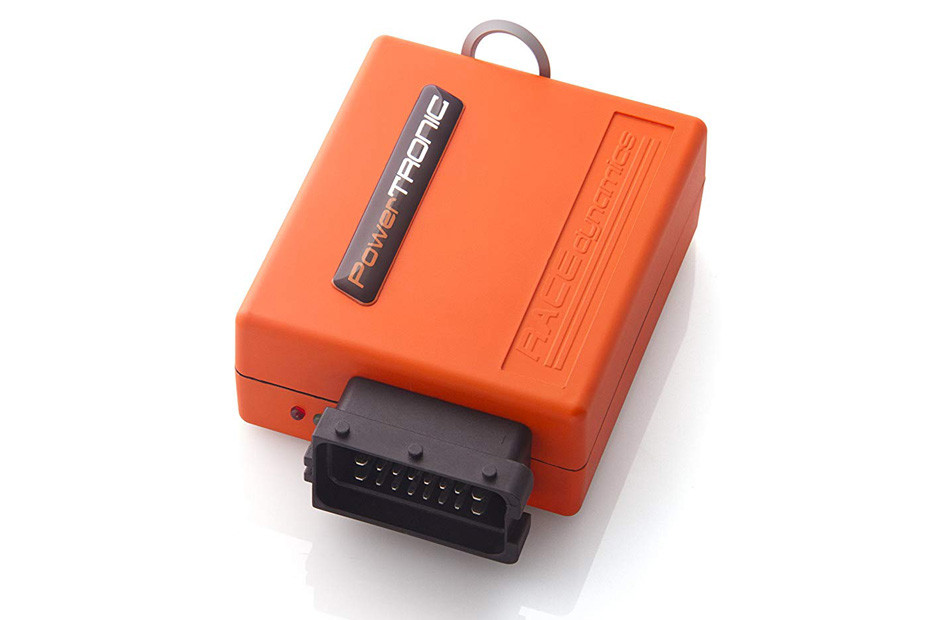
Modern-day motorcycles like the KTM 390 Duke, TVS Apache RR 310 and the Royal Enfield Interceptor 650 have an ECU with a standard map that controls all these aspects. Alternatively, you could upgrade the module with an aftermarket performance ECU from PowerTronic or Bosch which can fine-tune set ratios through downloadable power maps in order to offer better fuel efficiency or improve performance. This power commander usually come in the form of a piggyback unit that’s designed to work with the factory ECU. Essentially, this allows the owner to backtrack to the stock ECU when it's necessary.
1 out of 1 found this helpful