

How To Choose The Right Helmet?


A good helmet can be the difference between life and death
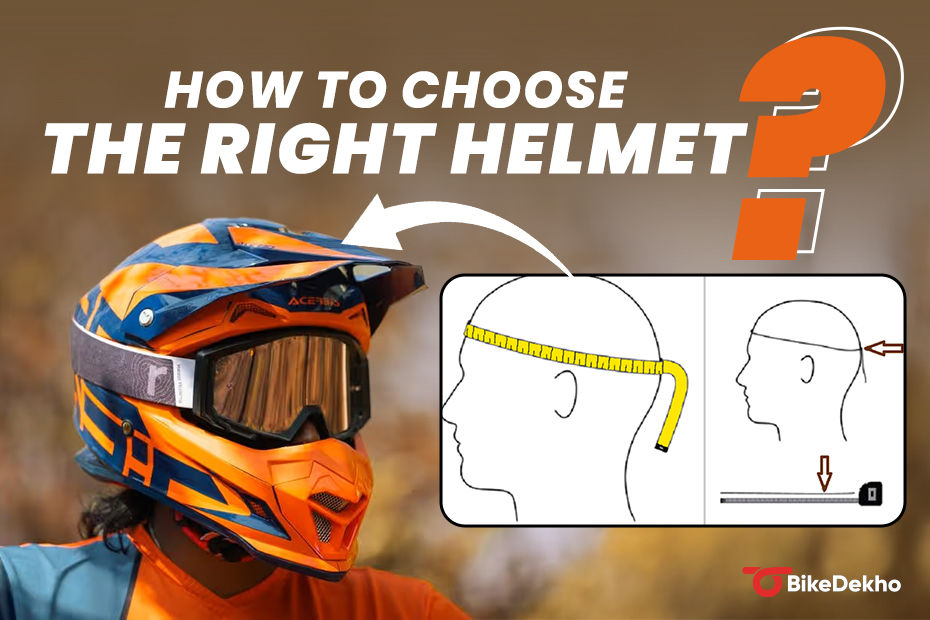
What's the one basic gear that you should always wear while riding? The only thing that pops up in your mind is a helmet. Helmets are not just about following rules, they are the one necessary protection that saves you when you have a crash–be it a major or a minor. The helmet you are wearing could make a difference between life and death.
So, how do you get the perfect helmet for yourself? What's the baseline for safety certifications? How should the helmet fit you? Lets dive into all the basics and get your questions answered:
Necessary Certifications:
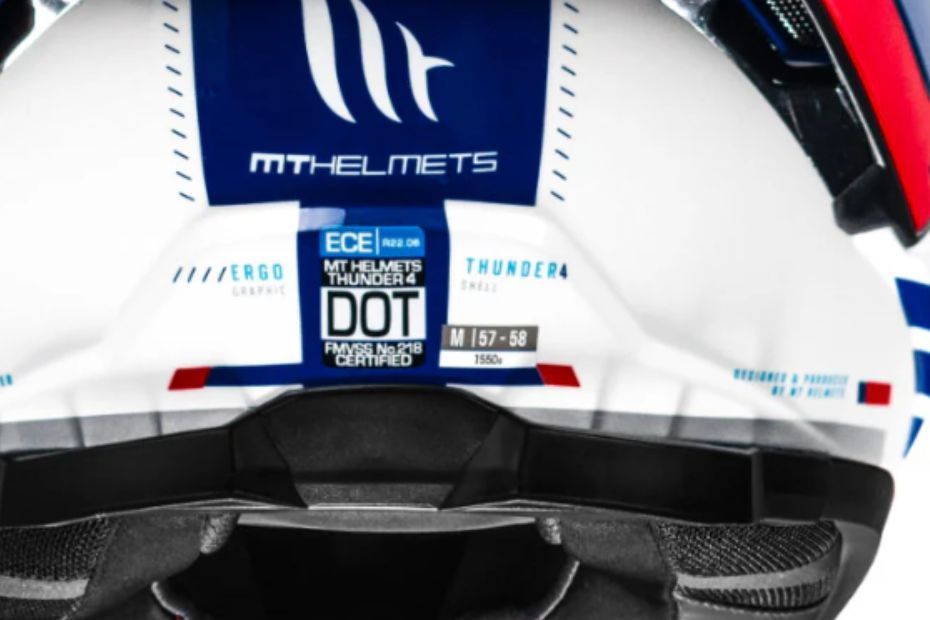
When buying a helmet, you will notice small stickers on one. What do they mean? Are they relevant or important?
Yes! There are certain standards set for safety of helmets by various government, non-profit organisations and bureaus. The helmets that pass their test are given certifications and are generally deemed safe use. So, here’s a list of certifications that you should look for when buying a helmet:
ISI (Indian Standards Bureau)
This is the base certification needed for helmets to be sold in India. If the helmet you want to buy doesn't have ISI certification, even if it has ECE, DOT and others, it is not legal to be sold in India. The ISI is based on an older ECE certification though that makes it safe. But, in ISI certification the helmets are tested in-house by manufacturers and it is a little hard to verify its authenticity.
ECE (Economic Commission for Europe)
The ECE certification is considered as the strictest certification a helmet can have. The helmets undergoing ECE certification are tested for impact absorption,strap integrity and retention as well as abrasion resistance. We think, at least the latest ECE certification i.e. ECE 22.06 is necessary for the helmet you buy.
DOT (US Department Of Transportation)
The DOT certification is overseen by the National Highway Traffic Safety Administration (NHTSA). The DOT certification is mandatory for all the helmets sold in the USA. The helmets are tested for impact resistance, penetration resistance and retention of helmet strap in case of a crash.
There are few other certifications for helmets like SNELL and SHARP that are considered superior but are not mandatory.
The Safety Aspect:
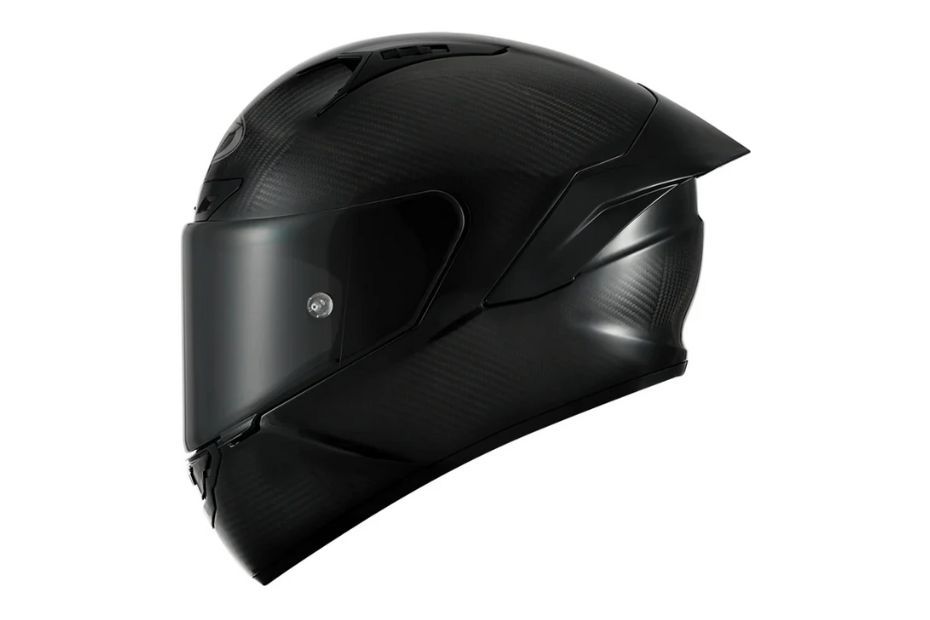
Shell
This is the outermost part of the helmet and is designed to absorb the initial impact the helmet takes. It can be made of poly-carbonate, fiberglass or carbon-fibre in high end helmets.
Liner
This part of the helmet sits inside the shell and is generally made of polystyrene and protects the rider by dissipating the impact energy.
Chin-strap
In case of a crash, the helmet may fly off the rider’s head. The chin strap secures and keeps the helmet fastened to the head of the rider avoiding any potential injuries. The chin strap is very important and is also a criteria when helmets are being tested.
Visor
The visor of the helmet is very important for clear vision of the road. The visor provides protection from environmental elements as well as any debris that fly off the road.
Fit of the helmet:
The fit of the helmet is also very important for the rider. The fit of the helmet, even if it is a little bit off and is loose, will cause problems and can be a distraction for the rider on the road. This is a potential hazard and is one of the deciding factors when buying a helmet.
Measurement:
The measurement and the size of the helmet should be snug fit, not too tight and not too loose. To determine the size of the helmet for yourself, take a measuring tape and measure your head’s circumference just above your eyebrows and the back of your head lining the tape just above your ears. Different brands make different shells with their own unique fits and shapes. Try on the helmet you want to buy to determine the size.
Visibility:
The ideal fit should not hamper your visibility while riding. Make sure the helmet's chinbar is just below your nose and the visor provides clear vision. Also check for eyewear compatibility of the helmet if you wear any.
Pressure points:
The helmet you buy may create pressure points on your skull, face and also the neck. Check if the shell, liners or the straps of the helmet are too tight. That is a potential disaster waiting to happen. It may cause the rider to focus on the pressure points more than the road and is a potential hazard you should avoid. Also, check for the strap fit of the helmet. The helmet should at least have a strap that is snug fit and can accommodate two fingers after it is strapped to the head.
BikeDekho Says
Getting a good helmet is never about the looks or the price of the helmet. A good helmet is about being safe on the road or off the road wherever you are riding. We suggest you get a helmet that is at least ISI certified, but if you can get better helmets with international certifications like DOT and ECE (22.06), please go for it. In case of a crash, a good helmet will definitely be a deciding factor between life and death. Use good gears and ride safely!
2 out of 2 found this helpful
