

Essential Riding Gear For Motorcycle Beginners


Here’s how to get the right gear for yourself
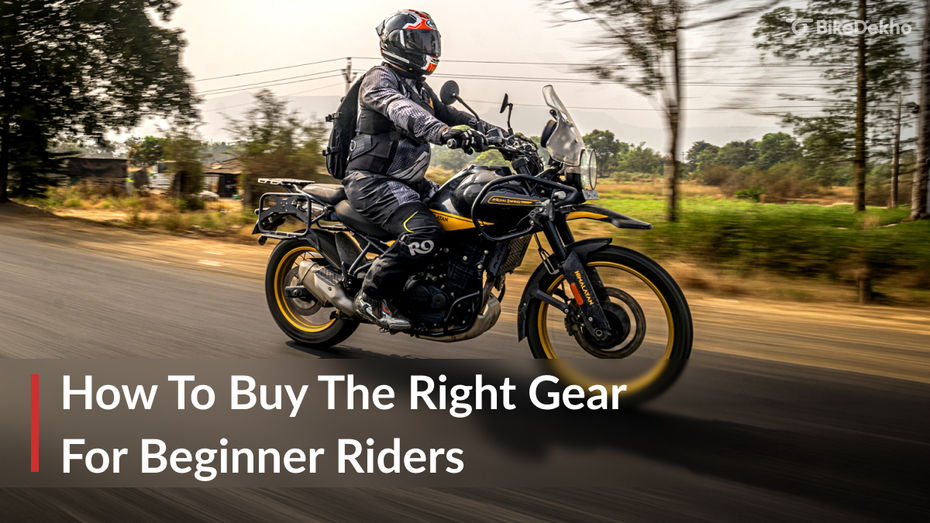
The riding gear market is filled with a wide range of brands. Each brand offers different types of gear of varying safety ratings, and this can be confusing for beginners. To make this decision easier, we have prepared this detailed guide.
Helmet
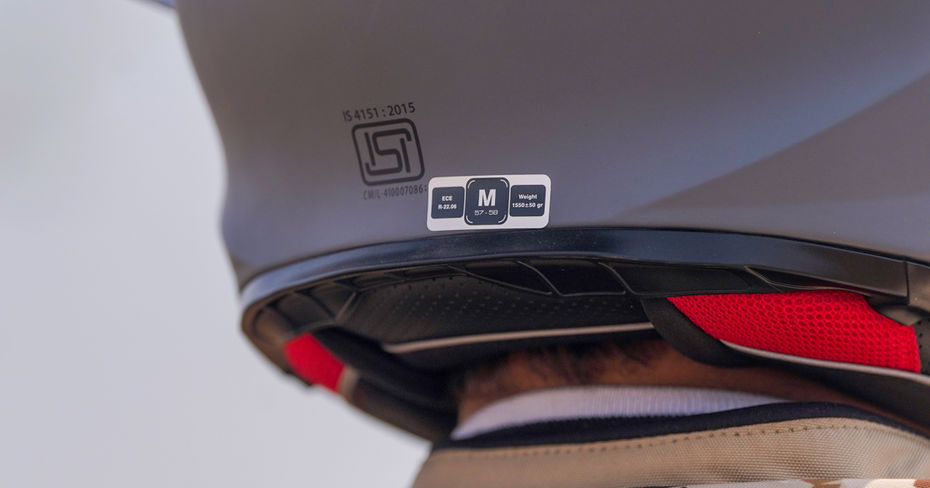
A helmet is the most essential part of riding gear because it protects the most vulnerable part of our body- our head. When choosing a good helmet, the first thing you should check is that it has the required certifications – ISI is mandatory, ECE is a bonus. These certifications are usually printed on the back of the helmet.
Next, wear the helmet to determine the correct size. The padding should be slightly tight but not uncomfortable. Then shake your head in different directions to ensure that the helmet moves with your face and does not feel loose.
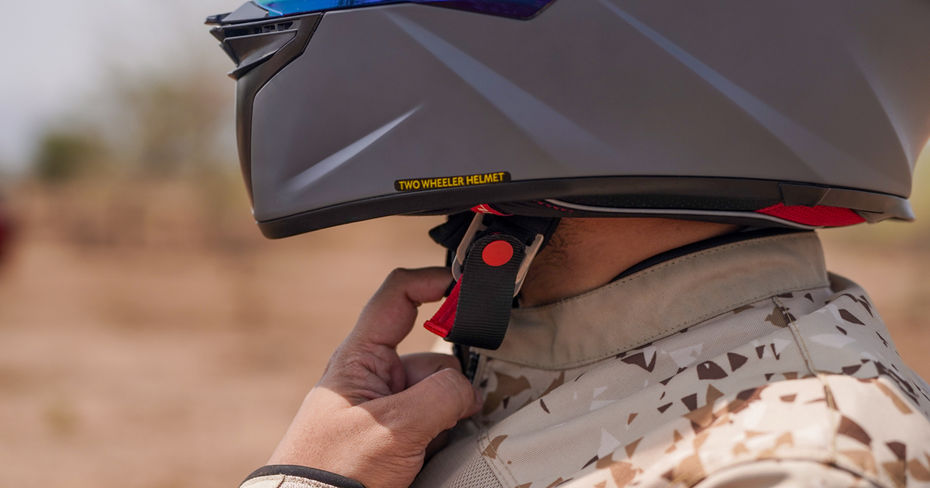
You should also check the helmet strap. It should either have a micrometric buckle or a double D-ring, although we recommend the double D-ring because it is safer. That said, it is advisable to choose a helmet with removable padding so that you can take it out and clean it occasionally. By following these, you can decide which helmet is the right choice for you.
Riding Jacket And Riding Pant
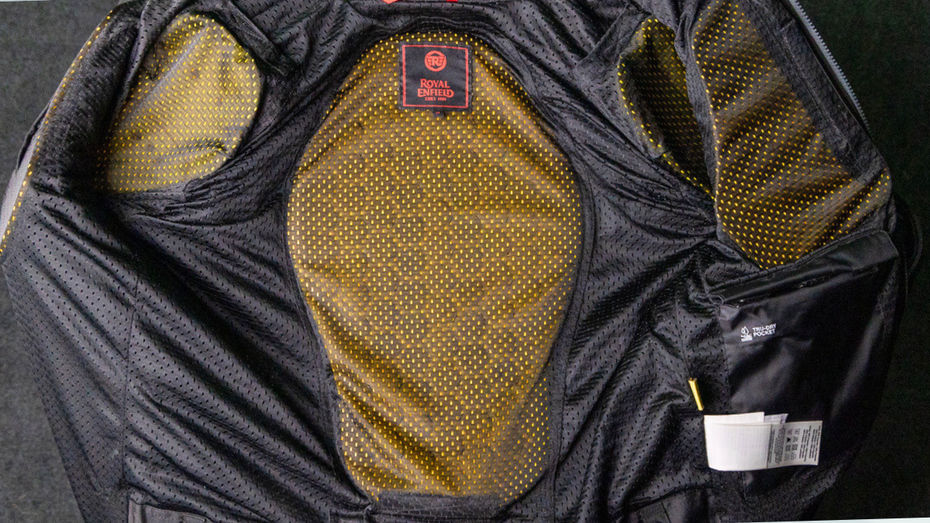
Choosing these is relatively easier. If you live in hotter regions of the country, you need ventilated gear. If you live in colder regions, you will need insulated gear – non-perforated and with thermal padding or liners. A jacket should have back, shoulder, and elbow protectors. Pants should have hip, and knee protectors. We also have a detailed guide to help you buy riding pants.
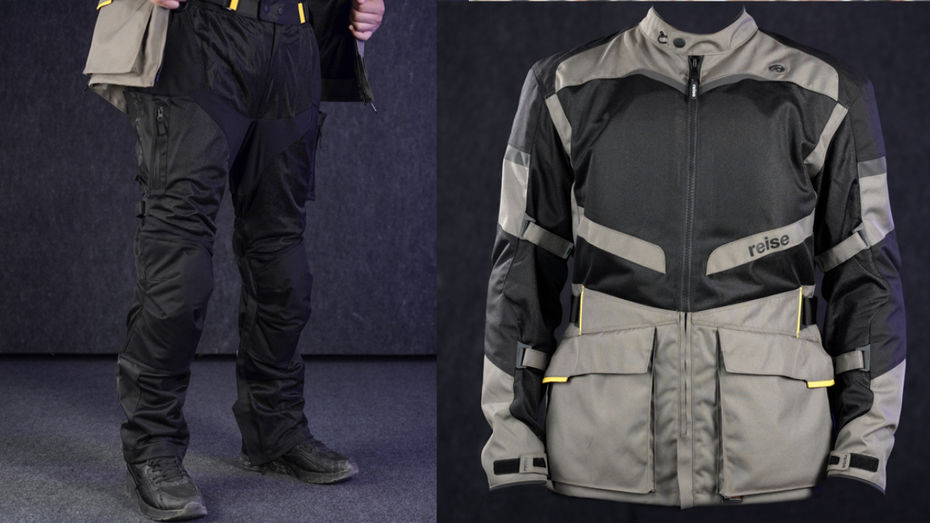
You should also check the certifications for the protectors in your jacket and pants. Level 2 CE-certified are the best, but these can make for expensive gear. The bare minimum should be Level 1 CE-certified protectors.
Gloves
The process of choosing riding gloves is also quite similar. First, consider the weather conditions as well as your riding style. If you live in a hot and humid area, choose gloves with better ventilation. If you ride in colder regions or areas with frequent rain, you can opt for winter or waterproof gloves.
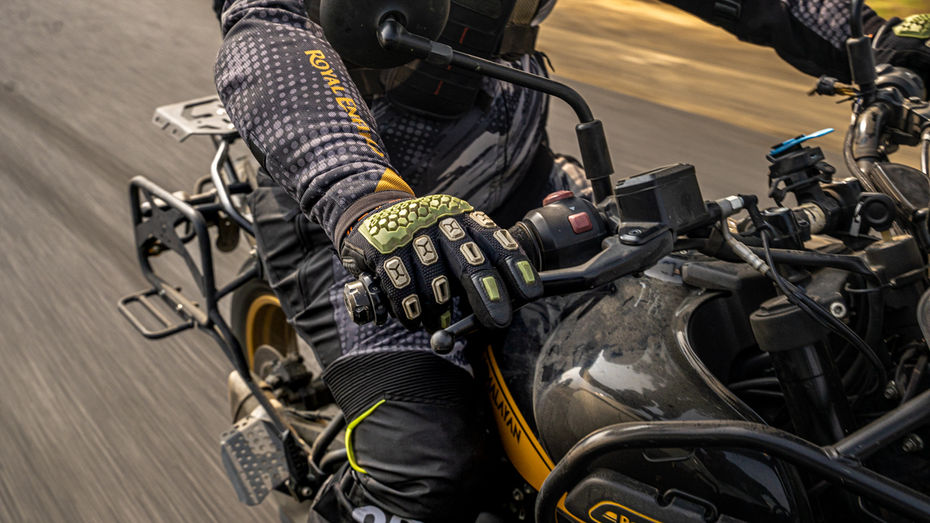
Next, try the gloves to make sure they do not feel uncomfortable, and that they allow proper movement. Restricted movement can affect your riding experience because your hands are constantly connected to the motorcycle and control throttle, clutch, brakes, and other functions.
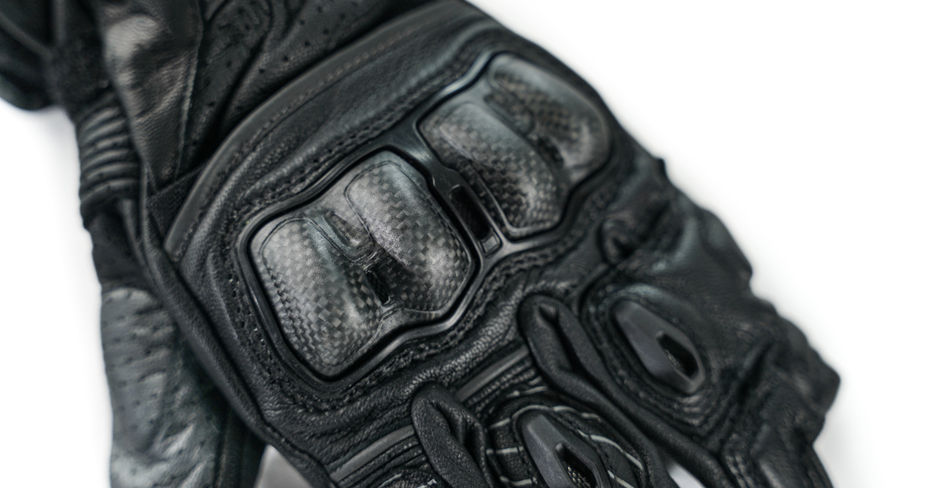
You should also ensure that the gloves have at least knuckle and scaphoid impact protection. Finally, check if the gloves are CE certified.
Boots
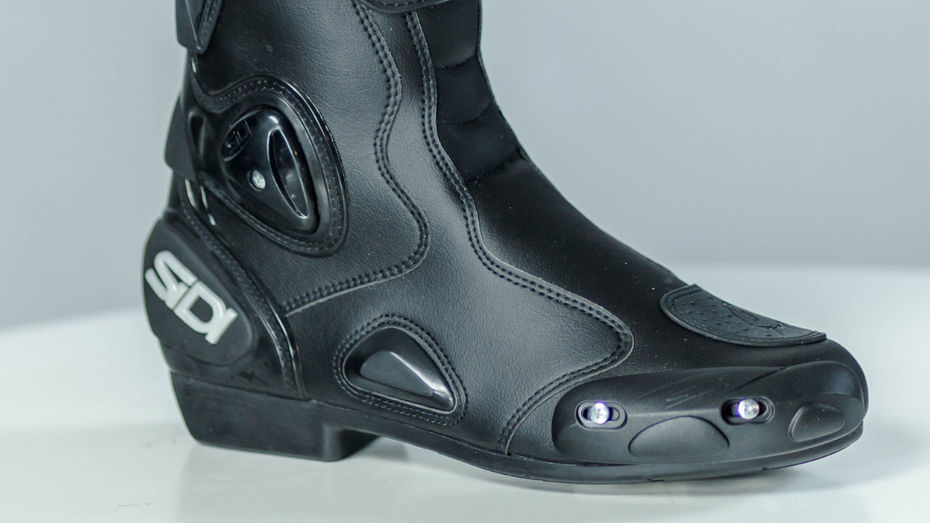
Choosing riding boots can be a tricky process because it majorly depends on your riding style. Different types of boots are designed for different styles of riding, such as touring, adventure touring, city commuting, motocross and racing. However, you would be better off with CE-certified full-length boots, since these offer the most protection. Look for boots with toe sliders and stiff ankles. It’s important that you choose riding boots and not work safety boots or military boots for riding, as they do not offer the same level of protection.
