

Essential Motorcycle Riding Jacket Care & Maintenance Tips


A little care goes a long way in keeping your riding jacket in top shape
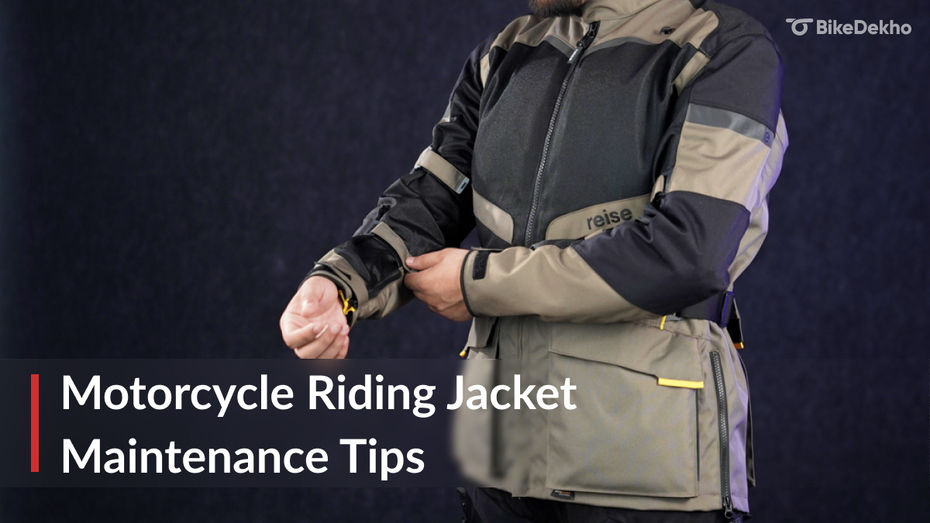
Most riders don’t think much about jacket care until the day their gear starts smelling weird, or a zipper jams right when they’re heading out for a ride. And honestly, we all do this — we treat our jackets like they’re indestructible just because they’re built tough. You buy a good one after a fair bit of scouting, and then that’s it. It becomes the thing you toss on the seat, stuff into the corner of a cupboard after a monsoon ride or hang behind the door without a second thought. But dirt, sweat and sun quietly chip away at a jacket, even if you don’t notice it day to day. You should know that most jackets fail not only because of a crash, but also because basic care is ignored. And once you start paying attention, you realise maintaining a jacket isn’t some big project. It’s just a few small habits that keep your gear protective and comfortable for years.
Understanding The Fabric: Start With The Label
The first step is actually knowing what your jacket is made of. Mesh behaves very differently from a laminated waterproof shell, while leather needs a much different kind of care. Textile jackets (which are what most people in India ride with) can take abuse, but they don’t like hot water or strong detergent. Waterproof membranes need even gentler handling. A lot of riders throw everything into the machine and hope for the best, but if you look at care instructions from any major brand, they all say the same thing: check the label before washing. Many jackets use coatings that help water bead off the surface, and those coatings get damaged easily if you treat the jacket like normal laundry.
Remove The Armour — Every Time
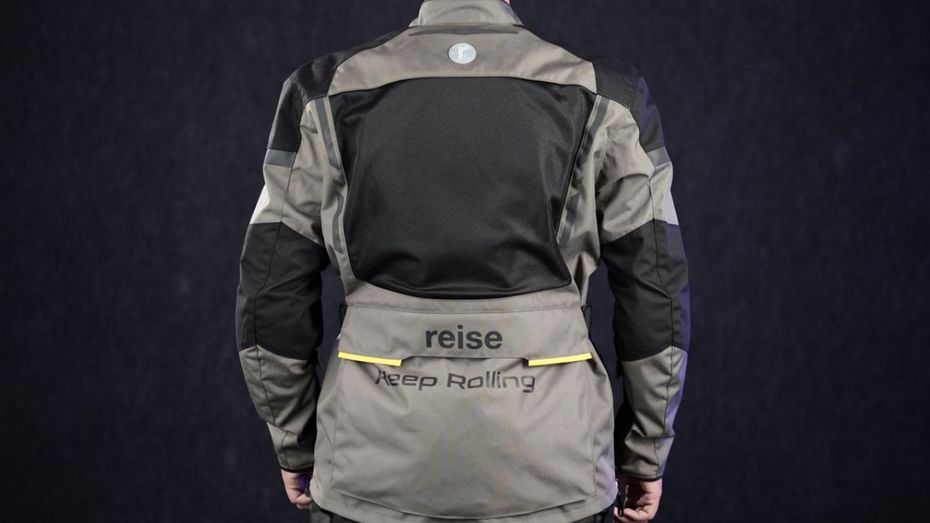
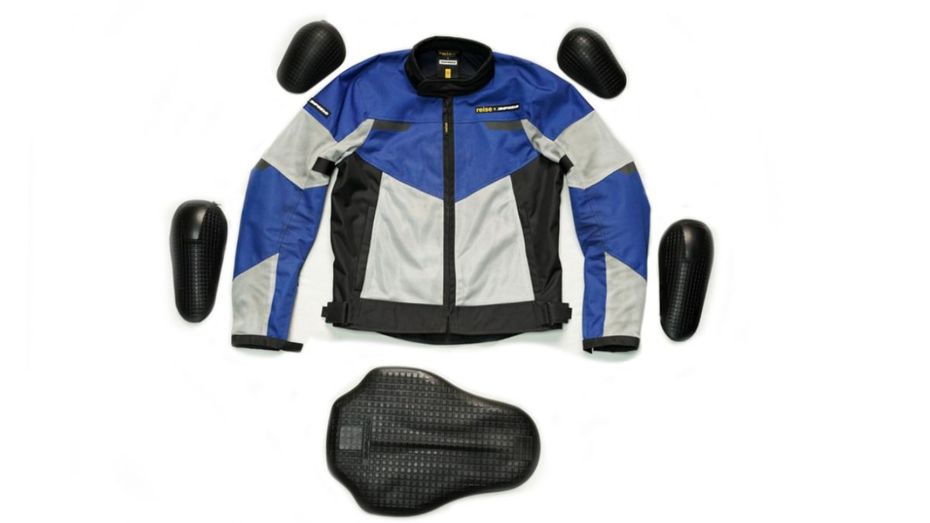
Armour pockets trap sweat, dust and even fine sand if you ride off-road. Leaving armour inside during a wash is a fast way to deform both the pocket and the protector itself. Most protectors only need a quick wipe-down and some air. Don’t soak them. They aren’t meant for that. If your jacket has a thermal and/or waterproof liner, remove it as well. These parts often have different care needs. Close all zippers, Velcro tabs and fasten any straps, open tabs can snag or damage the outer fabric during cleaning.
Cleaning A Textile Jacket
Textile jackets are easy to maintain but need the right approach. First of all, check the label for a suitable type of washing (a gentle hand wash is what is recommended widely). Stick to cool or lukewarm water and a mild detergent if your jacket has a water repellent or breathable layer. Fabric softeners or bleach are an absolute no-no, they can clog the pores of the breathable layer. Only use a soft sponge or brush if needed and once it’s clean, rinse it well so there’s no soap left behind.
Leather Needs More Love
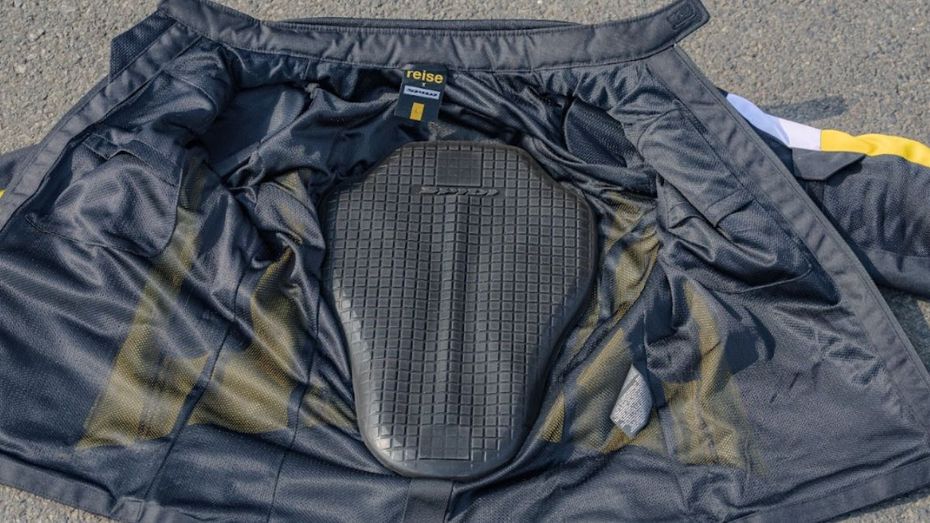
Leather jackets demand a gentle hand. They don’t like water, detergent, and absolutely not a washing machine. All you really need is a soft, damp cloth to wipe off the dust, dirt and the occasional bug smear. When the jacket starts looking tired, bring out a proper leather cleaner and then work in a conditioner — that’s what keeps the material soft and prevents it from drying out. Those who ride in harsh weather can also give the jacket a light layer of wax or protector for some added defence against rain and sunlight.
If your jacket ever gets wet, hang it on a broad hanger, in a shaded spot and let it dry naturally. Direct sunlight or heaters might speed things up, but they’ll harden the leather and eventually lead to cracking.
Drying Your Jacket: What Most Riders Get Wrong
Sunlight is the silent killer of riding jackets. Drying your jacket under direct sun or near a heater significantly weakens fibres, fades colour, and dries out the material. Instead, hang your jacket in a cool, well-ventilated spot and let it air-dry naturally. Always use a strong, broad hanger;wire or skinny hangers may deform the shoulders.
Resist the urge to wring or twist for quick drying. You may, instead, stuff the jacket lightly with newspaper (on the inside). It will help absorb moisture and speed up drying — again, only in the shade.
Bringing Back The Water Resistance
Jackets with a water-repellent coating may need reactivation after a few washes. And the best part, you don’t even need fancy equipment for that. To revive the original coating, gently warm the outer shell using a hairdryer on a low setting or leave it in mild sunlight for a short period. If you still notice water soaking in instead of beading off, it’s time to reproof it. Most gear shops sell sprays or wash-in waterproofing solutions. Apply them after cleaning — it helps restore that water-repelling finish that keeps you dry in a downpour.
Zippers, Velcro and the Little Things
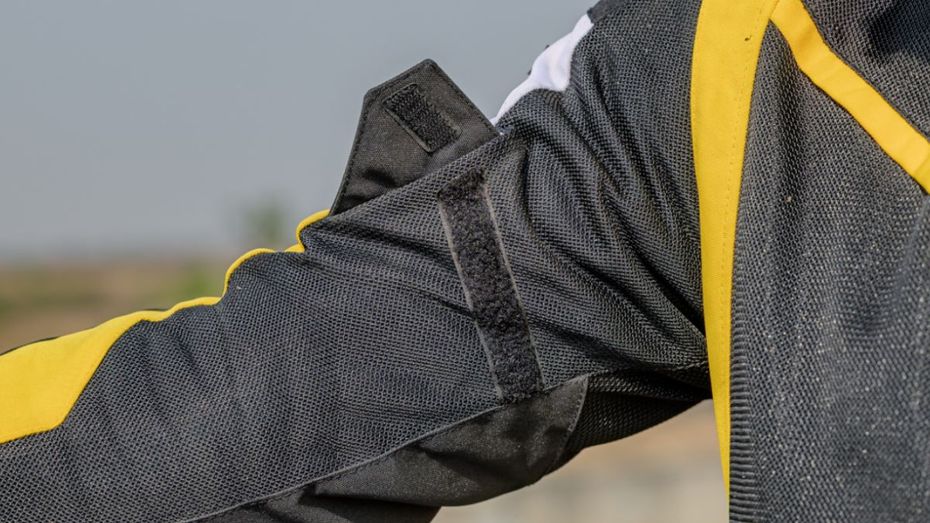
It’s not always the big jobs that kill a jacket — small issues left untreated do. Even a tiny rip gets noticed easily, while we usually ignore zippers, snaps, and Velcro tabs. Zippers collect dust faster than you think, especially on mesh jackets. A soft brush and a bit of silicone-based lube keep them working smoothly. Velcro straps lose grip because they trap lint; cleaning them out takes two minutes and makes the jacket feel new again. These small bits are usually where a jacket fails first because we tend to forget them entirely.
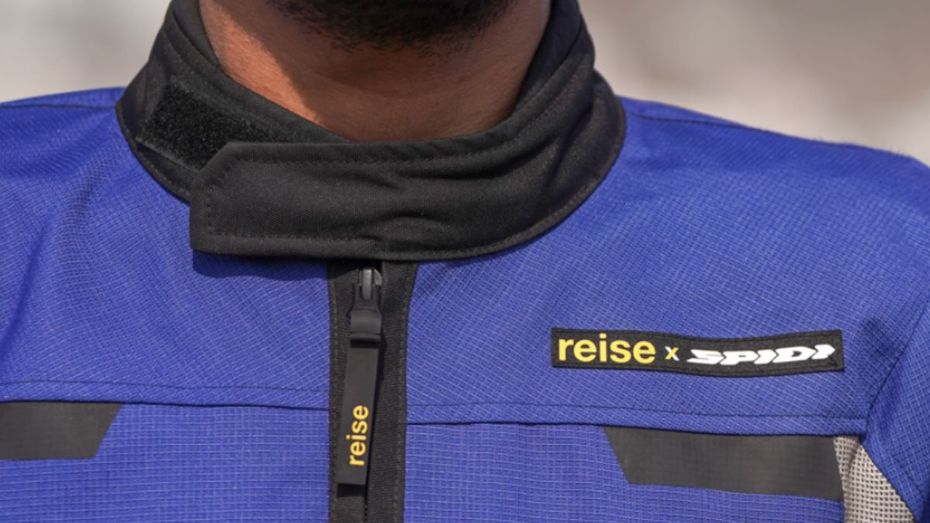
Storing The Jacket Correctly
A riding jacket should never be stuffed into a corner like a hoodie. Use a wide hanger so the shoulders don’t deform. Keep it somewhere dry. During monsoon, even if you haven’t been riding, air the jacket every few days because humidity alone can trigger mold. And if you ride often, leaving the jacket in your top box or tail bag for days isn't great — it traps moisture and makes the fabric age faster.
Knowing When Your Jacket Is Near The End
Even with great care, nothing lasts forever. Armour pockets should not stretch to the point where protectors move around while riding. Seams shouldn’t show loose threads. Zippers shouldn’t skip teeth. At some point, even with the best care, a jacket retires. The idea of maintenance isn’t to stretch its life unnaturally — it’s to get the most value and safety out of it before it naturally ages.
Why Jacket Care Actually Matters
Your riding jacket is more than a shell against wind or rain — it’s your companion on every ride. Taking care of it doesn’t require as much effort as it requires intention. Clean it once in a while, store it well, keep the small things in check — and it will protect you the way it was designed to. The best part is, once you get into the habit, the whole process becomes second nature.