

Explained: SOHC vs DOHC - The Complete Beginner’s Guide


What it really means, and how it matters
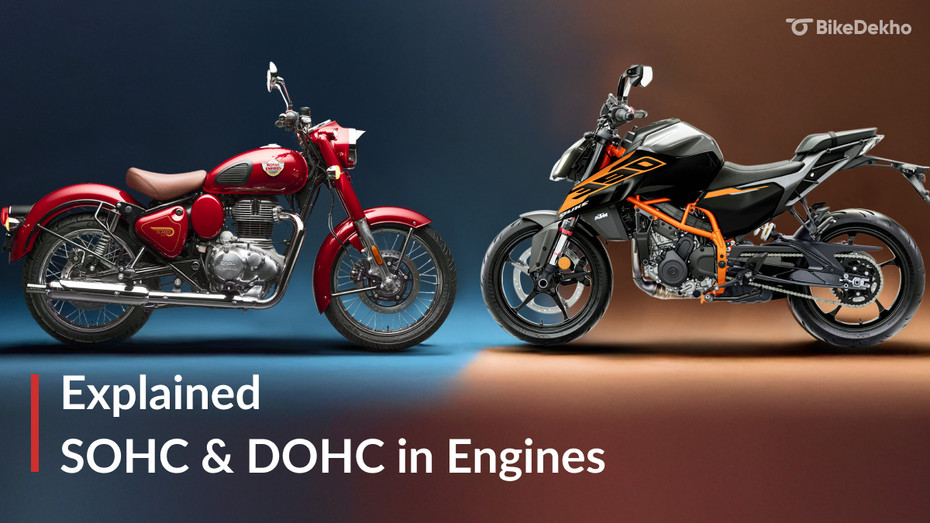
When it comes to reading bike and scooter brochures, people generally tend to check power and torque figures first, and with good reason. However, there’s more to the character of an engine and how it behaves out in the real world than just outright performance numbers. For example, the difference between SOHC and DOHC. You might have heard these terms before but probably never paid attention to them. It’s easy to ignore or overlook these terms since they feel like hard-to-understand technical terms.
So, in this story, let’s break them down once and for all. We will explain the practical differences, the trade offs, and what they mean when you are buying a bike.
What exactly does Single Overhead Cam and Double Overhead Cam mean?
To start off easy, let's expand what these mean. SOHC stands for Single Overhead Camshaft, or Cam, while DOHC stands for Double Overhead Cam. A ‘cam’, simply, is a rotating rod. The cam opens and closes the intake and exhaust valves of an engine. In an SOHC setup, there’s only one rod that controls all the valves, whereas in a DOHC setup, there are two rods – one controls the intake valves, other controls the exhaust valves.
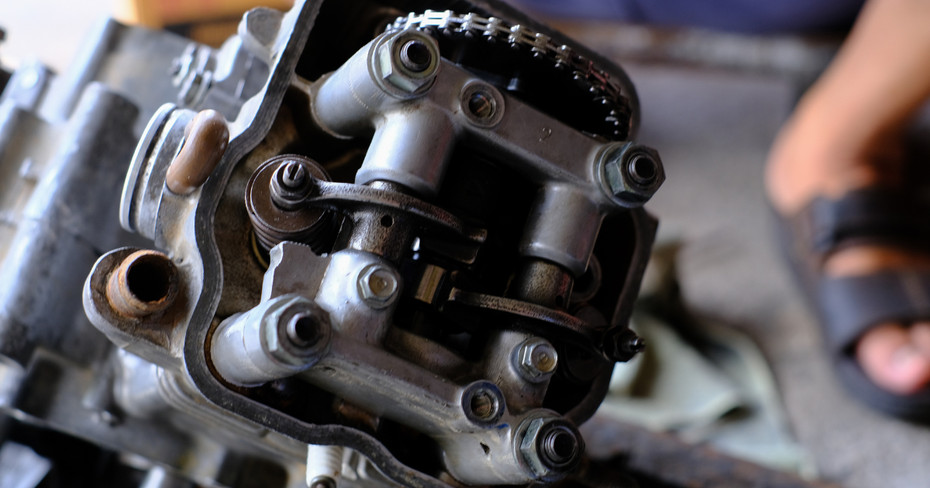
How do camshafts actually work, and what does overhead mean?
Camshafts have lobes that push on valve followers, rocker arms, or direct tappets to open valves at precise times. Overhead means the camshafts sit in the cylinder head, above the combustion chamber, rather than down in the block. In a four stroke engine, the camshaft turns at half the crankshaft speed, because the valves complete their open and close sequence once every two crank rotations. The cam timing is driven by a timing chain, timing belt, or gears that link the camshaft to the crankshaft.
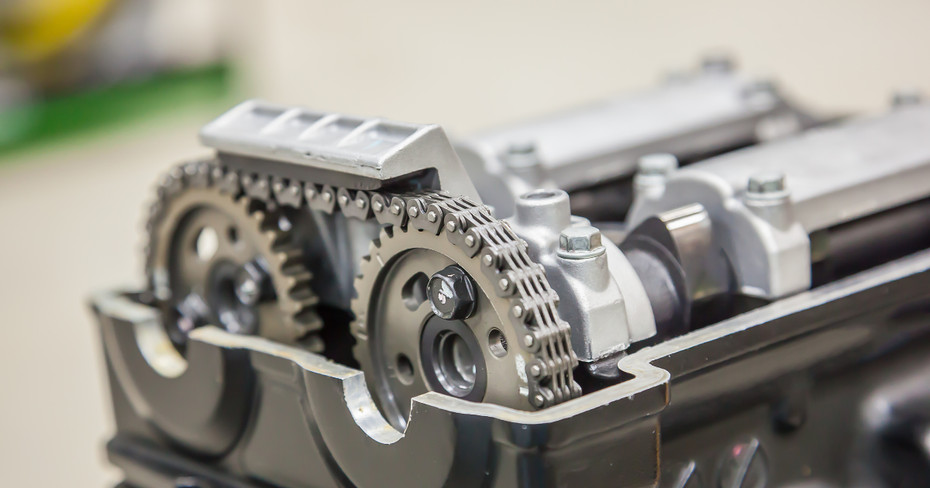
Mechanically, how do SOHC and DOHC differ?
The headline difference is the number of camshafts. With SOHC a single cam runs both intake and exhaust, often using rocker arms or a combination of rocker and direct actuation. With DOHC separate cams allow more direct control over intake and exhaust valve timing, and a simpler path to use more valves per cylinder. DOHC cylinder heads tend to be wider and heavier, because they house two camshafts, but they also allow straighter, more efficient intake and exhaust ports.
Why do valves per cylinder matter?
Valves per cylinder determine how easily the engine breathes. A two valve layout, one intake and one exhaust, is common on simple SOHC engines. Four valve layouts, two intake and two exhaust, are common on DOHC designs, because two cams make it easier to position valves at better angles, and to open them with high lift and short rocker geometry.
SOHC vs DOHC - Which is better?
DOHC typically wins when you want high revving peak power. Two cams, more valves, and better port geometry let an engine inhale and exhale more efficiently at high rpm, so sportbikes and performance engines favour DOHC. SOHC engines usually produce good low end and mid range torque for everyday use, with simpler construction and lighter weight that suits commuter bikes, retro standards, and many cruisers. In real world riding, a well tuned SOHC engine can feel smoother and more usable in daily traffic, while a DOHC engine will reward you with a stronger top end and a more urgent power band.
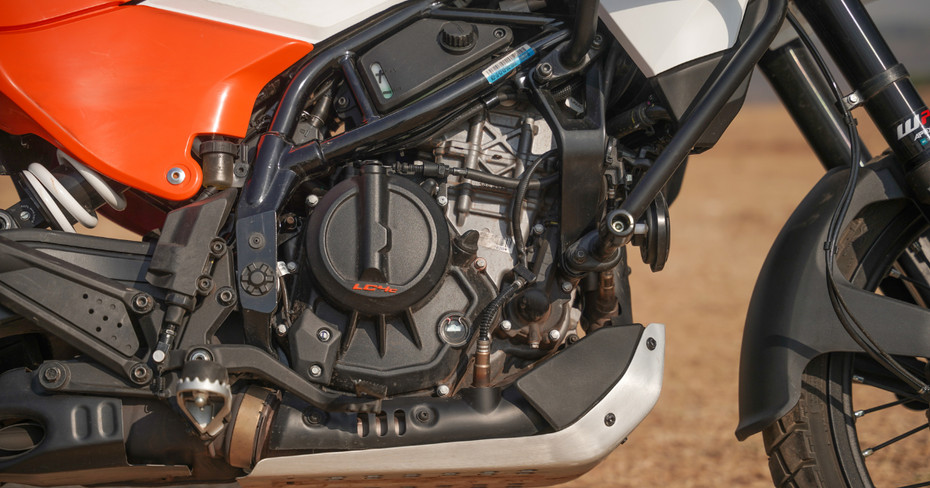
What about cost, fuel efficiency, and reliability?
Manufacturing costs tend to be higher for DOHC. That usually flows to the buyer in sticker price and to the owner in parts cost when servicing valvetrain items. Fuel efficiency is not determined solely by cam arrangement. A DOHC engine tuned for high rpm power may be less efficient when ridden hard, while a SOHC engine tuned for city use may return better economy in similar conditions.
In terms of reliability, both systems can be extremely durable. SOHC has fewer parts that can fail, which is an advantage, but modern DOHC engines are also reliable when maintained properly.
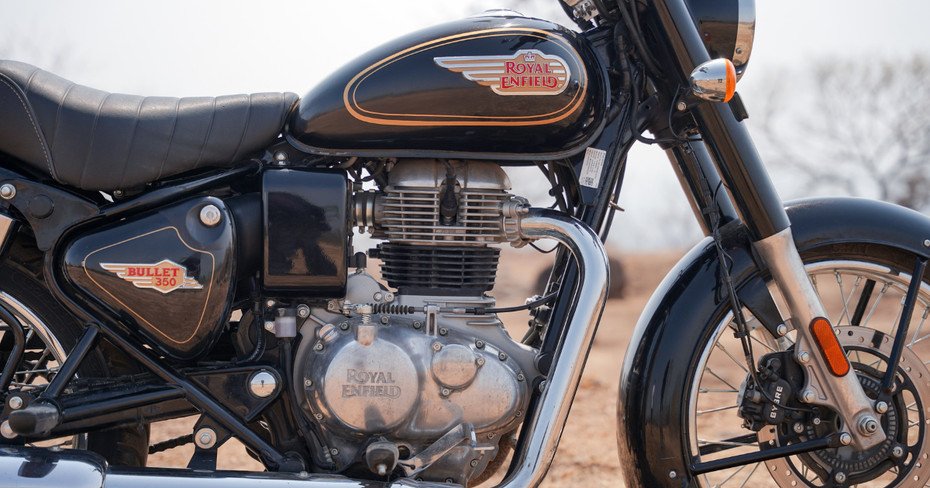
Which motorcycles use which type of cam layout?
Performance oriented sportbikes and modern higher revving engines commonly use DOHC. Small to medium displacement commuter bikes and some cruisers often use SOHC for its simplicity, narrow packaging, and lower cost.
SOHC vs DOHC: The final takeaway
Think of SOHC as the sensible, simpler, often cheaper option that shines where everyday usability, low cost, and ease of maintenance matter. Think of DOHC as the performance oriented tool, offering better breathing and greater tuning flexibility, especially for higher rpm power. However, don’t let any of this affect your buying decision – it should solely be dependent on how comfortable you feel while riding the bike and whether it clicks with you. And you will only understand that by riding the bike, not by just reading a brochure.
1 out of 1 found this helpful