

Speed Wobbling On Bikes: What It Is, Why It Happens, And How To Handle It


This explainer should make all the difference in case you ever experience one!
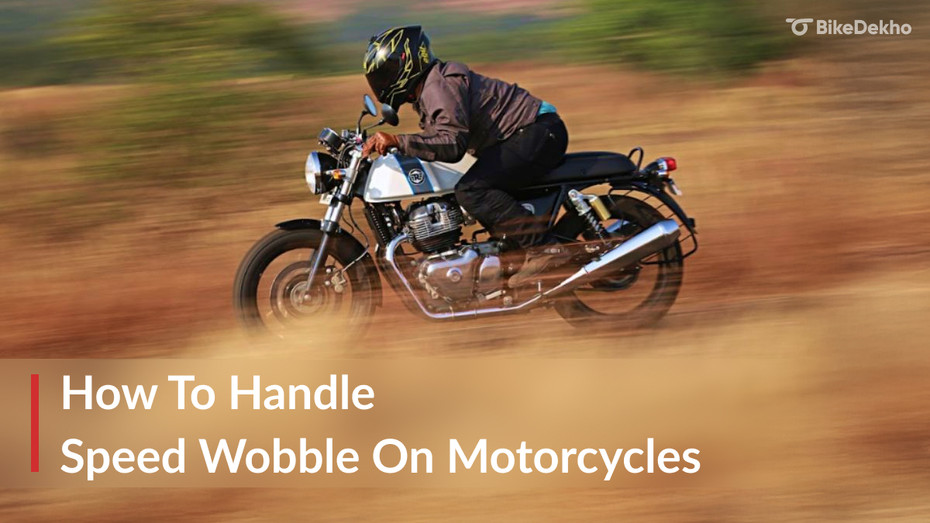
Speed wobble — also called shimmy, death wobble, or simply a tank slapper in more extreme cases — is a rapid oscillation of the bike’s front wheel. This isn’t simply vibration: in severe cases, the oscillation can grow rapidly and compromise rider control. Such a wobble often occurs between 50kmph and 100kmph, driven by a shift in mass to the front when the rider accelerates or slows, and then releases. Wobbles may start suddenly, and trying to accelerate out of them may only make the motorcycle more unstable. So, let’s understand what its possible causes are and how we can ride safely through.
Why Speed Wobble Happens: Key Causes
Speed wobble isn’t some mysterious gremlin hiding in the frame. It usually stems from a set of very real mechanical or riding-related triggers that align at the wrong moment. Think of it as the bike telling you something’s out of sync. Here’s what typically sets it off:
Tyre Issues
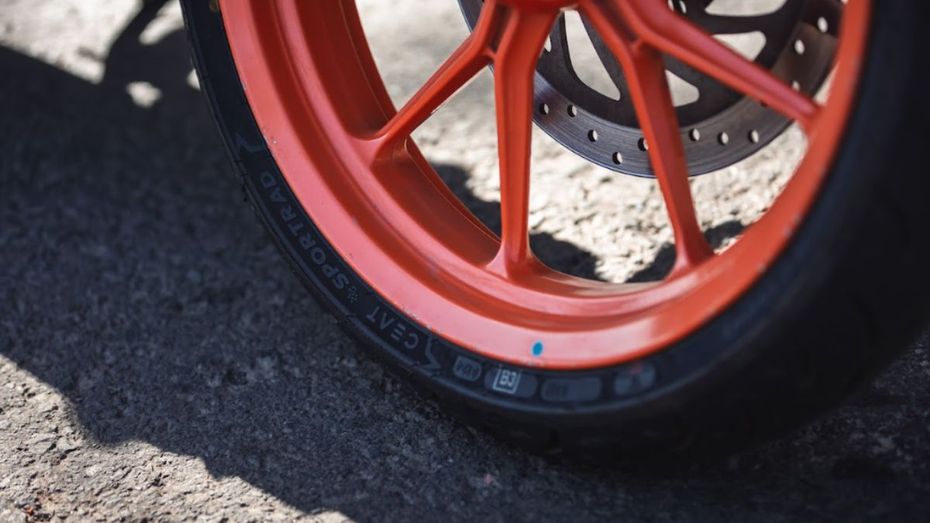
Tyres are the first suspects. If the pressures are off—too high or too low—the front end loses its natural stability. A worn tyre, or one that hasn’t been mounted perfectly on the rim, can also throw the wheel off balance. And if your wheel balancing weights have fallen off, even by a little, that uneven rotation can quickly turn into a wobble at speed.
Bearing and Steering-Head Play
Your steering head and wheel bearings play a bigger role than most riders realise. When they’re worn out or slightly loose, the front end gets extra play. That tiny bit of movement is enough to let the handlebar oscillation begin—and once it starts, it only gets worse with speed.
Suspension And Frame
Incorrect suspension settings are another common trigger. The bike can feel vague or floaty if the fork is on an extremely soft or the damping is not proper. Bend in the fork tube, misaligned frame and worn-out suspension or frame components are other common reasons for wobbling.
Load and Weight Distribution
The front to rear weight ratio of a regular motorcycle is around 50:50 for best handling, while sportbikes and track focused machines are kept slightly front-biased for speedy directional control. Overloading the rear with panniers or uneven luggage can unload the front wheel and make it twitchy. Even a pillion sitting extremely backwards can disturb the ratio and make your bike unstable.
Aerodynamic Factors
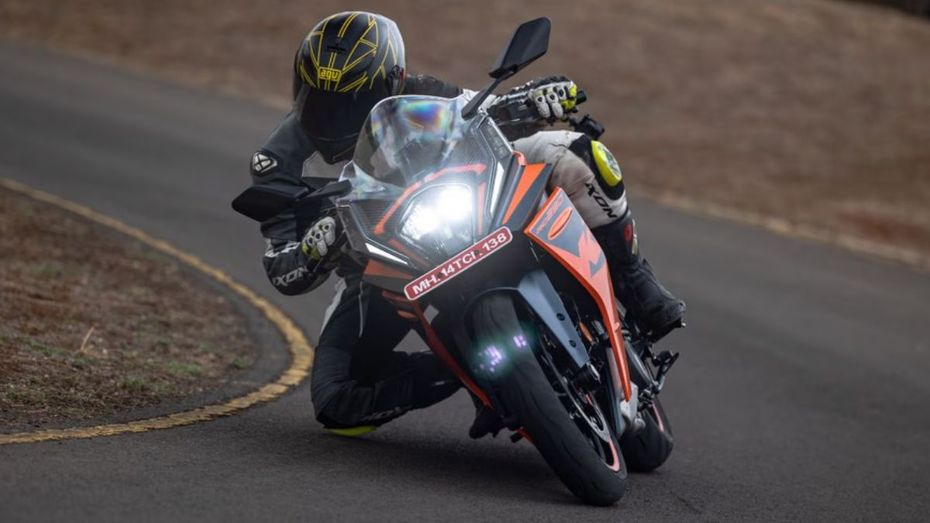
High wind resistance affects the stability of your bike. Two-wheelers, as well as their official accessories, are designed considering this fact. However, aftermarket accessories, such as tall windscreens or large top boxes, may resist airflow. This resistance increases with the speed, eventually making your bike unstable. Similarly, a loose jacket may also catch the wind at high speeds, causing wobbling.
External Conditions
Considering the current situation of our roads, it won't be wrong to expect the road to throw the first punch. A sudden encounter with a pothole, or a patch of broken tarmac, is not rare in India, making the road a prime suspect in unsettling the wheel. Apart from that, large vehicles (such as trucks and buses), throwing strong crosswinds and turbulent air when they pass by at a high speed, may also shake your control over the bike.
Rider Behaviour
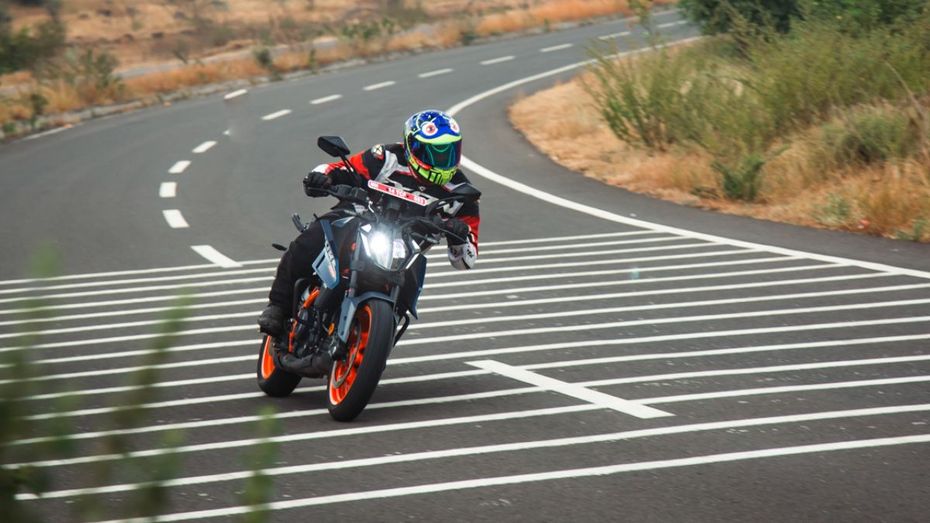
The most crucial fact still is how you ride your bike. Abrupt throttling shifts weight quickly, loading and unloading the front suspension. And if the front wheel lifts—whether intentionally or on an undulation—and lands at an angle, the steering can kick into a wobble instantly.
How to Prevent Speed Wobble
Speed wobble is easier to avoid than to fight once it starts, and most of the prevention comes down to basic care and good riding habits.
Start with Your Tyres
Make tyre checks a habit. Run the pressures your manufacturer recommends, not what “feels right.” Low or overfilled tyres both mess with stability. Keep checking tyres for tread wear and uneven patches or cuts. Do not ride below 1.6mm of tread depth and replace tyres before they completely lose their shape. Also, make sure the wheel is properly balanced and that the tyre is seated evenly on the rim — small mistakes here show up brutally at speed.
Keep Bearings And Steering Tight
Every now and then, lift the front end and feel for looseness. If there’s even a hint of clunk or side-to-side play, it needs adjusting. The same goes for wheel bearings — roughness or wobble means they’re on their way out.
Get Your Suspension Dialled In
Bikes (mostly commuters) with a non-adjustable suspension already come with an optimum setting, while you need to get it dialled in for the ones with an adjustable setup. You need to set it at the correct preload and damping level as per your weight and riding style. And if your bike has taken a hit or crashed, or been ridden off-road, get the suspension and frame checked professionally. A bent component can mimic a bad suspension setup.
Watch Your Load And Aerodynamics
Keep heavy luggage low or close to the centre of gravity. Make sure your top-box and luggage panniers are mounted firmly — loose mounts create their own wind patterns at speed. The same applies to windshields or aftermarket fairings: either fit them properly or skip them.
Refine Your Riding Technique
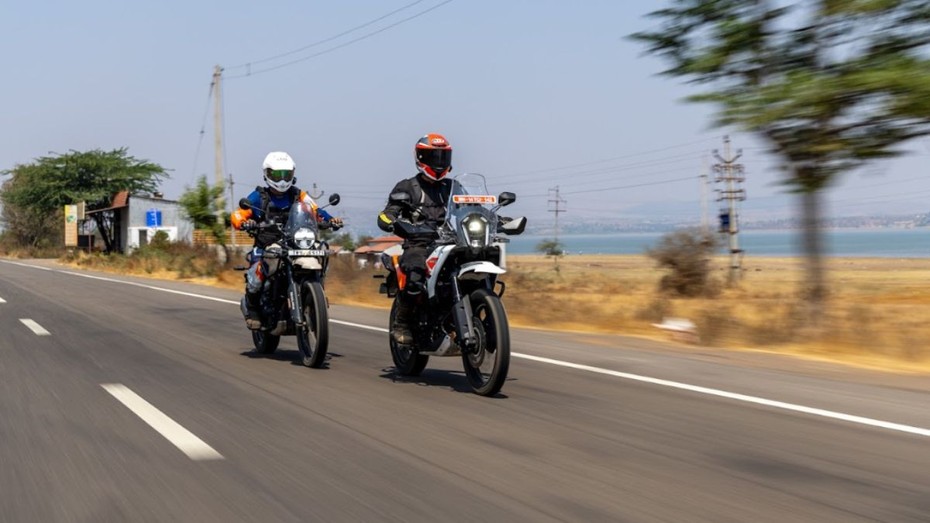
Smooth inputs keep the chassis calm. Lifting the front wheel at speed leaves it vulnerable when it touches back down. Unless you’re trained and doing it in a controlled environment, keep the wheelies for Instagram, not highways.
Consider A Steering Damper
A well-set steering damper won’t fix a bad bike, but it does help tame sudden bar shake before it grows. Many sport and ADV bikes come equipped with one, and good aftermarket options are available for most models.
Stick To Routine Maintenance
Regular servicing quietly prevents most of the wobble-related issues. Alongside, frequent checks on fasteners, alignment, bearings, and suspension health can keep your confidence unshaken. Before any long or high-speed ride, take half a minute to check tyre pressure and front-end play — it’s a simple habit that pays off.
What To Do If A Wobble Occurs While Riding
External conditions may still cause wobbling, even if you get your bike right. Here’s how to react if it happens:
-
Just stay calm; panicking or gripping too tightly can make things worse.
-
Loosen your grip slightly — let the handlebars move rather than fight them.
-
Gradually reduce speed but avoid harsh front braking. Braking can worsen wobble.
-
Shift your body forward, if possible: moving your weight toward the front helps stabilise the steering.
-
Pull off safely as soon as you can to inspect the bike.
A wobble is not just “bad luck.” It’s a physical feedback loop, where small disturbances, such as improper loading, poor tyre pressure, misalignment, get amplified through the mechanical system (forks, steering, frame) and rider inputs. Understanding this gives you an insight: you’re not just “fighting witchcraft” when handling wobble — you’re managing a real mechanical-dynamic system. Its prevention is rooted in just proper maintenance and your riding habits, and safely dealing with it is not rocket science either.
1 out of 1 found this helpful