

Quickshifter and Auto Blipper Explained: Motorcycle Basics


What they do, how they work, when to use them, and what to watch out for
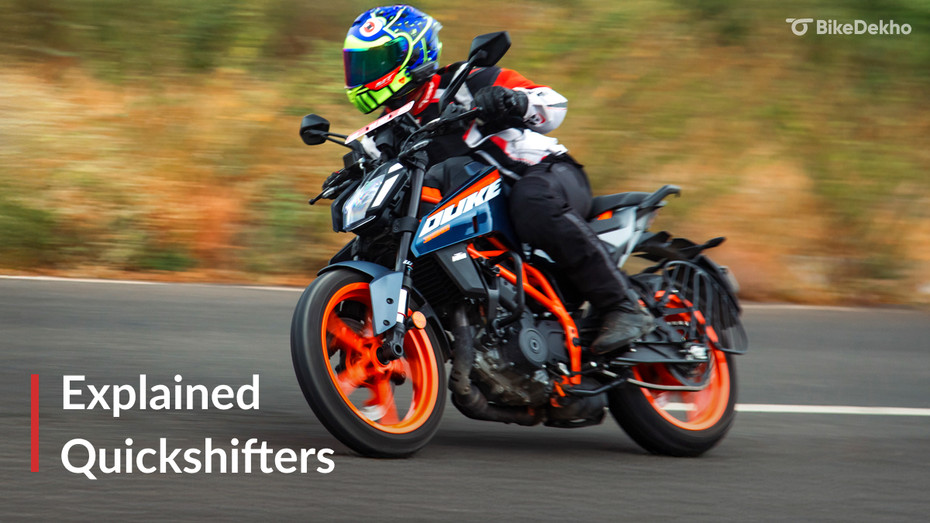
Modern motorcycles promise speed without the stutter, and few technologies deliver that sensation as vividly as a well set up quickshifter with an auto blipper. In simple terms, a quickshifter lets you upshift without rolling off the throttle or touching the clutch, while an auto blipper automates the little throttle blip that smooths a downshift. Together they make acceleration feel like a continuous ribbon and braking zones calmer and tidier. The idea was born on racetracks to save tenths, but it has flowed into road bikes of all sizes, from 300s to litre class flagships in India and abroad.
How a Quickshifter Actually Works
To change up a gear cleanly in a constant mesh gearbox, you need to briefly unload the transmission so the engagement dogs can slide from one gear to the next without clashing. Traditionally you would roll off the throttle a touch, perhaps squeeze the clutch, complete the shift, then reopen the throttle. A quickshifter automates that unloading.
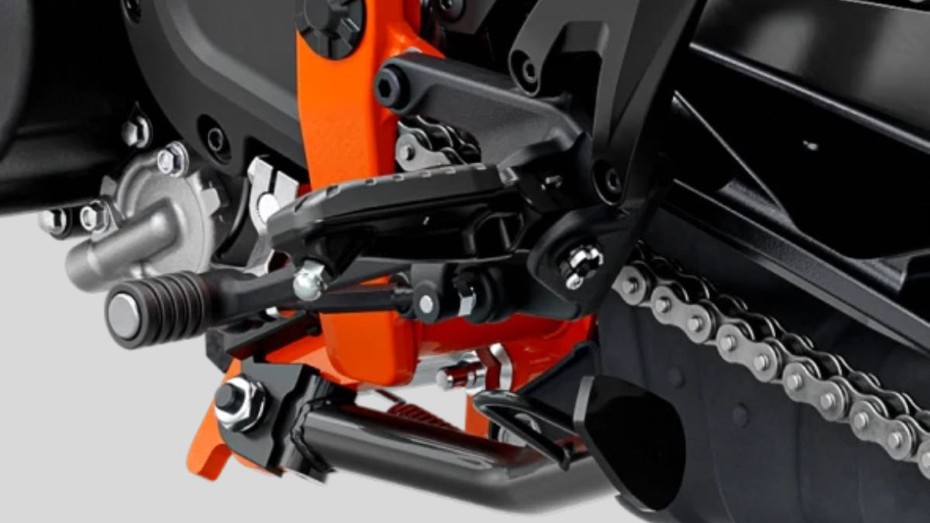
A sensor integrated into the shift linkage feels your boot’s pressure, tells the ECU that a shift is in progress, and the ECU cuts drive for an eye blink. That micro cut can be done by stopping spark, cutting fuel, closing the throttle plates on ride by wire bikes, or a mix of all three. The result is a momentary float in the gearbox that lets the next gear slip in smoothly while you keep the throttle steady. The sensation is instant and addictive when the system is calibrated well, especially above the midrange where load and wheel speed are in its sweet spot.
Sensors and Strategies
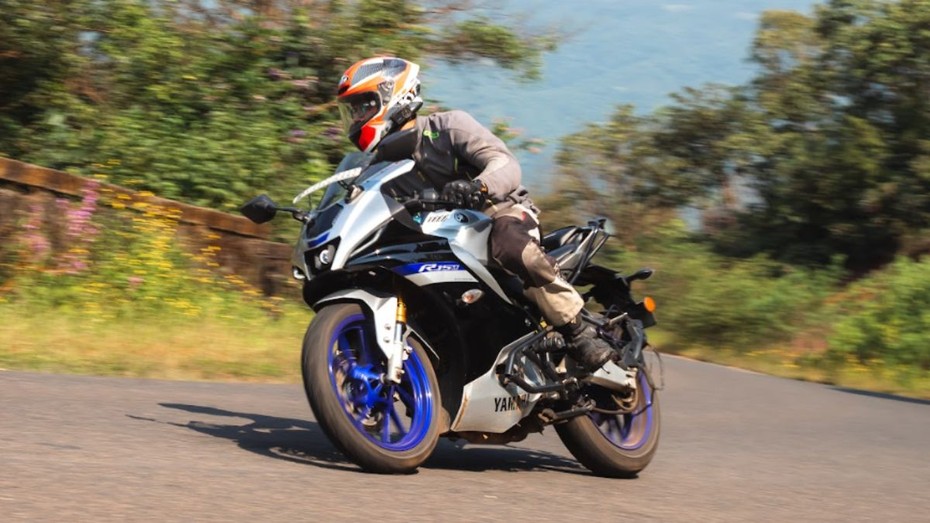
Most systems read your intent through either a simple switch or a strain gauge that senses force in the linkage. A basic switch triggers at a set force and direction. A strain gauge type can detect push and pull with finer sensitivity, so it can be tuned for different rearset geometries and rider preferences.
Once the ECU sees a valid shift request, it initiates a cut lasting only a few dozen milliseconds, typically longer at low rpm and shorter at high rpm. On older or simpler bikes this may be a spark cut alone, which can let unburnt fuel slip through during the cut. On contemporary fuel injected machines with electronic throttles, makers tend to blend throttle plate closure with fuel and spark cuts to reduce afterfire and smooth the torque dip. The better the integration between sensor and ECU logic, the more natural it feels and the less it hammers the dogs and selector forks.
Auto Blipper on Downshifts
Downshifting asks the engine to spin faster to match a lower gear at the same road speed. Riders traditionally match revs with a flick of the wrist, the classic throttle blip during a clutch squeeze, or the more athletic heel and toe in cars. An auto blipper removes the timing stress by giving the engine a precise, momentary opening as you press down on the lever.
The ECU opens the throttles just enough to raise rpm toward the target for the lower gear while coordinating with a brief clutch disengagement or torque reduction, depending on the bike’s strategy. When it works, the rear tyre remains settled, there is less driveline lash, and the shift clicks in without a shunt. This is particularly useful when you are braking hard into a corner and need to step down two or three gears in quick succession without unsettling the chassis.
Clutchless vs Quickshifter
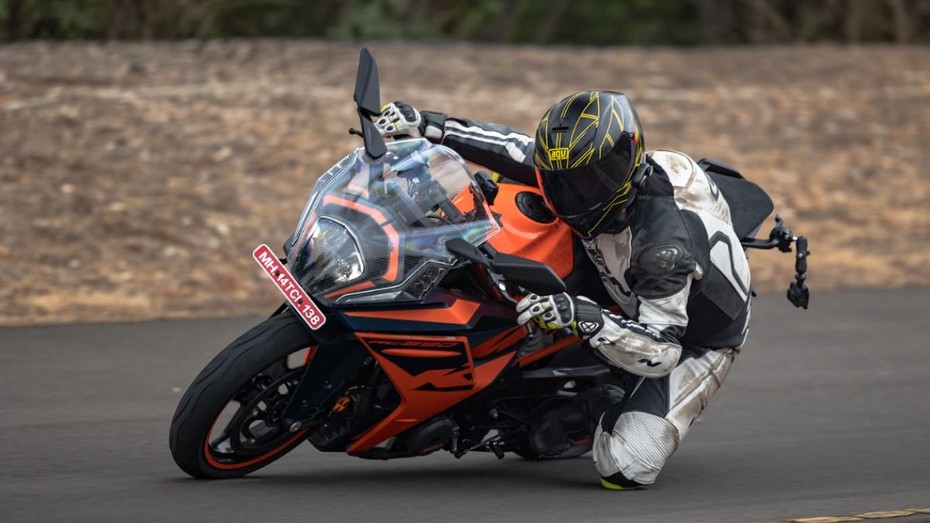
Good riders have always been able to do clutchless upshifts by the gentle roll off method and clutchless downshifts with very accurate rev matching, but it takes practice and consistency. A quickshifter and auto blipper compress that skill into electronics so that every shift has the same sharpness and timing.
The benefit is not only speed but repeatability. If you ride often with luggage or a pillion or in city traffic where your attention is divided, that repeatability helps preserve the gearbox by avoiding those half committed prods that chew at the dogs.
Where They Shine on Indian Roads
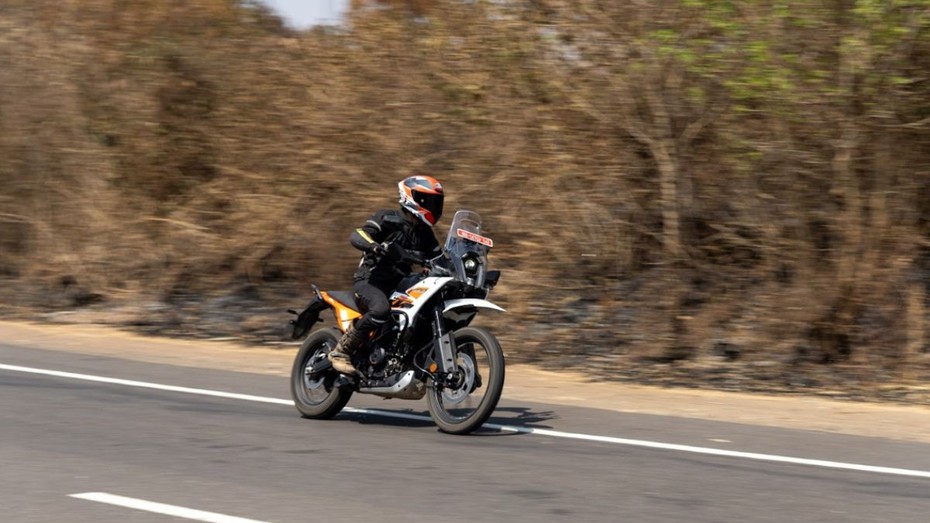
Two places reveal the value. First is an overtake on a tight two lane highway. Being able to fire two upshifts without rolling off keeps the engine in the meat of its torque and shortens the exposure time in the opposite lane. Second is a downhill section with patchy tarmac where you would like to cleanly step down gears without jabbing the rear contact patch. An auto blipper helps keep the rear composed and lets you focus on line and braking.
In the city, the glamour fades a little. At very low rpm many systems feel jerky or simply refuse to engage for self preservation. The workaround is simple. Use the clutch under 3000 to 4000 rpm depending on gearing and throttle response, or when trundling over speed breakers and in bumper to bumper crawls. Your bike and your pillion will be happier.
Best Practice for Smooth Shifts
Treat the lever like a scalpel, not a hammer. Preload the lever lightly just before the shift, maintain a steady throttle for upshifts, and complete the movement cleanly. Do not half lift or stomp. For downshifts, keep a firm braking hand and a decisive boot so the ECU sees a clear request.
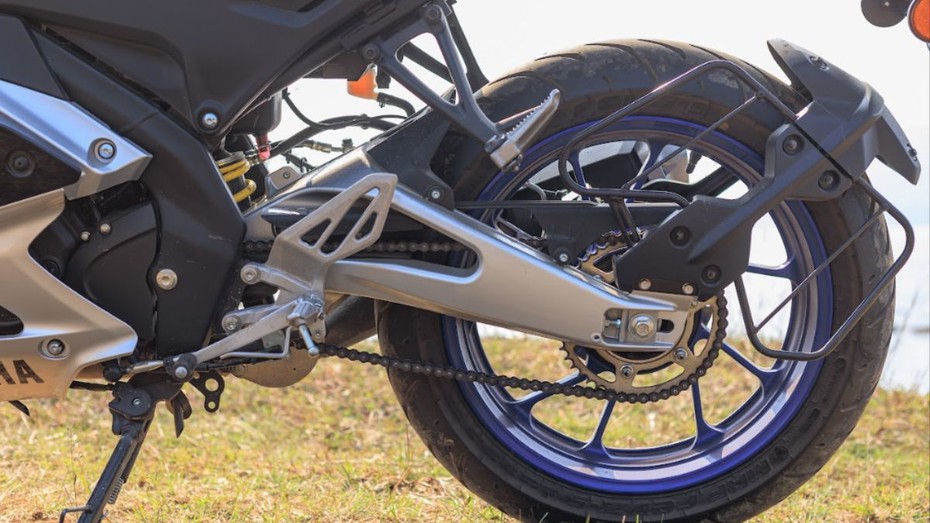
Remember that chains with too much slack, quickshifter sensors out of alignment, or a sloppy linkage make any system feel crude. Keep the chain within spec, ensure the shift rod ends are tight and parallel, and let the service centre update software when available. That alone can transform a notchy quickshifter into a crisp one.
Reliability and Wear
There is a myth that quickshifters eat gearboxes. Abuse does. A properly calibrated system used in the right rev band reduces partial load grinding and can even be kinder than inconsistent manual shifts.
Problems arise when the cut time is too short at low rpm, when riders lug the engine and demand an upshift, or when boots jab instead of preload and lift. Another villain is an aftermarket add on with generic settings slapped onto a bike with worn mounts or misrouted linkage. Factory integrated systems typically read more signals, from throttle angle to wheel speed, and time the cut with more nuance. If you retrofit, pick a brand that is known for your specific model, and spend the time to set cut duration by rpm, not a one size fits all value.
Do You Still Need the Clutch
Yes. The lever is still a friend at launch, at crawling speeds, in awkward mid corner shifts, and anytime you feel the system hesitate. The electronics are an assistant, not a replacement. On a rainy morning roll gently and use the clutch when in doubt. Over time you will sense when the bike wants to quickshift and when it is happier with a traditional squeeze.
Cost and Value in the Indian Market
Many new mid capacity motorcycles in India now offer bi directional systems as standard or as part of a tech pack. If you ride mostly highways and enjoy brisk weekend rides, the value is obvious. If your routine is dominated by short commutes and stop-start traffic, the novelty may wear thin and you may leave it alone below city speeds anyway.
1 out of 1 found this helpful