

Helmet Safety Standards Explained


What these helmet certifications mean, why they differ, and how to choose wisely for every type of riding scenario
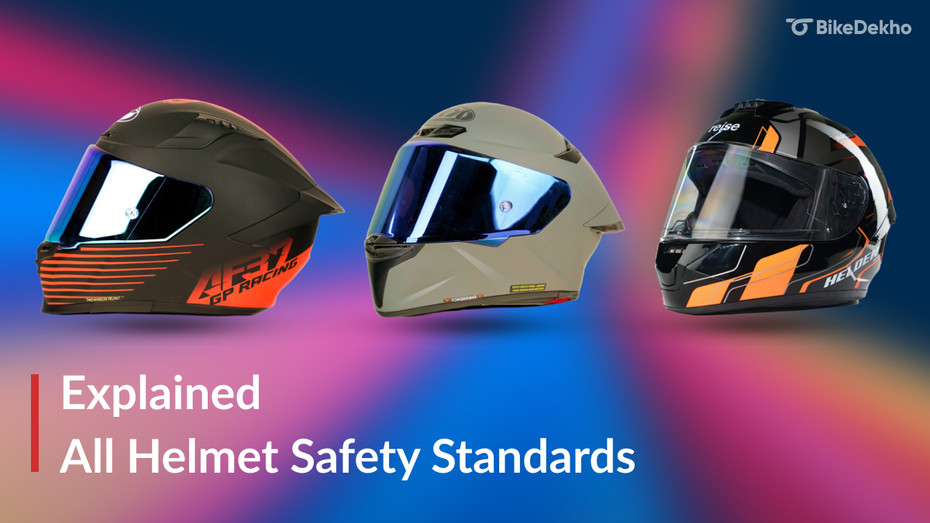
If there is one piece of kit that deserves a cool head and a clear choice, it is your helmet. Those three little terms that appear on spec sheets and stickers are not marketing fluff. DOT, Snell, and ECE are different ways the world measures how well the helmet can protect your head. When things go wrong. Each standard has its own test methods and standards. Understanding them will make you aware of what kind of protection you are actually buying and how that matters on Indian roads that mix city scrapes with highway miles.
What is DOT for Helmets?
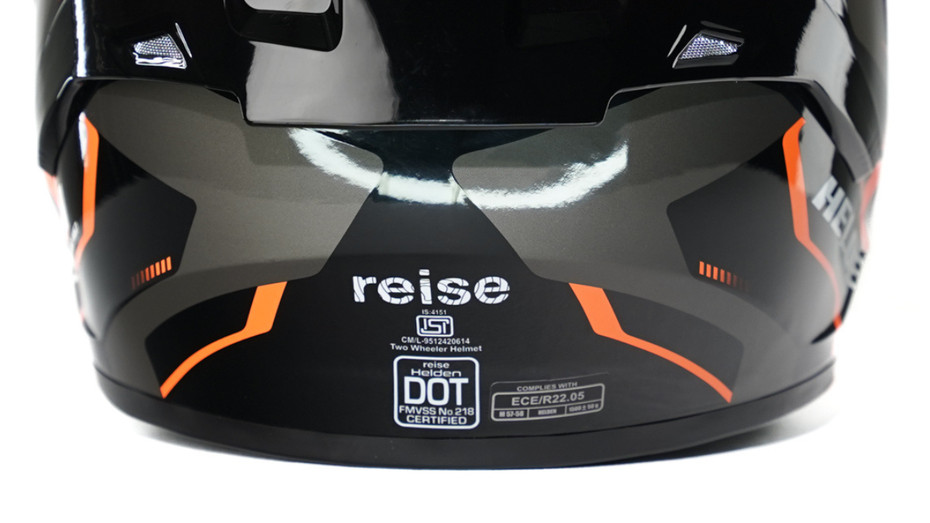
DOT refers to the United States federal standard for motorcycle helmets, known formally as FMVSS 218. It sets minimum performance requirements for impact attenuation, penetration resistance, retention strength, and field of vision, and it mandates clear labelling to show compliance. The crucial detail is that DOT is a self-certification or an honour-based system.. That means a helmet manufacturer does its own testing as per the specified procedures, and affixes the certification stamp on the helmet. While there’s no independent government testing for each certified model, authorities can perform random sample tests from helmets sold in the market. They can levy penalties or force recalls if a product fails spot checks.
That said, DOT’s standards are not that high, especially compared to the other two standards mentioned ahead. If you must choose a DOT-certified helmet, we suggest buying one from a reputed helmet brand.
What is Snell for Helmets?
Snell Foundation is a voluntary non-profit organisation created in the United States. It has set its own standards for helmet testing, which are some of the strictest in the world. It has a simple mission: push harder in the lab so that a helmet has a bigger safety margin in the real world. The current motorcycle standard is Snell M2020, offered in two versions. M2020D aligns with the older North American impact approach while M2020R aligns with European demands.
The other thing that sets Snell apart is who does the testing. Snell selects and tests production helmets in its own labs before granting certification, then continues purchasing from the market to verify ongoing conformity. The end result is a stamp that tends to appear on sport and track-focused lids with robust shells and dense liners, optimised to survive severe single hits that might occur in racing or high-speed road crashes. The trade-off can be slightly higher weight and a stiffer feel, though modern materials have narrowed that gap.
What is ECE for Helmets?
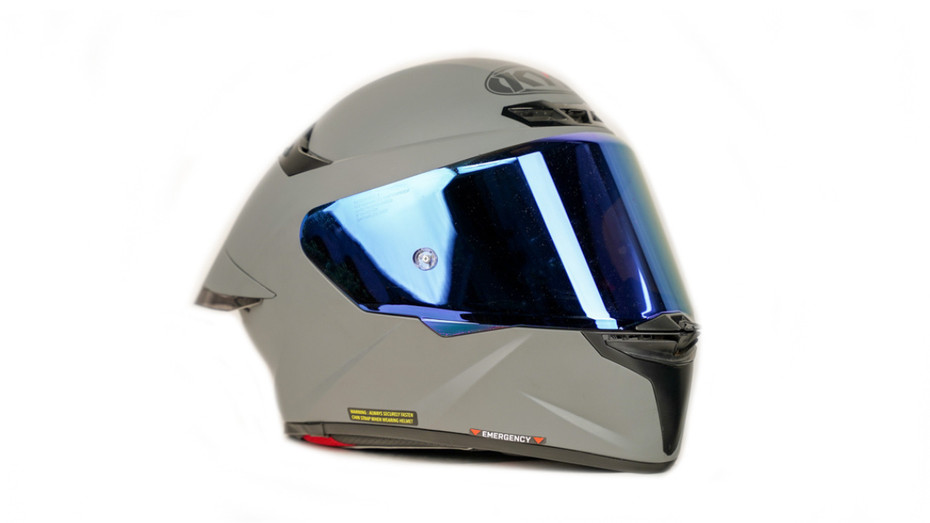
ECE is the Economic Commission for Europe standard that governs road-legal helmets across most of Europe and many other markets. The current regulation, ECE 22.06, replaced the long-running 22.05 with a comprehensive update. The rule makers increased impact speeds, expanded the number and location of test points including areas like the side and chin bar, and a whole lot more. . They tightened requirements for visors and mechanisms to ensure they stay attached and do not shatter, strengthened retention and micro ratchet performance, and added checks for sun and chemical resistance so sweat, oils, and ultraviolet exposure do not degrade protective parts prematurely.
Many notified bodies perform the tests, and certification includes conformity of production audits to ensure the helmet that reaches a shop shelf performs like the lab sample. In short, 22.06 asks a helmet to handle many kinds of impacts, from straight down to angled and off-centre, while keeping weight and comfort within sensible bounds because fit and wear time are part of safety. It too is one of the strictest standards. However, unlike Snell, ECE is a mandatory certification for all helmets sold in Europe, much like how ISI is for India.
What This Means for Indian Riders
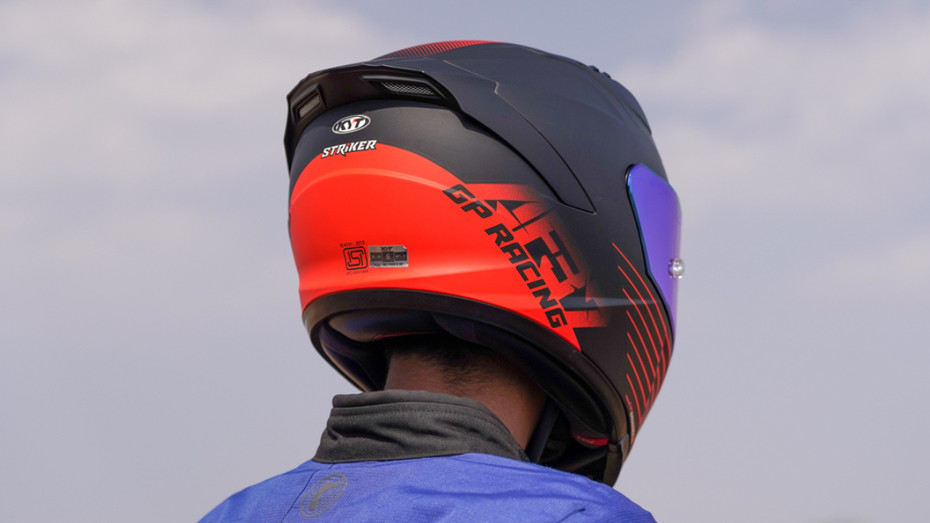
India has its own ISI and BIS marks for domestic sale. While these are quite good on their own, the foreign standards are a step up over these. That also means the helmets that are certified for those standards are generally more expensive than the ones that are just ISI-certified.
Irrespective of what certification your helmet has, it can work properly only if you wear a helmet that fits snugly around your head, and is strapped properly. That said, we have a list which contains some affordable motorcycle helmets in India under Rs 2,000, and if you are willing to spend more, than our list of the best helmets in India will be useful for you.