

Explained: Disc vs Drum Brakes - The Complete Beginner’s Guide


Brakes are the first line of defense when the situation gets tricky
Introduction
For decades, drum brakes were standard on almost every motorcycle and scooter on Indian roads. They are cheap to build, simple to service, and tolerant of dust and rough treatment. In recent years, that balance shifted. Disc brakes are now common on performance-oriented machines, and they are steadily appearing on commuter bikes as well. We explain the difference, and which one you should go for.
How does a drum brake work?
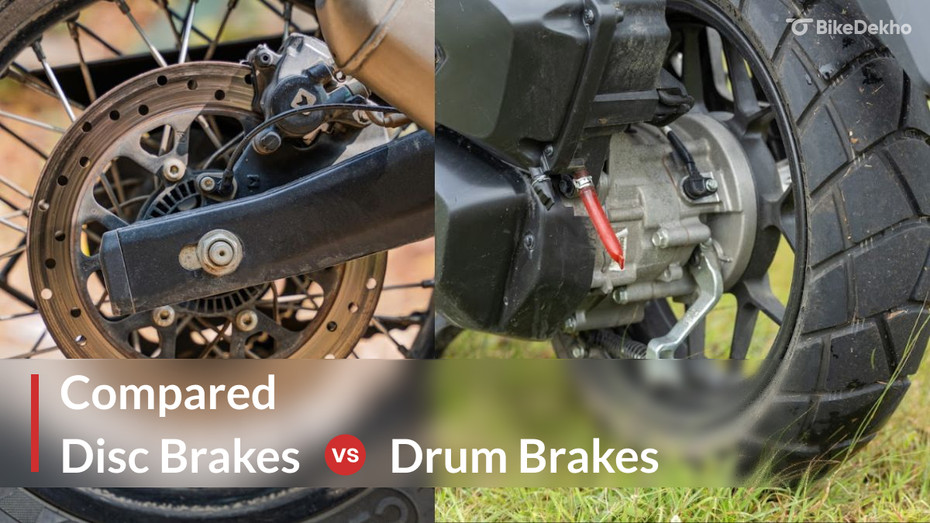
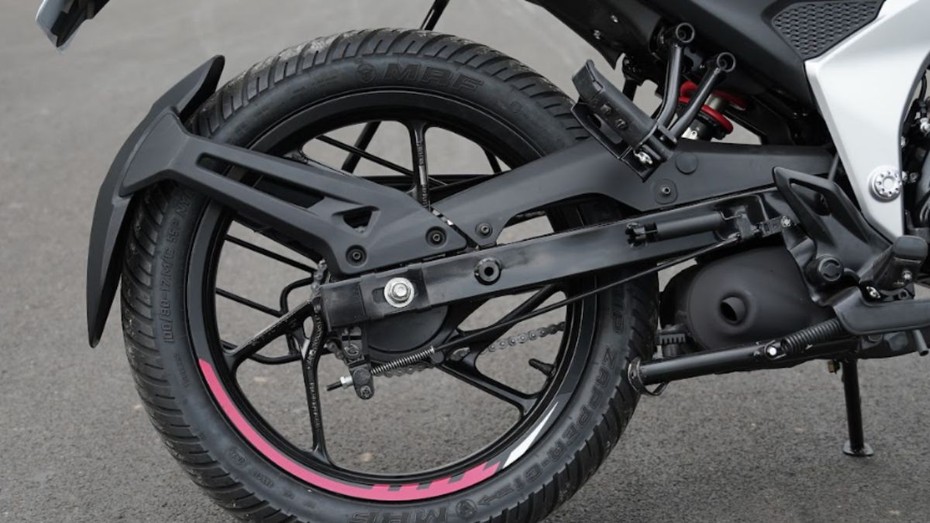
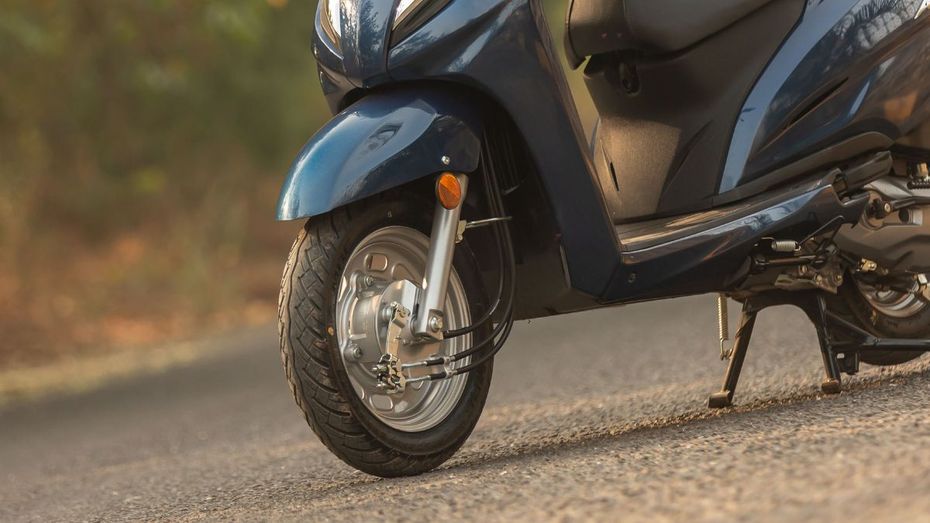
A drum brake uses a hollow cylinder that rotates with the wheel. Inside the cylinder are curved shoes lined with friction material. When you apply the brake, the shoes move outward to press the drum’s inner surface. The resulting friction slows the wheel.
How does a disc brake work?
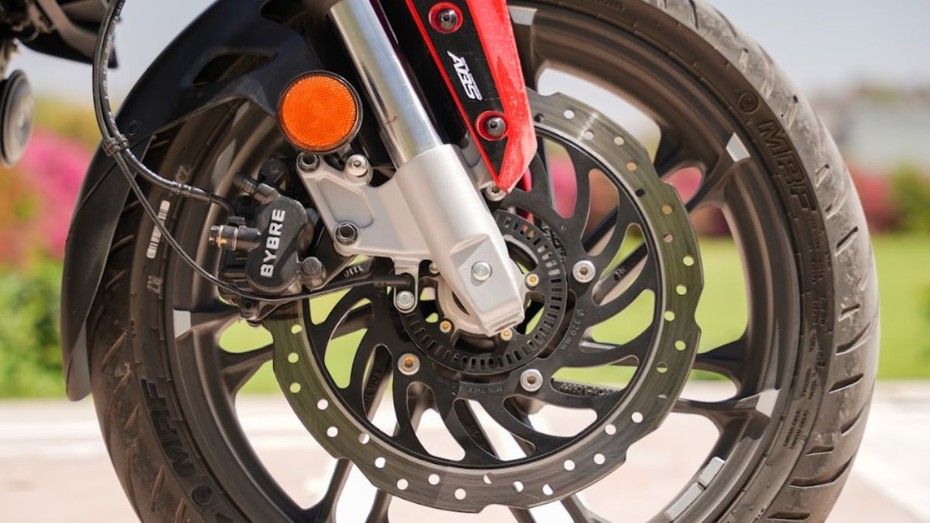
A disc brake uses a flat ‘disc’ or a rotor bolted to the wheel hub, and a caliper that houses pads on either side of the disc. When you pull the brake lever, hydraulic pressure pushes the pads forward, to clamp the rotor. This causes the wheels to slow down.
Which one stops better, disc or drum brakes?
Disc brakes have better stopping power but they are expensive, while the drum brakes are more cost-effective.
Maintenance and reliability of disc brakes vs drum brakes?
Drum brakes can last longer in everyday use, and they are cheap and easy to repair. Disc brake systems are more complex to repair and maintain – this makes them more expensive. However, both systems are equally reliable.
Is the extra money for discs worth it?
While there’s no getting around the fact that disc brake systems are more expensive because of the sheer amount of components and complexity, the braking performance is unbeatable. Some affordable, low-performance two-wheelers can get away with a drum brake. However, as performance increases, having a disc brake becomes necessary to keep all the power on leash when necessary. In that sense, it’s worth paying more for disc brakes.
What are CBS and ABS, and why do they matter?
CBS, short for “Combined Braking System,” links front and rear braking. Essentially, you can apply braking force to both wheels by using only one brake lever. As you know, on two-wheelers, you have separate brake levers for front and back. With a CBS, you still have the two levers, but (in most cases) the rear lever also actuates the front brake and distributes the braking force between both wheels. It helps untrained riders brake better and reduces simple mistakes during panicked stops. That said, CBS does not prevent the wheels from locking.
ABS, anti-lock braking system, senses an impending lock and reduces hydraulic pressure many times a second so the tyre keeps rolling while you apply maximum braking. ABS therefore reduces the chance of a skid and lets you steer while braking.
What are the government rules about motorcycle brakes?
India first moved to require ABS on larger two wheelers and to allow CBS as an alternative on smaller machines in a staggered approach. From 2026 onwards, ABS is the baseline for new two wheelers going forward, irrespective of engine size. Manufacturers will naturally adopt disc based front braking and ABS because single-channel ABS on the front wheel is the simplest pathway to compliance at low incremental cost.
Will discs make skids more likely for beginners?
The hardware itself is not the problem. The danger comes from raw braking force, poor traction, and poor technique. A capable front disc will stop a wheel very quickly; if the tyre loses grip on a wet patch, painted line, or loose gravel, a locked or overloaded wheel can cause a fall. ABS dramatically reduces that risk by preventing wheel lock and allowing the tyre to reestablish grip. For practical riding in India the combination of a good front disc and ABS is much safer than a drum alone.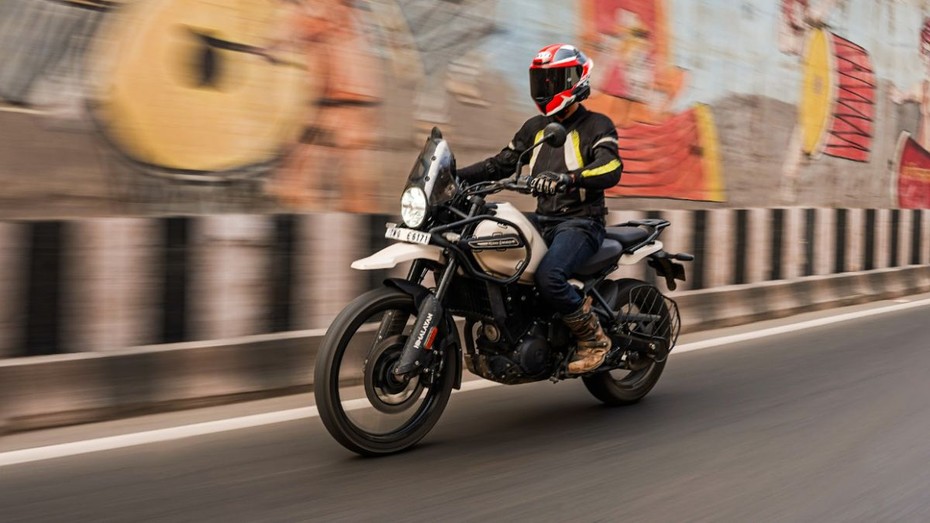
Converting a drum to a disc – is it possible?
You sure can convert a drum to a disc, and conversion kits do exist. But it’s not a plug and play thing, and there are other components on your two wheeler that might need to be changed. If you are buying a brand new two-wheeler, it would be better to get a disc-brake variant from the factory.
What to look for
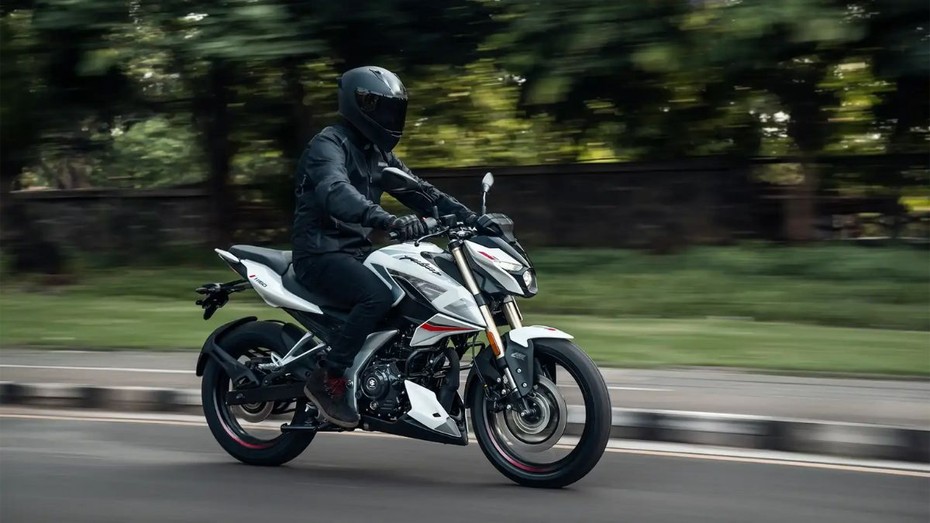
Prioritize a factory-fitted front disc as the baseline. If ABS is offered, take it. Single-channel ABS on the front wheel provides a material safety upgrade for little incremental cost. Finally, invest in good tyres. The best braking system needs good rubber to turn capacity into real stopping distance
 .
.
Disc brakes vs drum brakes: The final word
Drum brakes are a simple , cost effective choice. Disc brakes offer stronger, more repeatable stopping, and far better wet weather behaviour. With regulators moving to make ABS standard across the market, discs plus ABS will rapidly become the default. If you are buying a bike today choose a front disc and ABS. The extra you pay up front is small compared with the margin of safety you add every time you need to stop quickly.
3 out of 3 found this helpful