

Pros and Cons of Year-End Bike Purchase


A simple and easy guide to December and year-end deals, model year pitfalls and the smartest time to bring a new two-wheeler home

Walk into a showroom in late December, and the sales floor can feel oddly urgent, with salespeople eager to close and banners promising savings that will end with the year. The reason is simple. After the festive surge through Navratri and Diwali, footfalls typically taper, dealer inventories can stay high, and brands push retail with selective discounts or finance schemes to keep the momentum going into the new year. Industry bodies and dealer federations regularly note that December demand can soften after the festive spike, which in turn spurs clearing activity and sharper offers on remaining stock to tidy books at year's end.
The Genuine Pros
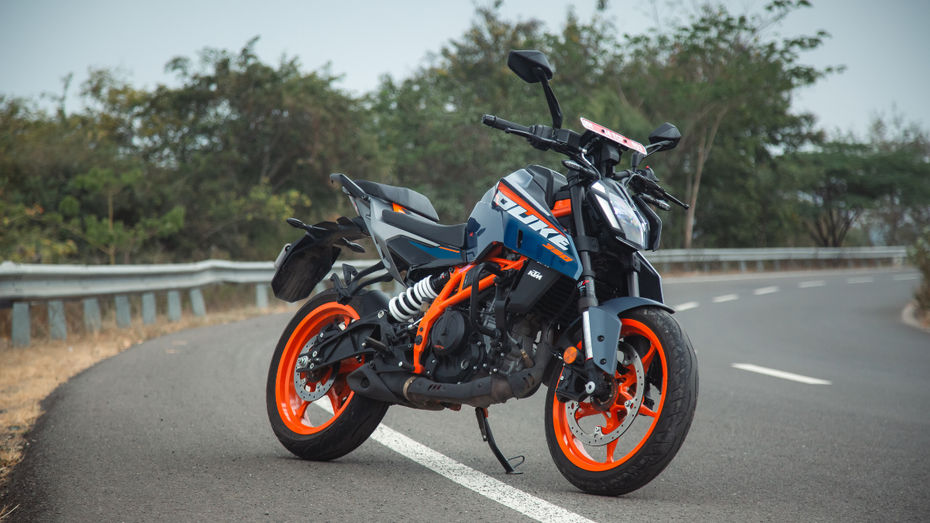
If a lower on-road price is the top priority, late-year shopping can deliver real savings. Dealers and brands often stack cash discounts, exchange bonuses, low down payment schemes and occasional zero-cost finance during the tail of the festive window and through December, especially on commuter motorcycles and scooters with ample availability. Published festive season roundups each year highlight benefits that have included several thousand rupees off, accessory packs, insurance premium waivers on select models, and extended warranty sweeteners on specific nameplates. While the richest offers usually crest around the big festivals, spillover deals and dealer-level flex on outgoing batches continue into December on slower-moving variants.
Another advantage is dodging the routine New Year's price hike. Most manufacturers revise ex-showroom prices early in the calendar, citing input costs and compliance changes. So closing in December can lock in the previous sticker and the discount on top of it, which compounds savings in a visible way when the prices hike in January. For buyers keeping a bike long term where resale timing matters less, this is a clean way to pay less for the same machine and ride sooner rather than later.
The Hidden Cons
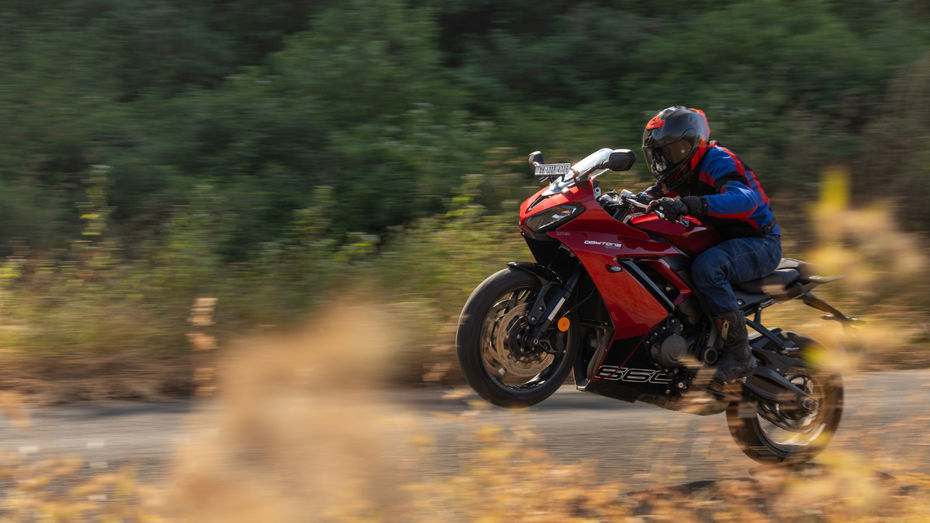
There are two downsides. The first is model year depreciation. The market and insurers look at the year of manufacture on the registration. Buy in late December, and the bike will be classed as one year older just weeks later for valuation purposes, even if your odometer barely moves. If you plan to trade in within a few years, that single-digit calendar change can cost meaningfully at resale, because rough rules of thumb apply a double-digit percentage drop per year from the base value. Some dealers offer to register in early January while giving temporary papers in December, which can partly address the model year stamp, but this depends on local rules and dealer practice and should be documented clearly before payment.
The second is feature timing. Many brands refresh paint schemes, add minor features or roll out running changes with the new model year. Buying the tail of the outgoing batch can mean missing that quiet hardware update or a fresh colour that arrives with January production, even on the same variant code. In a few cases, December stock can also be limited to less popular trims or colours, so choice narrows just as discounts widen. For some buyers, this trade-off is acceptable, but it is worth asking the sales advisor to show you the next batch specification sheet and planned colours before you commit.

Marketing Traps to Avoid
Limited-time banners create pressure, but good deals survive basic scrutiny. Focus on the final on-road price with all fees itemised, not just the headline cash discount. Free insurance offers often refer to the first year own damage component only, so confirm third party premiums and add-ons in writing. Exchange bonuses are sometimes netted by lowering the trade-in valuation on your old bike, so get an independent quote to benchmark. Zero cost finance can still carry processing charges, mandatory add ons or foreclosures that negate its charm, so read the finance term sheet end to end. Finally, check the tyre week code, battery condition and the odometer reading on your specific chassis number, because some December bikes are yard-parked units that need a careful pre-delivery inspection to rule out flat-spotted tyres, weak batteries or surface corrosion on fasteners.
Other Smart Times to Buy
Outside the festival corridor, two other windows are worth watching. The new financial year can bring fresh targets and occasional early-quarter schemes, especially if the previous quarter underdelivered. Pre-refresh or pre-facelift months for specific models can also be rewarding, when dealers are briefed to move existing stock ahead of a minor update or colour change and are willing to negotiate. In addition, select brands run corporate, student or exchange drives at intervals across the year that can be stacked with dealer-level goodwill if you are patient and keep in touch with two or three showrooms.
So Should You Buy at Year's End
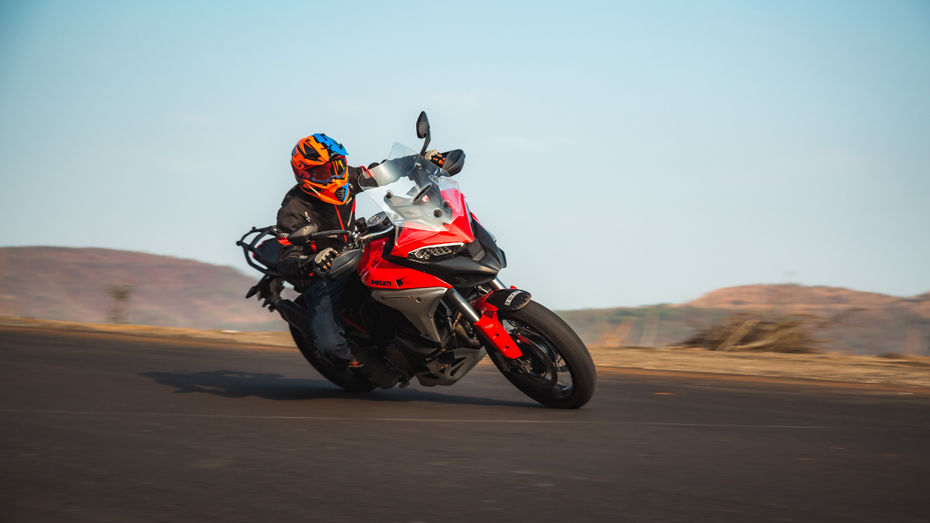
If you intend to keep the bike for many years, want the lowest drive-away price, and can verify the bike’s condition and paperwork, a year-end purchase remains a smart and defensible decision. You will likely save with a combination of cash benefits and by beating January price revisions, and any model year depreciation is largely theoretical until resale day far in the future. If you value the freshest possible model year stamp for resale within three years, or if a specific colour or feature update matters to you, waiting for the new year’s batch or timing your buy for the peak festive schemes can be wiser.
In either case, take the time to compare the all-inclusive price from multiple dealers, scrutinise the finance and insurance fine print, and prioritise the exact motorcycle on the floor over the poster on the wall. That is how to convert a seasonal trend into a personally good purchase, no matter which month you collect the keys.