

Pros And Cons Of Carbureted Motorcycles


We explain if the “good, old” carbs are really good, or if are they just nostalgia-fuelled hype
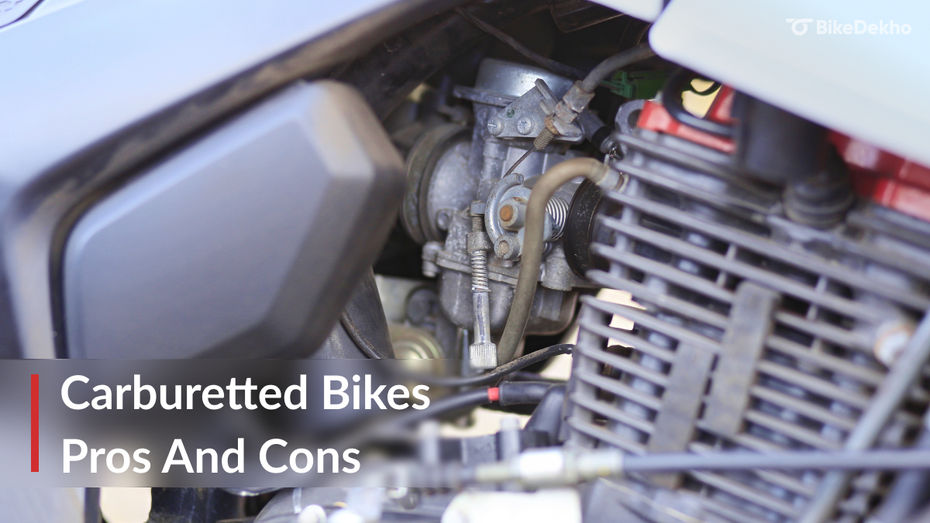
Long before fuel injection became the norm, almost every motorcycle you saw on Indian roads had a carburetor. From the trusty Hero Splendor that became the daily ride for countless Indians to the early Bajaj Pulsars that turned heads at traffic lights, carbs kept India moving. Even the thump of the Royal Enfield Bullet, for decades, came courtesy of a carb. They were simple, reliable, cheap, and easy to fix at the nearest roadside mechanic.
Even today, you will spot plenty of carb bikes still running strong. But technology has moved on with stricter BS6 emission norms, with all new motorcycles now using fuel injection. So what makes carburetors worth remembering, and why did the world move away from them? Let’s break it down.
What exactly is a carburetor?
Think of a carburetor as the bike’s cook. Its job is to mix the right amount of fuel and air and serve it to the engine. The carb does this with the help of small jets and valves that respond as you twist the throttle.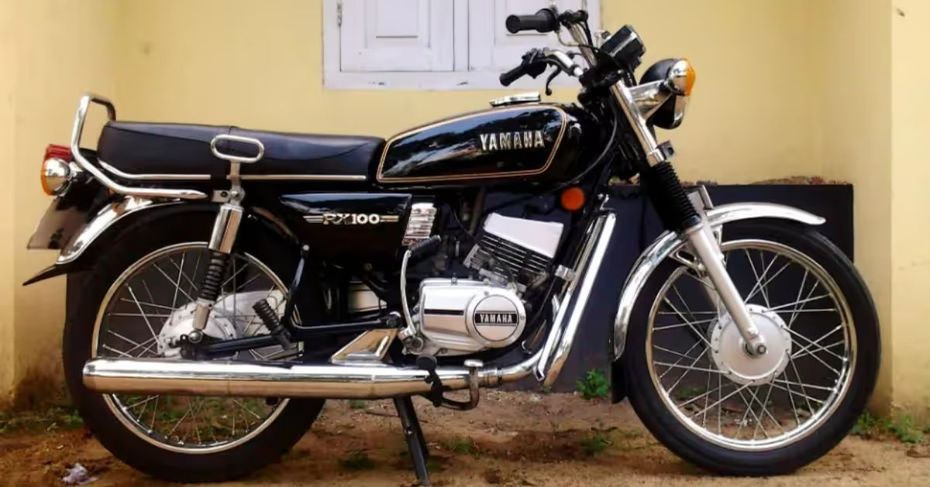
If you grew up in the 90s or early 2000s, chances are, you’ll remember fiddling with the choke lever on a cold morning. That was the carb doing its job the old school way, by improving the fuel mixture so the cold engine could fire up, something today’s fuel-injected bikes handle automatically.
Fuel-injected bikes do the same thing, but with advanced computers and sensors. That’s why modern bikes start at the press of a button, feel smoother, and use fuel more wisely. Still, for decades, the carburetor was all riders needed to keep their machines alive and running.
THE PROS
It’s easier on the pocket
Carb bikes were always cheaper to buy and cheaper to repair – you can have an entire carb restored for the same money as a dinner for two. Compare that to a faulty fuel injection unit that can set you back several thousand rupees. So you see why carbs were so popular with budget-conscious riders.
Simple to maintain
With a carb, you do not need a laptop or a service center to keep things running. A simple screwdriver, a bit of patience, and you can adjust the idle speed or clean the jets yourself. Every roadside mechanic knows their way around carbs. Riders traversing through remote areas usually preferred carb bikes for this very reason. Example: if your old Bullet broke down in the middle of nowhere (which it tends to do), any local mechanic could usually get it running again in minutes.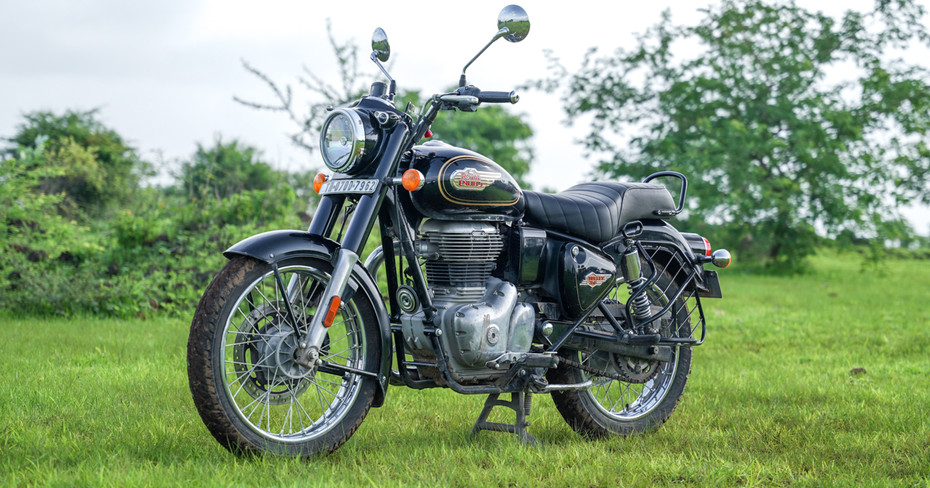
Runs on rough fuel
Unfortunately, in India, fuel quality isn’t always consistent, especially in rural areas. Many riders will tell you stories of filling up at some shady small highway pump, only to discover the petrol was adulterated. Thanks to its simple inner workings, a carb would still run, even if it ran rough. Fuel injection systems are fussier and may refuse to run on bad fuel. In some cases, it can even damage parts like the fuel pump and, over time, harm the engine itself. For long-distance riders tackling places like Ladakh, that tolerance from a carb was a blessing in disguise.
Proven to be reliable
Carbs have been around for more than a hundred years. They powered everything from the Bajaj Chetak scooter to the iconic Bullet that soldiers and adventurers swore by. Moreover, riders trust them because they have seen them survive dust, heat, rain, neglect, and anything the Indian roads have to throw at them. It just needed one good cleaning session, and the bike would usually feel new and fresh again. That kind of familiarity made carb bikes dependable companions.
Old school feel
There is a certain charm about riding a carb bike. The usual choke ritual on a cold morning, the kick-start routine when the self-starter battery gave up, the raw mechanical note when you revved it, and it all felt alive. Enthusiasts loved this sense of mechanical involvement. Even folks who modded carbs preferred them because a simple jet swap could change the way the bike felt and ran. That is how old Pulsars and RX100s became the playground for countless young tuners.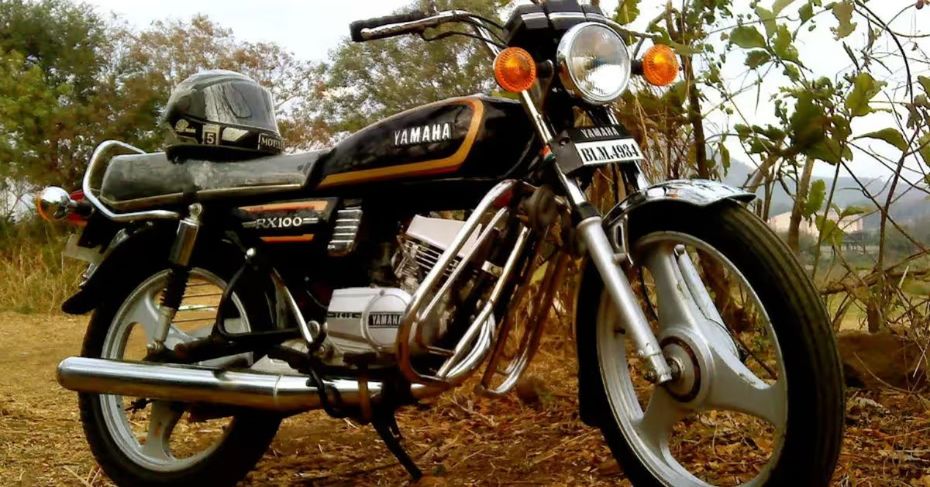
THE CONS
Less fuel efficient
This is where carbs show their age. Because they are mechanical, they cannot control fuel delivery as precisely as fuel injection. That means they usually burn more petrol for the same amount of performance. Ask any rider who switched from a carb Splendor to the new FI version, and they’ll tell you there’s a substantial gain in mileage. And considering today’s fuel prices, that extra kmpl matters.
Harder to start in the cold
Anyone who has owned a carb bike knows the everyday winter morning struggle. You can almost picture it, a foggy morning, you’re late for college, you pull the choke, kick once, twice, three times, and the engine finally splutters to life. Fuel-injected bikes, on the other hand, start almost instantly, no matter how cold it is. Carbs also hate high altitudes as the air has less oxygen, but a carburetor keeps sending the same amount of fuel as it does at sea level. This makes the mix too rich, so the bike loses power and struggles. Fuel injection adjusts this mix automatically, but carbs can’t. Thus, riders on Ladakh trips often carried spare jets because the bike would run rich in thin mountain air unless adjusted.
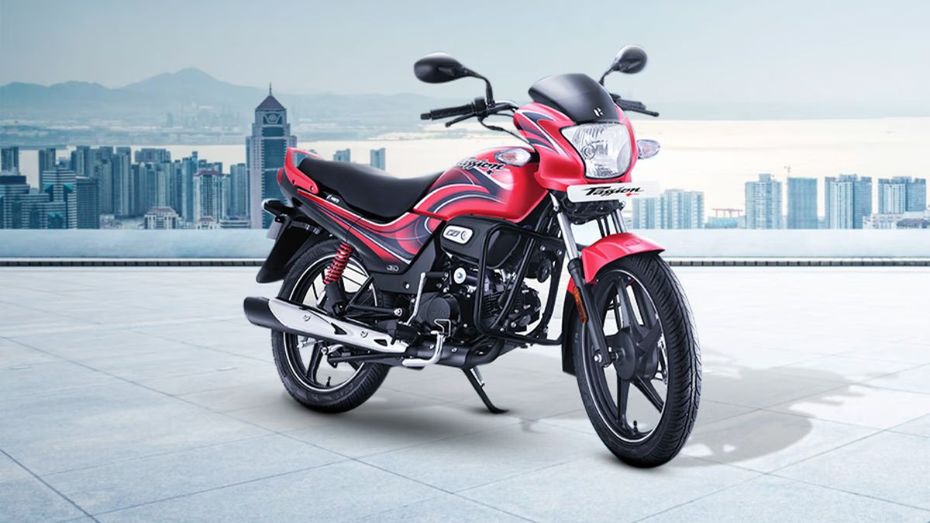
Dirtier emissions
Modern emission norms are extremely strict, and carbs simply cannot keep up. This is why manufacturers had no choice but to move away from carbs when BS6 norms kicked in.
Needs regular tuning
A carb bike can feel like two different machines depending on the weather or how recently it was serviced. It may feel smooth one day, and sluggish the next. A Bullet owner will often tell you about “setting” the carb every few months to keep it running right. While fuel-injected bikes adapt to these changes automatically, a carb needs manual care to stay at its best.
Feels outdated today
All new bikes now come with fuel injection as standard. That makes carb bikes feel a bit old-fashioned, like dial-up internet in the age of broadband. Resale values are also lower, and the younger generation riders often don’t want the extra hassle. While purists still love the vibe, most buyers see carbs as yesterday’s technology.
Sure, carbureted motorcycles may not be the most efficient or practical anymore, but they have a charm that technology cannot replace. They’re simple, affordable, and easy to fix – perfect for riders who enjoy the old school feel or are restoring classics.
But if you are buying a new motorcycle today, fuel injection is the smarter choice. It’s cleaner, smoother, more fuel-efficient, and ready for the future.
1 out of 1 found this helpful