

How to Buy the Perfect Motorcycle Helmet in India


Getting a good helmet is like insurance, but for yourself!
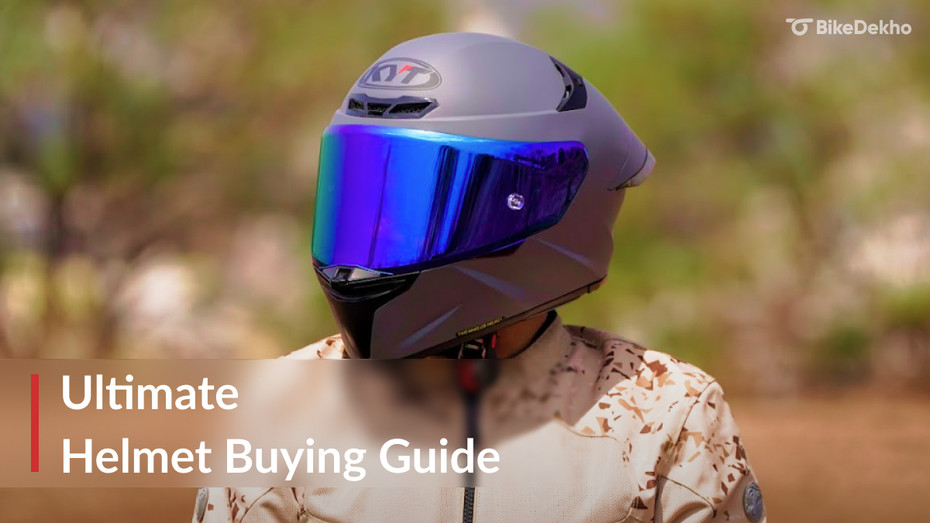
When it comes to riding a motorcycle, there is no single piece of riding gear more important than your helmet, period. A good helmet can mean the difference between safely walking away from a fall or sustaining life-altering injuries. For beginners who are just getting into biking, the helmet-buying process can seem intimidating. So, allow us to take you step by step through the process of choosing the right helmet for your style, your motorcycle, and your safety.
Why Choosing the Right Helmet Matters
Research has consistently shown that helmets drastically reduce fatalities and head injuries. In India, where traffic conditions can be chaotic and helmet rules are treated as a mere suggestion rather than a legal obligation, wearing a proper helmet is nothing less than a life requirement.
The Different Types of Motorcycle Helmets
Full Face Helmets
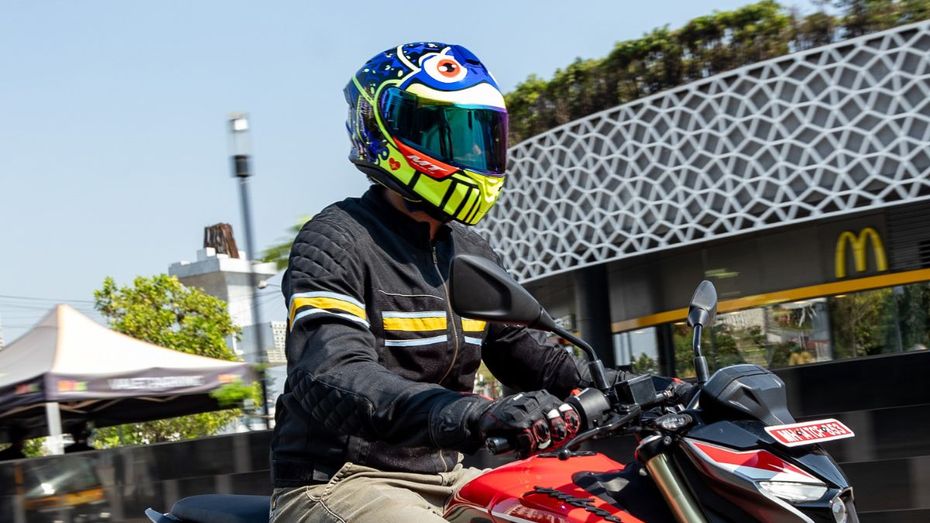
Full face helmets are the gold standard when it comes to protection. They cover your head completely, including your chin and face, which is critical because the chin area is one of the most common impact points during a crash.
Modular Helmets
Modular helmets, sometimes called flip-up helmets, strike a balance between convenience and safety. These helmets allow you to flip the chin bar up, turning them into an open-face helmet when you want to talk to someone, have a sip of water, or just feel the wind on your face.
Dual Sport Helmets
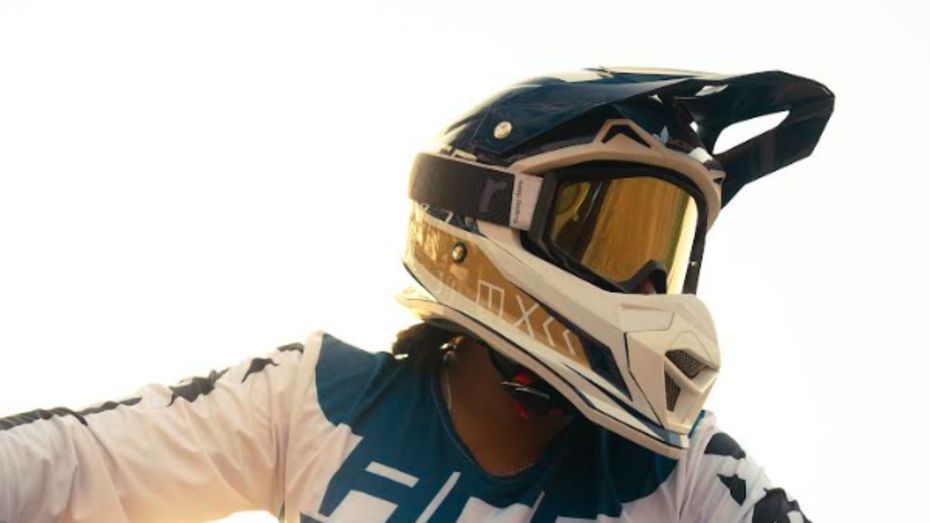
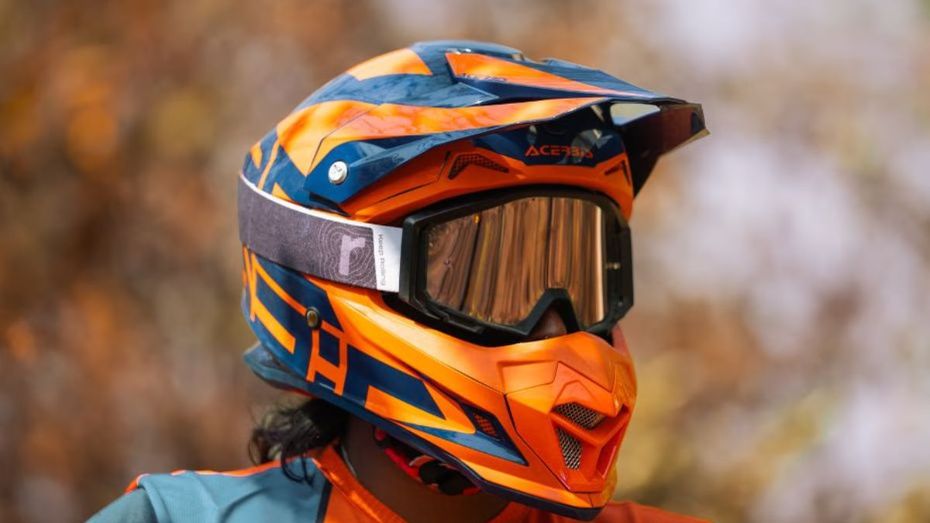
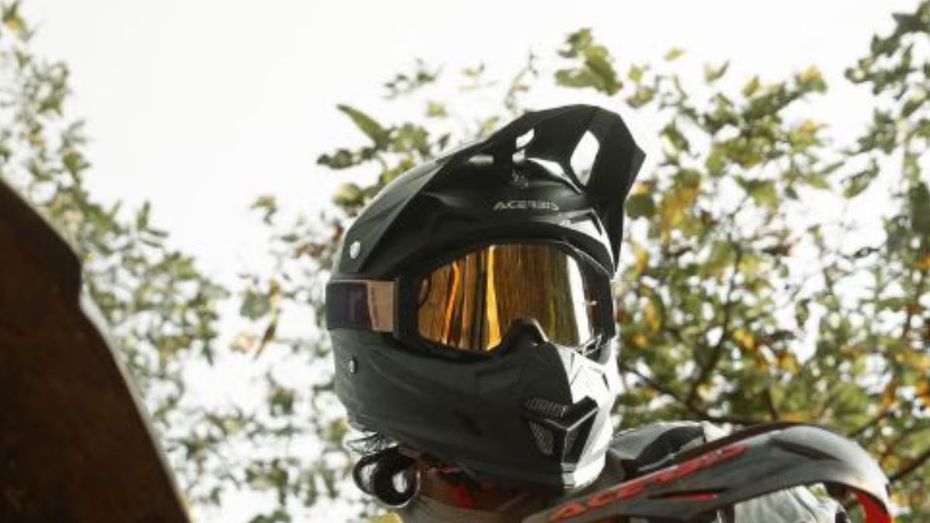
Dual sport helmets are designed for adventure touring and off-road riding. They combine features of dirt bike helmets and full face helmets. You get a pronounced peak to shield your eyes from sun glare, a large visor opening that can fit goggles, and more aggressive styling.
Open Face Helmets
Open face helmets cover your head but leave your face exposed. They are lightweight, airy, and popular with scooter riders and those who only do short city commutes. They are, however, far less protective than full face or modular helmets.
Dirt Helmets
Dirt helmets come with extended chin bars for better ventilation, large eye ports to accommodate goggles, and a sun peak. Unlike full face road helmets, they are meant to be paired with goggles rather than visors.
Helmet Safety Certifications Explained
In India, the Bureau of Indian Standards (BIS) enforces the ISI mark for road-legal helmets. As per recent regulations, helmets sold in India must carry the ISI certification. Importing or selling helmets with only foreign certifications has been restricted, though many premium riders still purchase ECE or DOT-rated helmets abroad for personal use.
The major certifications you will come across are:
-
ISI (India) – Mandatory for helmets sold in India.
-
DOT (Department of Transportation, USA) – A widely accepted American standard.
-
ECE (Economic Commission for Europe) – Considered one of the most stringent certifications globally.
-
SNELL – An independent American testing body with extremely rigorous standards, popular for race helmets.
For most Indian riders, ISI will be the standard to look for. However, if you want the best protection and ride internationally, ECE and SNELL carry more weight.
Helmet Materials and Their Impact on Price
Entry-level helmets are usually made of polycarbonate or ABS plastic. They are affordable and still provide basic protection. Mid-range helmets often use fiberglass composites, which are stronger and lighter. Premium helmets incorporate carbon fiber, which combines maximum strength with minimal weight. These can cost significantly more, but they reduce fatigue on long rides and absorb impact energy more effectively.
Comfort, Fit, and Sizing
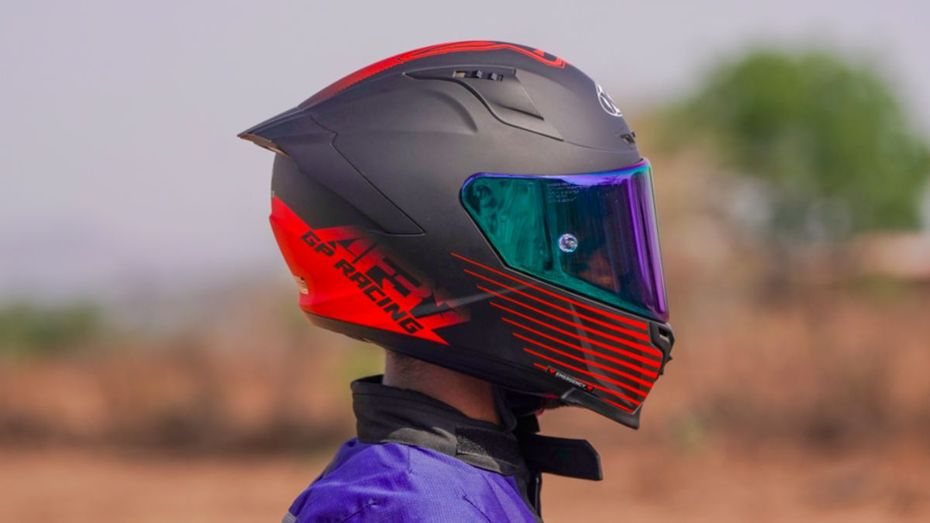
The most protective helmet is useless if it does not fit properly. A helmet should be snug without being painfully tight. It should not wobble when you shake your head, nor should it create pressure points. Cheek pads will usually loosen slightly over time, so a brand-new helmet should fit firmly.
Measure your head circumference just above your eyebrows and refer to the manufacturer’s size chart. Remember that sizing varies between brands. Try the helmet in person if possible.
Features and Accessories to Look For
Internal sun visors allow you to ride in bright sunlight without needing separate sunglasses. Pinlock-ready visors prevent fogging in cold or rainy weather, which is crucial for visibility. Removable liners and cheek pads make it easier to wash your helmet and keep it fresh. Bluetooth compatibility has become increasingly popular, allowing you to integrate communication devices for music, GPS navigation, and intercom functions with fellow riders.
The Truth About Graphics and Colors
Many riders, especially beginners, focus excessively on the graphics and colors of helmets. While it is natural to want your gear to look good, this should always be your last consideration. The good news is that even budget helmets in India today come with attractive designs and vibrant decals. For Rs 1,500 to Rs 3,000, you can find helmets with excellent graphics without compromising on safety.
Common Mistakes Beginners Make
Some bikers buy helmets that are too loose, thinking they are more comfortable. Others pick half helmets or novelty helmets for style without realizing how little protection they provide. Some focus entirely on graphics and ignore certifications. Then there are those who splurge on premium helmets without considering whether the helmet is suited for their type of riding.
Avoid these mistakes by sticking to three fundamentals: certification, fit, and type. Once you have those covered, you can think about colors, features, and add-ons.
Buying Helmets Online vs Offline
Online shopping offers convenience and wider choices, but sizing can be tricky. If you are buying online, make sure the platform has an easy return policy in case the fit is wrong. Offline stores allow you to physically try on helmets, which is the best way to ensure correct sizing and comfort. We strongly recommend first trying a helmet in-store and then purchasing it online if you find a better price.
Final Word: Invest in Your Safety
A helmet is the most critical piece of riding gear you will ever buy. Treat it as an investment, not an expense. Spend wisely, but never compromise on certification, fit, and safety features. Whether you are riding a scooter to work or touring the length of India on an ADV, your helmet is the one piece of gear that will always stand between you and disaster.
1 out of 1 found this helpful