

Helmet Laws in India 2025: What Every Rider Should Know


Here’s a quick, simple summary of how you can follow simple helmet rules and stay safe on Indian roads
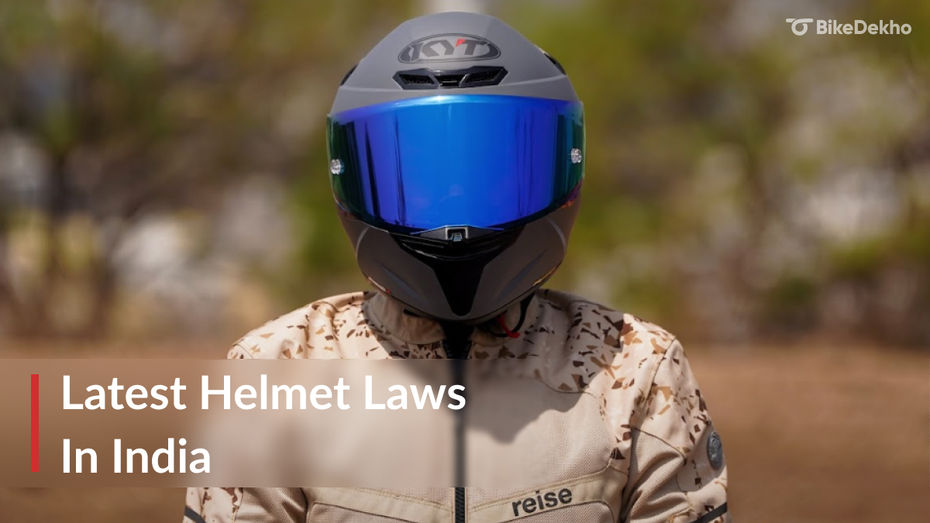
Road accidents and traffic fatalities are a major concern in India. According to the records, cases of traffic mortality in the country increased by 23 percent from 2012 to 2022, while they declined by about 5 percent globally. Data shows that about 20 deaths and 50 injuries are reported every hour from road accidents, and about 45 percent of them, on average, are two-wheeler riders. It's not hard to believe since India has more two-wheelers on its roads than any other country. We can reduce this share by wearing a quality helmet whenever we ride a two-wheeler, and this is what the government is also trying to make us do.
Helmets have always been a symbol of safety on two wheels, but in 2025, they’re also at the heart of stricter enforcement and new regulations across India. Whether you ride daily to work or just on weekends, understanding the latest helmet laws can save you both money and trouble—and more importantly, your life.
The Current Law
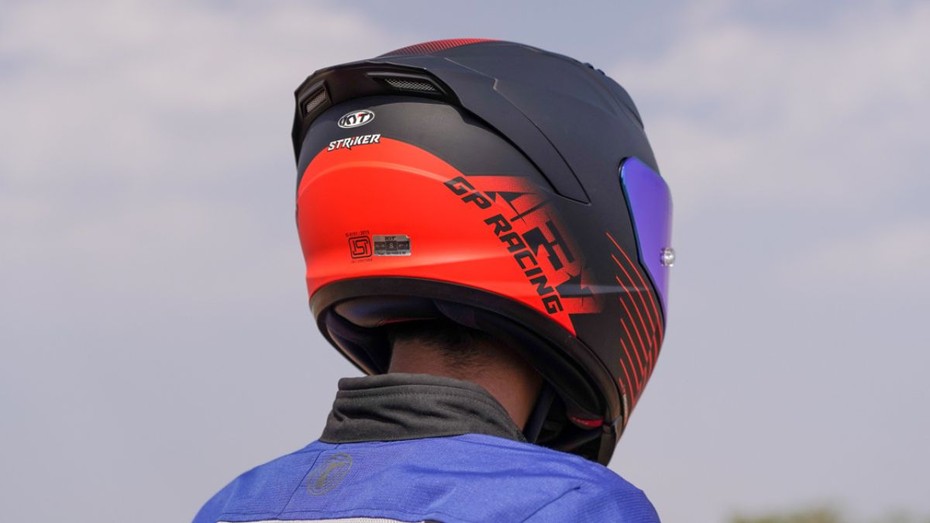
Under Section 129 of the Motor Vehicles Act, 1988, it’s mandatory for both the rider and the pillion to wear a helmet when they are on a moving two-wheeler. And this isn’t just about covering your head—the helmet must meet Indian safety standards. Only ISI-certified helmets can be legally sold in India. The Bureau of Indian Standards (BIS) certifies helmets under IS 4151:2015, making sure they meet quality and safety standards. Helmets must have the ISI mark to be considered legal, regardless of how stylish or expensive they are. Riding without a helmet can result in a fine of Rs 1,000 (reduced to Rs 500 in some states) and even a three-month suspension of your driving license, as per Section 194D of the Act.
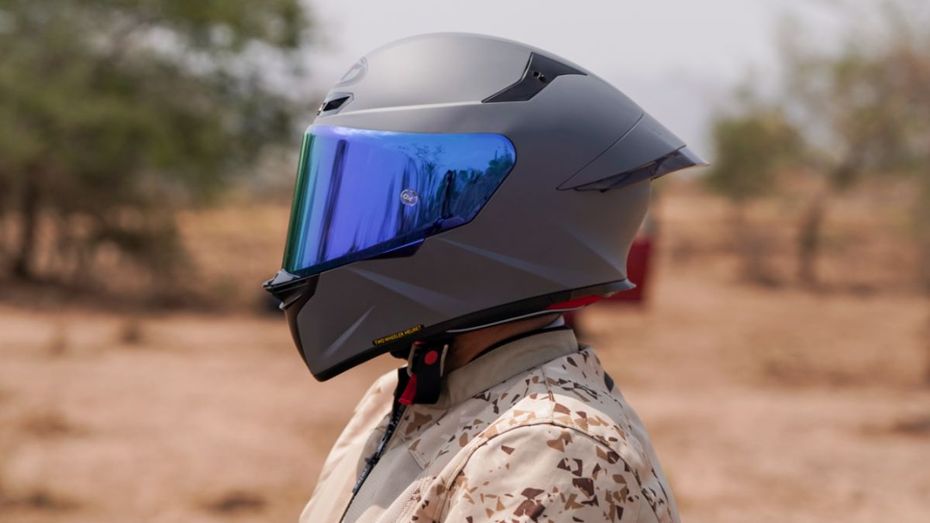
Exemptions
Only Sikh men who are wearing a turban are exempt from wearing a helmet while riding a two-wheeler, as stated in Section 129 of the Motor Vehicles Act. This exemption recognizes religious and cultural significance but does not apply to Sikhs who are not wearing a turban or to members of any other community.
What’s New In 2025
Aimed towards saving lives, we already have very thoughtful traffic laws related to the use of helmets in India. However, it’s necessary to keep updating and reinforcing these laws to reduce the mortality rate from two-wheeler accidents in the country. Here’s a summary of the recent and upcoming changes:
Ban on non-ISI and half helmets: Helmets without an ISI mark are banned for sale nationwide. Government officials are also doing drills to stop the sale and use of light-duty, non-standard, and cap-style half helmets that don’t offer full protection.
Reinforcement of BIS test standards: The 2025 changes require strict follow-through of the IS 4151:2015 standard, which outlines what materials, structure, and performance helmets must have. This includes tests for retention system strength, impact absorption, and overall integrity to ensure optimum protection.
Choosing And Using Helmets Safely:
To ensure compliance with helmet laws and the safety of you and your loved ones, you can simply follow these guidelines.
Authenticity check: Buy only from authorized dealers with clear BIS certification. Avoid roadside or fake ISI options. Check for an embossed ISI mark or a valid license number, and examine for defects or weak retention systems. Do not buy a helmet with any minor deformation or defects for discounts, and check the manufacturing date as well before purchasing.
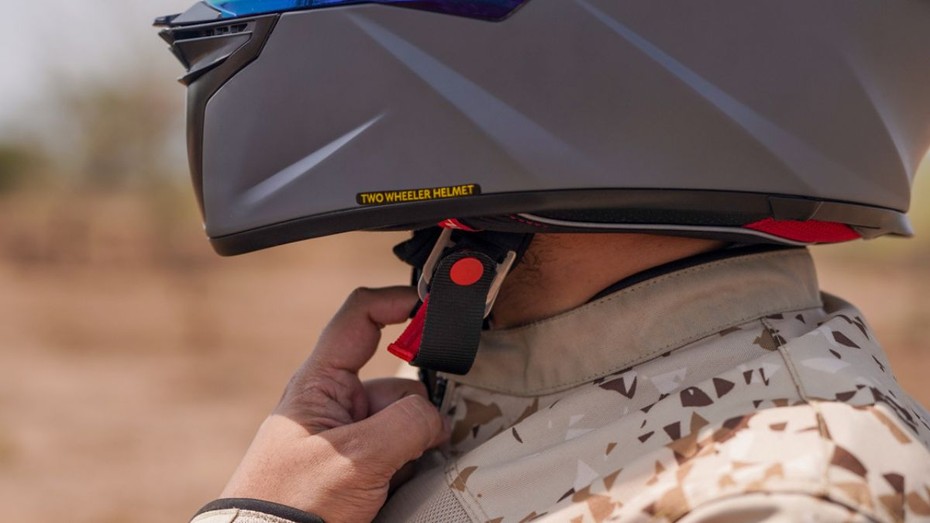
Buckle up: Wearing a good-quality helmet is just half the battle; you also need to fasten it properly. Helmets that are not securely fastened may be dislodged during a crash, rendering them ineffective. Riders with loosely fastened helmets face a twofold increase in the risk of head injuries compared to those wearing properly secured helmets. Our Motor Vehicle Act also defines protective headgear as a helmet securely fastened to the wearer’s head, and not following it may also affect your insurance claims.
Size matters: Laboratory drop tests by the Automotive Research Association of India (ARAI) show that a 2cm gap between the headform and liner can increase peak impact force by up to 25 percent during frontal impacts. You can simply reduce the risk of fatal head injuries by 50-70 percent with a properly fitted and fastened helmet. Always go for a snug-fitting helmet that shouldn’t move more than 2–3 mm when you shake your head.
Expiry date: Although there is no expiry date on helmets, most helmet manufacturers suggest that you should replace your helmet every 3years, or immediately after any significant impact. The internal EPS (Expanded Polystyrene) foam degrades over time because of constant pressure, sweat, and those countless drops that we don’t even remember, reducing impact absorption. The shell also gets weaker with time due to the UV exposure. BIS also doesn’t specify a strict expiry period, but it, along with WHO and the Snell Foundation, endorses the five-year rule.
Let’s foster a culture of safe riding:
It is not just about avoiding penalties but more about staying alive. No matter how skilled you are with your two-wheeler, you can’t control what happens on the road. And most fatal two-wheeler accidents involve riders who weren’t wearing a helmet or were wearing improper helmets. A proper helmet gives you an extra layer of defence when things go out of control. Data suggests a good standard helmet can reduce the chances of head injuries by up to 70 percent and serious head trauma by around 40 percent.
Following the helmet rules also ensures your insurance claim validity in any case of mishap. If a rider or passenger is found to have violated traffic laws, including not wearing a legal helmet, the insurance claim may be affected or even denied. Even if all these reasons are not enough, we should follow the helmet rules to make road safety a culture for our upcoming generation.
2 out of 2 found this helpful