

Explained: PS and Nm - A Complete Beginner’s Guide to Horsepower and Torque


Here’s how the two numbers can help you better understand a bike
What does PS mean in motorcycles?
PS, German for “Pferdestärke,” stands for “horse strength.” It is essentially another way of measuring horsepower. Manufacturers, especially those with European ties, use PS instead of ‘hp’, since the numerical difference between the two is negligible. One PS equals 0.986 horsepower, which means it’s nearly the same thing.
So, when a brochure says 15PS, think of it as roughly 14.8hp or horsepower. In the real world, you won’t feel that microscopic difference. The reason PS exists at all is because Europe standardized it back in the day, and many manufacturers never stopped using it.

Why does horsepower matter for motorcycles?
Horsepower, or PS, is basically a measurement of how quickly an engine can perform work. In motorcycling terms, it tells you how fast your engine can spin and how much effort it can put into propelling you forward. Higher PS usually means better performance at higher revs.
What is Nm in motorcycles?
Nm stands for Newton-metre, which is a measure of torque. If PS is about speed and how fast the engine can work, torque is about the force of that work. Think of torque as the twisting power that turns the wheels.
Torque tells you how effortlessly a motorcycle can move from a standstill or climb a hill. It’s the pulling power you feel when you open the throttle and the bike surges forward without breaking a sweat. This matters because traffic conditions, stop-and-go commuting, and carrying pillion riders - all rely more on torque than outright horsepower.
How do PS and Nm work together?
PS and Nm are two sides of the same coin. Torque gets you moving, horsepower keeps you going. If a motorcycle has strong torque but low PS, it will feel punchy in the city but run out of breath at higher speeds. If it has high PS but weak torque, it will shine on highways but feel lethargic at low revs. That’s why manufacturers tune their engines differently depending on the bike’s purpose.
Why do some bikes with lower PS feel faster than higher PS bikes?
A bike’s speed or acceleration isn’t dictated by PS alone. Torque delivery, gearing, weight, and how the power is spread across the rev range all matter. If you ever wonder why your friend’s bike “feels” quicker despite lower PS, it’s because of how effectively the bike delivers its torque and horsepower where it counts.
What’s more important: PS or Nm?
It depends on your use case. For everyday commutes in traffic, torque (Nm) plays the bigger role. You need that pulling power to weave through gaps, carry a pillion, and deal with inclines. For highway riders, long-distance tourers, or track enthusiasts, PS (horsepower) becomes more relevant, as you’ll want sustained speed and overtaking capability.
How does bike weight affect PS and Nm?
Another key factor is power-to-weight ratio. A bike with high PS that’s also heavy won’t necessarily feel fast. On the flip side, a lightweight motorcycle with moderate PS can feel very lively.
Why do touring riders in India prefer torque-heavy bikes?
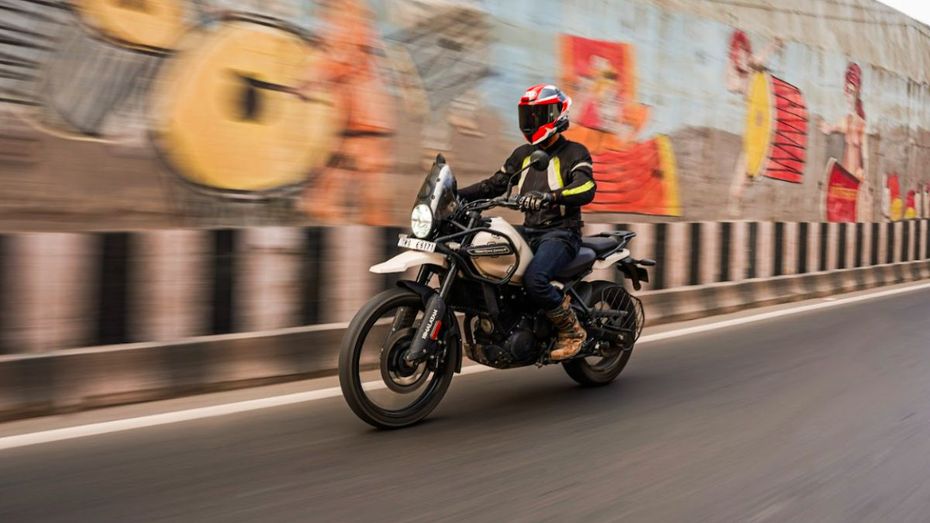
If you’re doing Ladakh runs, Western Ghats climbs, or long-distance tours, torque matters more than outright PS. A torque-rich bike can handle uphill stretches, carry luggage, and cruise without stress. That’s why Royal Enfields dominate the touring scene. Their torque delivery makes them perfect for rough roads and relaxed cruising.
In contrast, a purely high-horsepower bike like the R15 would feel exhausting to tour on, because it needs constant revs to stay in its sweet spot.
Does higher PS mean lower mileage?
Usually yes, but not always. High horsepower engines tend to rev higher and consume more fuel, but efficiency also depends on engine technology. Modern bikes with fuel injection, variable valve timing, and efficient combustion can balance both power and mileage.
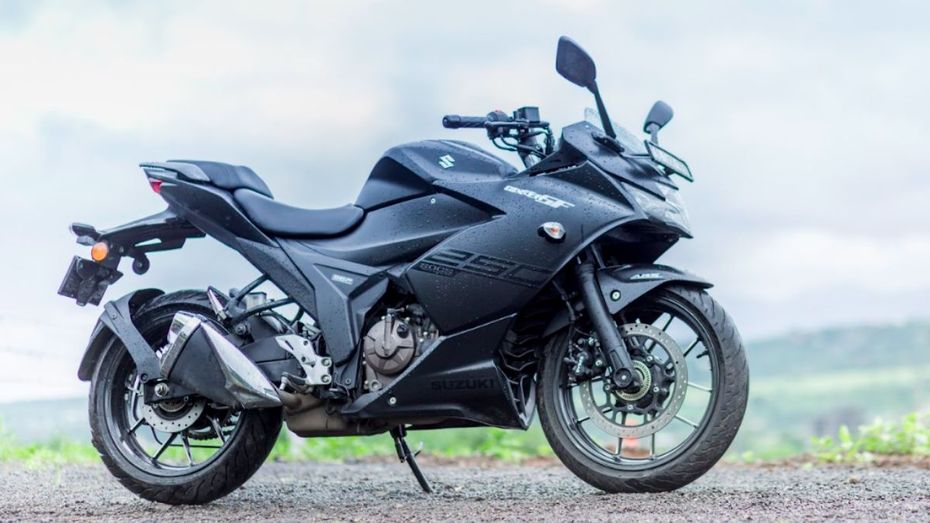
How does gearing affect PS and Nm delivery?
Even if two bikes have the same PS and Nm, their character can change dramatically with different gear ratios. Short gearing means the bike accelerates quicker but sacrifices top speed. Long gearing helps sustain higher speeds but dulls acceleration.
Can modifications increase PS and Nm?
Yes, but with limitations. Performance exhausts, remaps, and air filters can increase PS slightly, but the gains are often small, unless you’re making major engine changes. Torque can improve with tuning, but you usually trade off fuel efficiency or reliability.
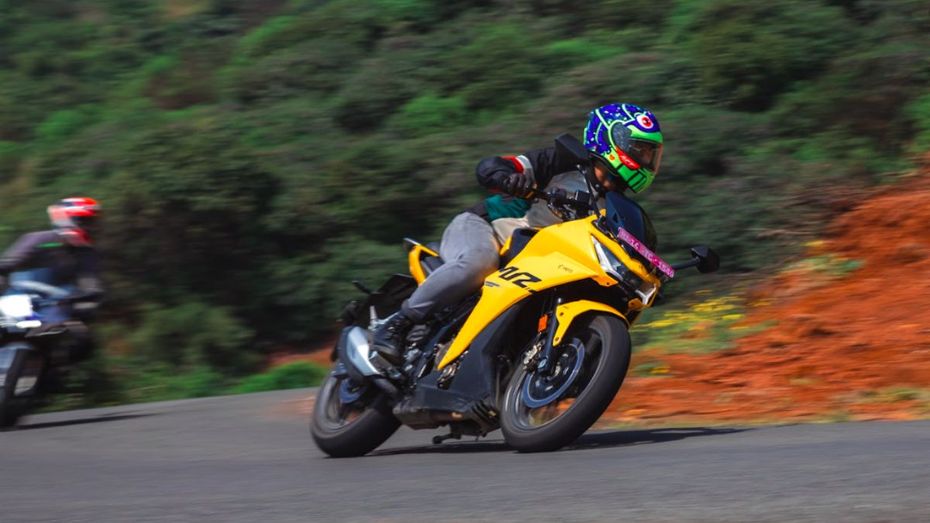
Final thoughts: How should beginners think about PS and Nm?
If you’re just starting your motorcycling journey in India, here’s the simplest way to remember it:
-
PS = How fast the bike can go.
-
Nm = How strong the bike feels.
For traffic-heavy city commutes, torque is your friend. For highway runs and spirited rides, horsepower will keep you excited.
At the end of the day, PS and Nm aren’t just numbers; they’re about personality. They decide whether your bike feels eager, lazy, relaxed, or aggressive. The more you ride, the more you’ll realize that understanding these two terms isn’t just about reading a brochure; it’s about understanding yourself as a rider.
2 out of 2 found this helpful