

E-bike Battery Care: Simple Habits That Save Range, Money And Worry


Here’s how you can elongate the life of your electric two-wheeler’s battery
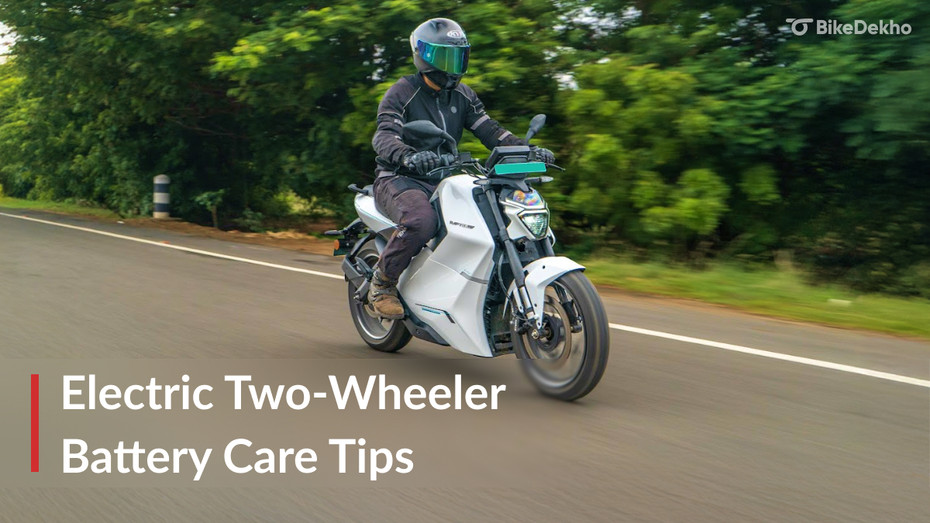
Battery health is now the most important ownership metric for electric two-wheelers. Unlike an engine you can patch, a lithium-ion pack ages quietly and, if neglected, becomes an expensive replacement line item. Good news: you can slow down degradation . Small, consistent habits — charging, storage and a little common sense — keep packs healthier for years.
1) Charge smart: don’t live at 0 or 100
The most crucial advice given by most of the EV makers is to avoid draining the battery completely and not charging it to 100 per cent every time. Manufacturers and battery guides recommend all the EV owners to keep the State of Charge (SoC) between 20 per cent and 80 per cent for daily use. It puts less stress on the cells and helps the battery last longer. One can charge the battery to full occasionally when needed, but constant zero-to-100 cycles accelerate wear. This simple rule is repeated across OEM manuals and by battery experts.
2) Use the OEM charger and the recommended charging modes
Use only the charger supplied or approved by the manufacturer. Chargers and the Battery Management System (BMS) are calibrated together — an aftermarket charger or wrong fast-charge profile can stress cells. That's why TVS, Ather, Ultraviolette and all other e-bike makers stress using the correct OEM charger and letting the BMS manage charge cycles. Having a fast-charging mode is really a boon for emergencies, but use normal charging mode for daily top-ups.
3) Mind the temperature — batteries hate extremes
Heat and cold both take a toll on your e-bike’s battery. Temperature control is one of the biggest factors in keeping the pack healthy over time. If you live somewhere with very hot summers or cold winters, try parking and charging the EV indoors or in a shaded area. Do not charge a heated battery immediately after a ride; give it a few minutes to cool down before charging.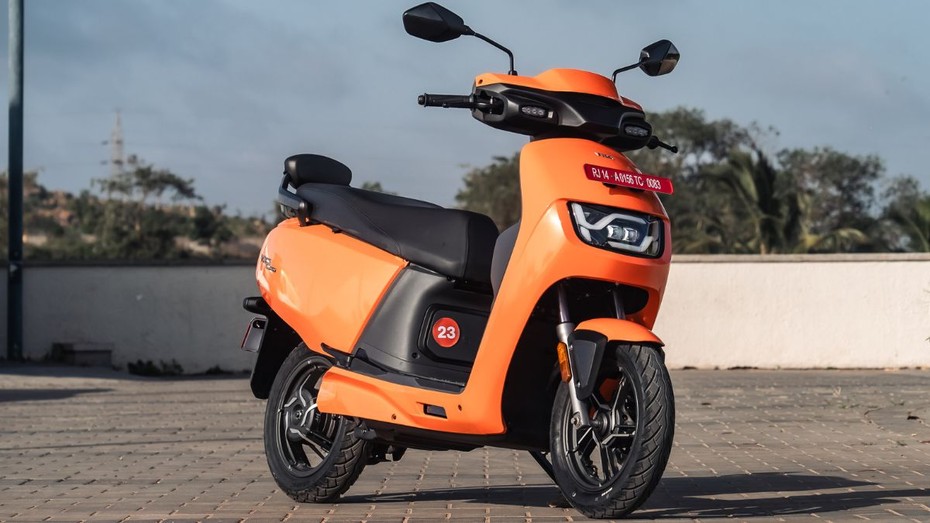
4) Do not ignore software and firmware updates.
Modern packs rely on firmware for cell balancing, thermal management and charging profiles. Regular OTA or workshop updates can improve longevity and safety. If your brand pushes updates (Ather, TVS and others do), install them — they’re part of battery care.
5) Parking it for a while?
Do not leave your e-bike with deep discharges or on continuous trickle charge at 100 per cent, as both age cells. If you're not using it for a while, keep the charge to storage recommendations (about 50 per cent) and don’t sit with a plugged-in full battery for weeks. OEMs also recommend periodic top-ups (every couple of weeks) for stored packs.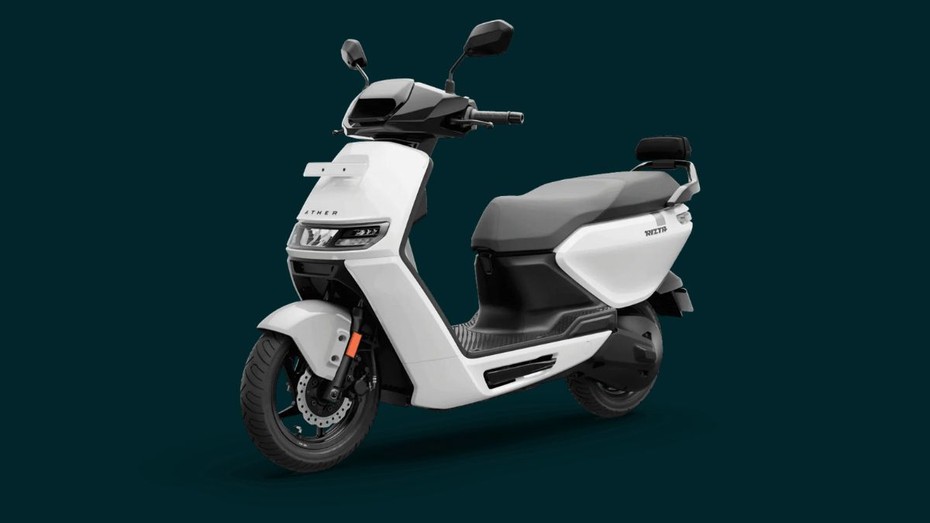
6) Riding style matters — smoothness saves cycles.
Hard accelerations, frequent high-speed runs and aggressive regen settings can increase short-term battery stress and heat. Ride smoothly when you can: that not only saves range but also reduces thermal cycles that slowly degrade cells. Brands link real-world riding behaviour to pack longevity—you’ll get more miles from gentle throttle habits.
7) Keep connectors and terminals clean; avoid DIY tampering
If your e-bike has removable packs or visible connectors, keep them clean and dry. Don’t tamper with wiring or attempt pack repairs yourself—warranty and safety both suffer. TVS and other OEM manuals explicitly warn that opening packs or altering connectors voids warranties and can be dangerous.
8) Watch for signs of trouble—swelling, smell, odd heat, rapid drop in range
If you see battery bulging, a chemical smell, excessive heat, or sudden range loss, stop using the vehicle and contact service. OEM customer care lines and safety pages (and independent safety guides) all say the same: treat abnormalities seriously and get professional service.
9) Plan for warranty and replacement realities
Most modern e-bikes quote pack lives in cycles or years (many makers estimate 3–5 years or several hundred cycles, with some manufacturers quoting higher cycle lives under ideal conditions). Check warranty terms closely: what counts as normal degradation, what’s covered, and the pro-rata replacement costs. Knowing this upfront avoids surprises later. TVS and other EV makers publish their estimated life and warranty terms in owner literature.
10) Small habits that add up
-
Plug in for short top-ups rather than deep overnight charges when you only need a short ride.
-
Use regenerative braking intelligently; it helps range, but avoid setting regen to extremes if it produces excess heat on long hilly runs.
-
Keep tyre pressure and drivetrain in check—inefficient running makes batteries work harder and cycle faster.
-
Follow manufacturer service intervals; BMS diagnostics during service spots early cell issues.
Battery care isn’t rocket science — it’s disciplined, everyday behaviour: the right charger, sensible charge windows, temperature control, firmware updates, and decent riding habits. Do these and you’ll keep range, protect warranty and delay replacement costs. Ignore them, and a pack that could’ve lasted years will demand a costly swap far sooner.