

Explained: Motorcycle Traction Control - The Complete Beginner’s Guide


It's a very important feature to have, and here's how it can keep you safe
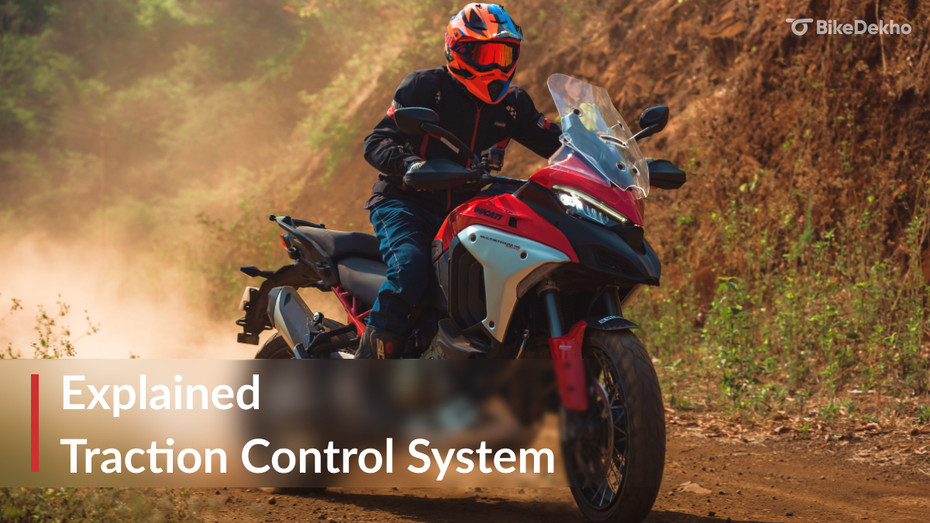
Traction control is one of those terms you hear a lot when browsing through modern motorcycle brochures, but for many riders the meaning is still confusing. At its core, traction control is a safety and performance feature. It is an electronic system designed to prevent your rear wheel from spinning uncontrollably when you accelerate. In simple terms, it keeps your bike from losing grip and sliding out from under you when too much power meets too little traction.
How does traction control actually work?
Traction control works through a series of sensors and a control unit, usually the bike’s ECU. The most common inputs are wheel speed sensors mounted at both the front and rear wheels. By constantly comparing how fast each wheel is spinning, the ECU can tell if the rear wheel is turning faster than the front in a way that suggests slippage.
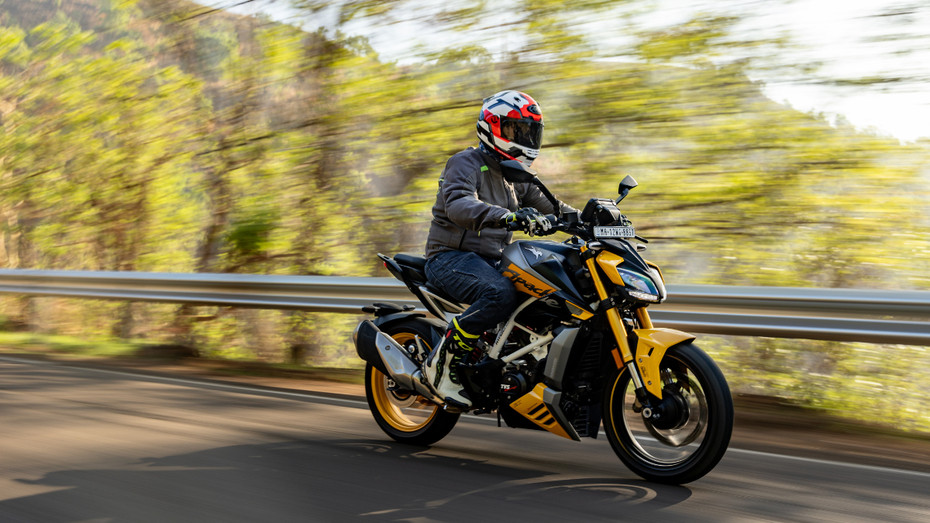
Once slip is detected, the system intervenes. Depending on the bike, it can reduce fuel injection, cut ignition, or adjust throttle response. Some advanced systems even use ride-by-wire throttle bodies to delicately roll back engine torque. In high-end bikes, traction control is often linked with the ABS unit, the inertial measurement unit (IMU), and sometimes even suspension electronics to make the process more seamless.
From the rider’s perspective, traction control can be almost invisible in action until the day it saves you from a crash.
What types of motorcycle traction control exist?
All traction control systems can be broadly grouped into two categories: basic systems and advanced IMU-based systems.
Basic traction control relies almost exclusively on comparing front and rear wheel speeds. If the rear wheel spins faster than a preset threshold compared to the front, the ECU intervenes.
IMU stands for inertial measurement unit, a small device packed with accelerometers and gyroscopes. It measures lean angle, pitch, yaw, and roll. So it not only knows wheel speeds but also understands whether you are leaned over in a corner, braking hard, or accelerating uphill. With this data, it can apply much more precise control. This is the kind of traction control you find on superbikes, adventure tourers, and premium machines.
Why is traction control safer?
For new riders, it can mean the difference between a harmless wheel spin and a crash. For experienced riders, it provides an added safety net in unexpected conditions. On the performance side, it also allows riders to push harder without fear. Professional racers can open the throttle earlier out of corners, trusting the electronics to meter the power. On the road, you can ride more confidently in wet weather knowing that the system has your back.
What are the cons of traction control?
Some riders argue that traction control can dilute the purity of motorcycling. Purists who grew up riding carburetted bikes often feel that electronics take away the raw connection between rider and machine. There is also the fact that traction control systems add complexity, which means higher costs in manufacturing and potentially higher repair bills if something fails.
Can traction control be retrofitted?
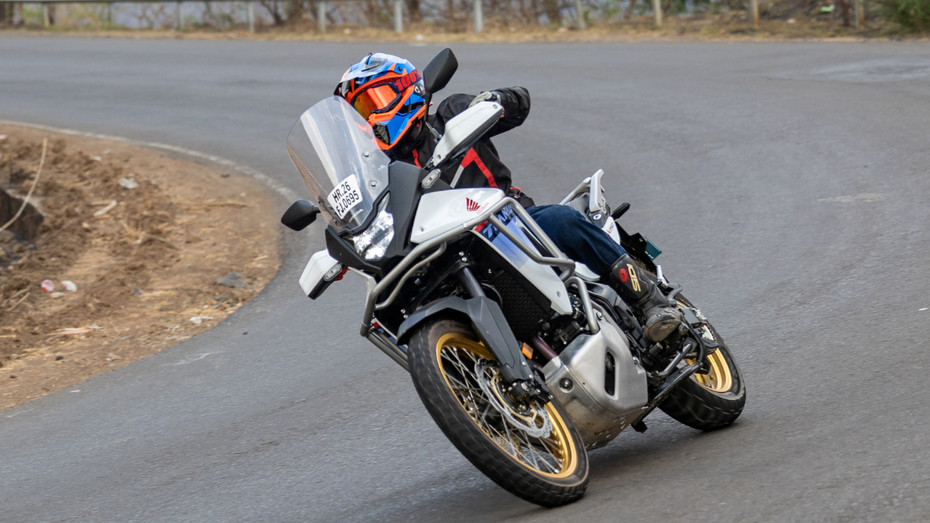
Because traction control depends on wheel speed sensors, ECU mapping, and often ride-by-wire throttle systems, retrofitting is not an easy thing. If traction control is a must-have for you, it is wiser to buy a motorcycle that comes with it built in.
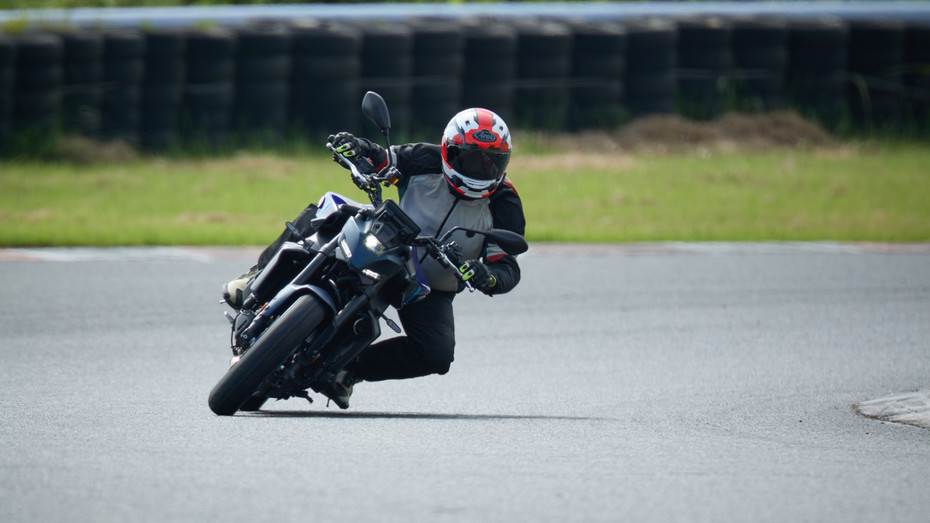
In entry-level markets, traction control is still considered a premium feature. A few years ago, it was only available on bikes above the 200cc or 300cc segment, often bundled with other features like ABS and ride-by-wire throttles. However, it’s now also available on entry-level bikes like the Yamaha FZ-S, and R15. On higher-end bikes, traction control is standard. An IMU-based setup is far more expensive, but for flagship superbikes costing upwards of Rs 20 lakh, it is non-negotiable.
Does traction control affect long-term reliability?
Like all electronics, traction control systems can fail, but modern bikes are designed to make them highly reliable. Sensors and ECUs are built to withstand heat, vibration, and moisture. Still, if you plan on keeping a bike for a decade or more, it is worth remembering that these are complex systems. Repairs may require specialized diagnostics and could cost more than fixing purely mechanical issues.\
What should riders look out for when choosing traction control?
The first thing is to understand what type of system the bike has. Is it a basic wheel-speed comparison system or an advanced IMU-based one? If you mostly ride in the city, a basic system may be enough. If you tour extensively or ride in varied conditions, an advanced system offers more peace of mind.
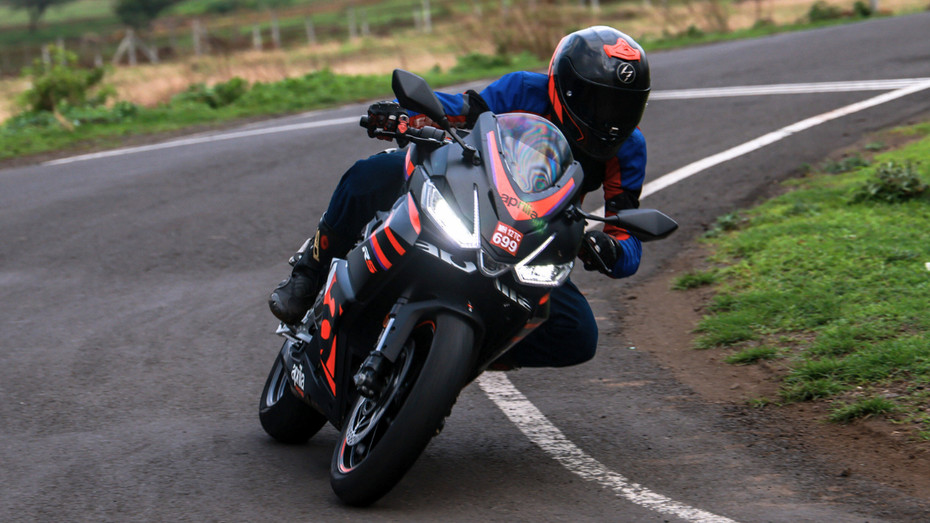
The second is adjustability. Some bikes allow you to switch traction control off or choose between intervention levels. That flexibility can be useful if you want to practice throttle control on a closed track, or if you are riding off-road where a little wheel spin is actually helpful.
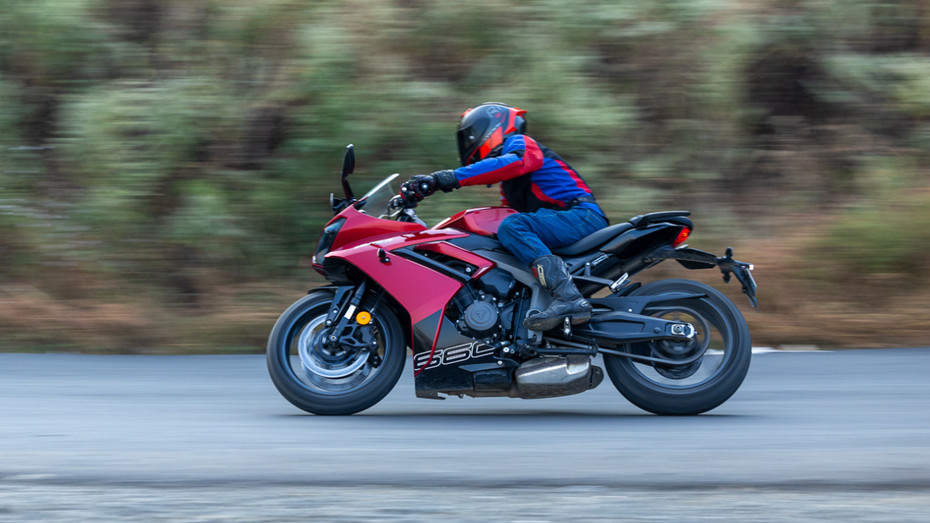 ?
?
Absolutely. Just as ABS went from optional to mandatory in many countries, traction control is steadily becoming a mainstream feature. With engines becoming more powerful and riders demanding more safety, manufacturers have every incentive to include it even on affordable motorcycles.
2 out of 2 found this helpful