

Different Types Of Brake Pads Explained


Find out here which are the best for your use case
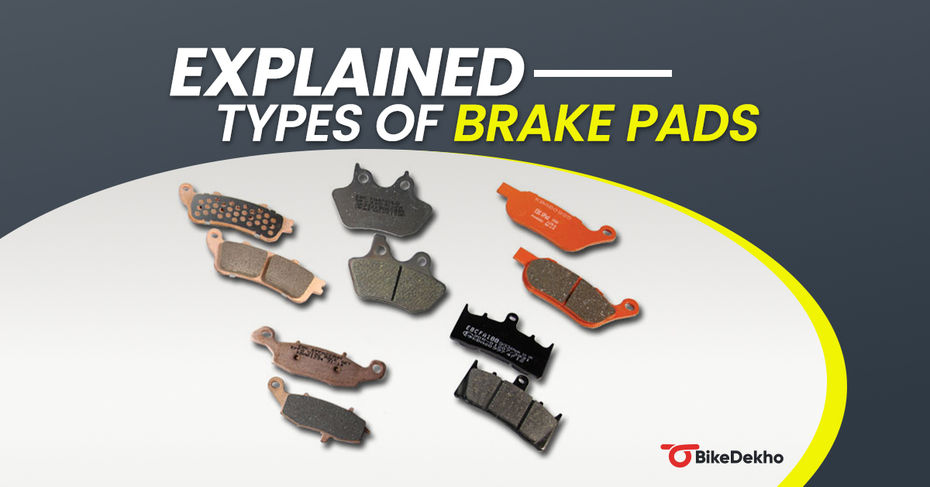
Brake pads are arguably, and well logically the most important part in any braking system of a vehicle. Not every brake pad is the same, however. They come in different types depending on the driving conditions, usage requirements, and the type of vehicle. This is a general overview of the most common types of brake pads available today:
Organic Brake Pads
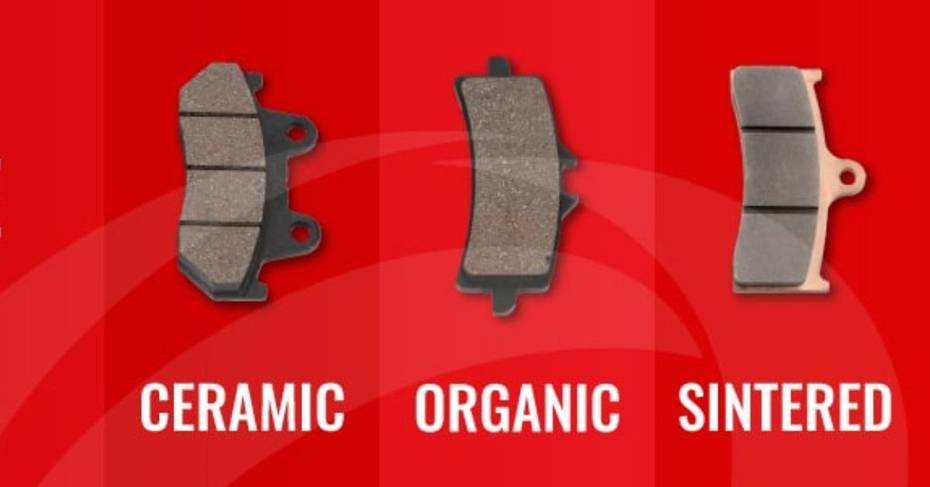
Organic brake pads, or also known as non-asbestos organic (NAO) pads, consist of a mixture of materials like rubber, glass fiber, and resin. They are the most widely used ones because they are inexpensive, and quiet in operation. But, they wear out quicker owing to their softer nature, and they also generate more brake dust than every other variety. They are better for daily city commuting, and lighter two-wheelers such as commuter bikes and scooters.
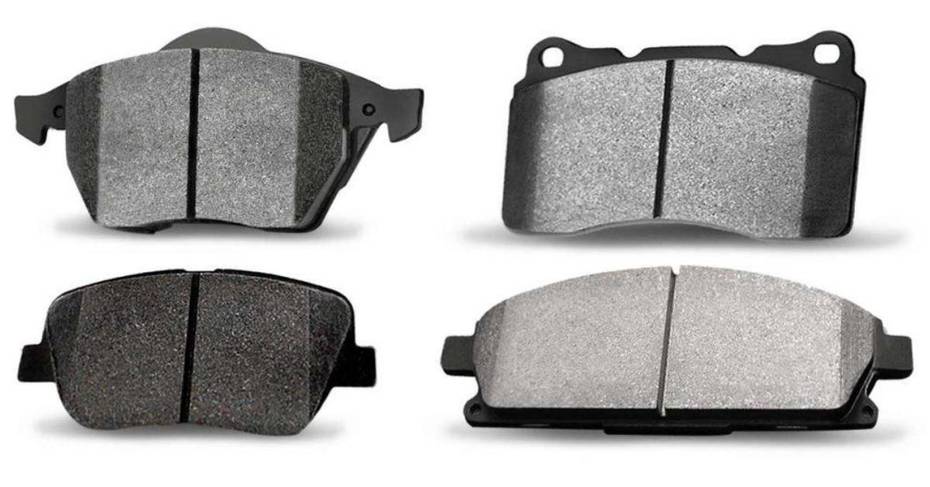
Semi-Metallic Brake Pads
Semi-metallic brake pads have a blend of metals like steel, iron, and copper with high friction materials. They offer better and sharper braking as compared to organic pads. They also last longer and are more durable - thus can be used for high-performance and heavy-duty usage. Though, they are noisy and wear out the brake discs more quickly.
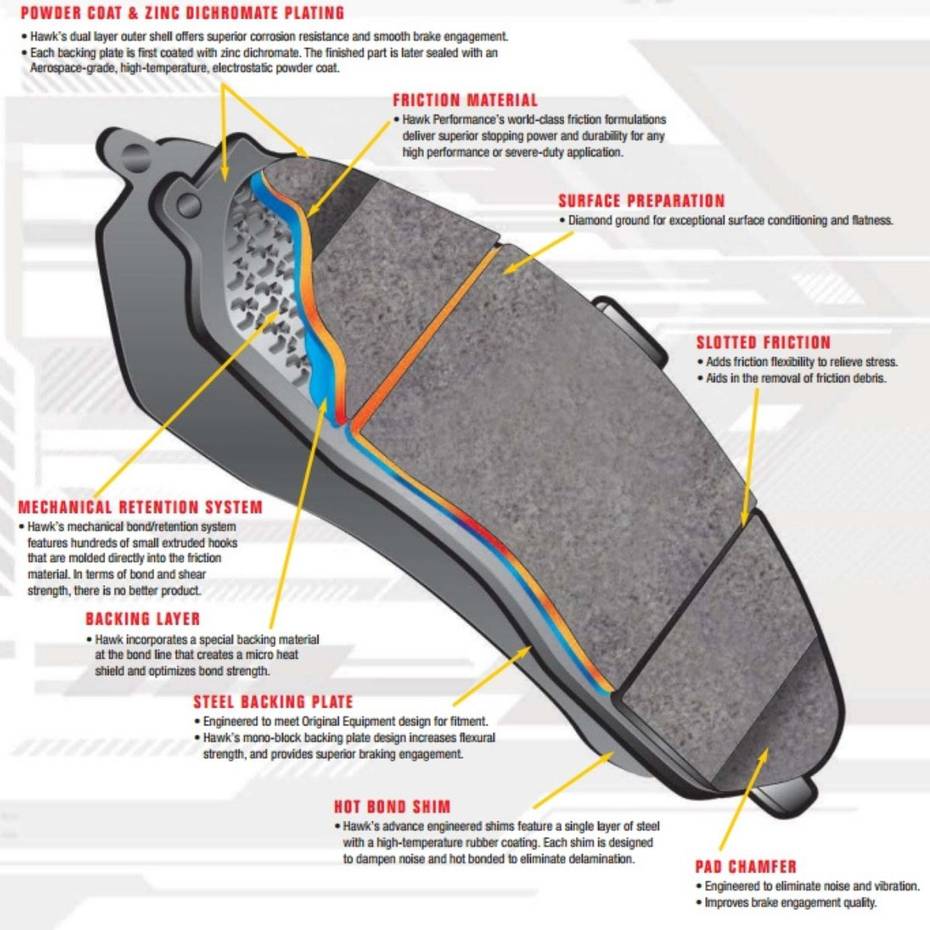
Low-Metallic/Sintered Brake Pads
Sintered brake pads are a combination of organic material and trace amounts of metal (steel or copper). They offer better braking but are noisier and produce a lot of brake dust though, second only to organic ones. Sintered brake pads are made by welding metal particles together with high heat and pressure, forming a hard, dense material. They provide improved performance under extreme conditions and deliver firm braking power.
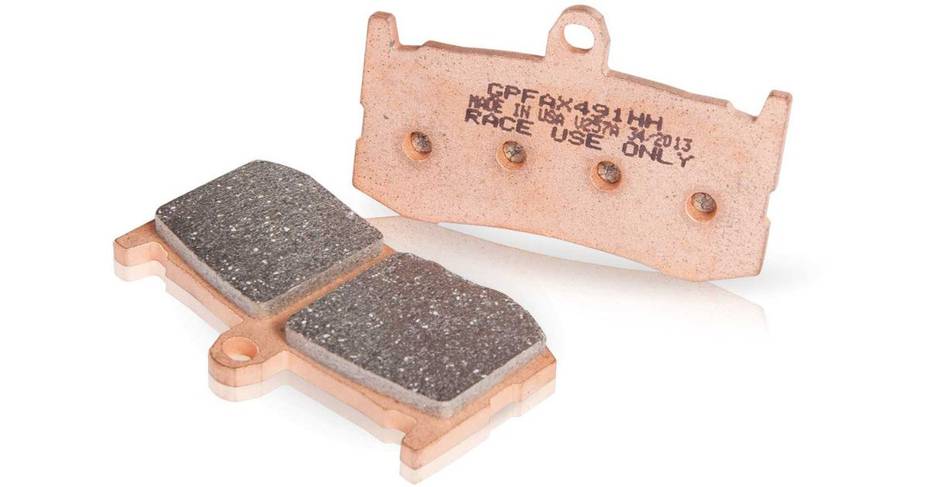
Ceramic Brake Pads
Low-metallic or ceramic brake pads consist of a mixture of ceramic material and copper fibers. They provide the best braking performance, low dust emission, and the highest durability and life span. They are also quiet in operation and can tolerate much higher temperatures as compared to every other type of pads. But, higher performance also comes at a higher cost. Another negative is that they operate better at higher temperatures, which means it takes a bit of time for the brakes to become really effective. At colder temperatures, they might feel lacking in bite and less sharp.
Which Brake Pads Should You Choose?
Choosing the appropriate brake pads comes down mainly to your individual riding style, usage pattern, and budget. If you ride your bike mainly in the city and wish to be frugal, organic pads would be your best bet. If you desire high-performance, sintered or ceramic pads would be the more appropriate. For longer life, the best performance, and less noise during use - ceramic pads are the most appropriate. No matter your decision, proper installation and regular maintenance are the secrets to gaining optimal brake performance.
3 out of 3 found this helpful