

What To Do If Your Motorcycle Won't Start


Our guide should help you out during an emergency situation
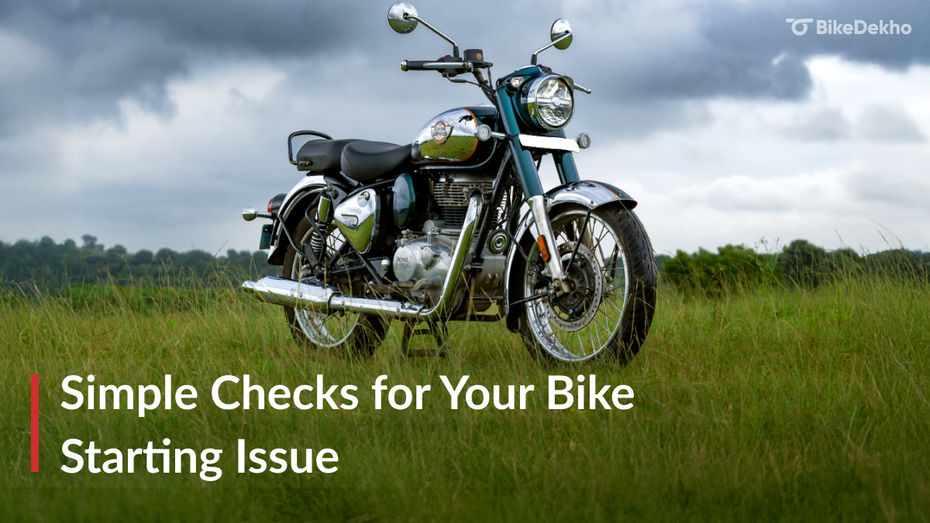
When a motorcycle refuses to start, the mind often sprints to worst case scenarios, but most no-start situations come down to a handful of simple checks that take minutes, not hours. The trick is to work methodically, from the obvious to the slightly involved. There will be some clues which you need to understand, instead of blind guessing.
Check the basics first
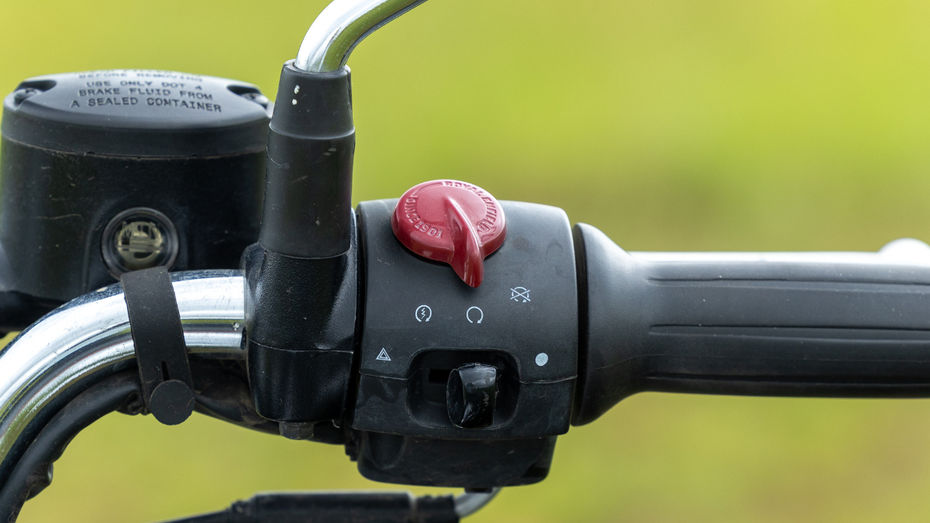
Confirm that the kill switch is in run and the ignition is on – while it may seem obvious, it can happen to the best of us.Ensure the bike is in neutral, since several motorcycles will refuse to start in gear unless the clutch is fully pulled in and the side stand is up, due to built in safety interlocks. If there is a fuel gauge, check it, and if not, open the cap and look inside with a small torch, then gently rock the bike to hear a slosh because a little petrol can hide in a pocket of the tank and mislead you.?
Listen to what the starter says
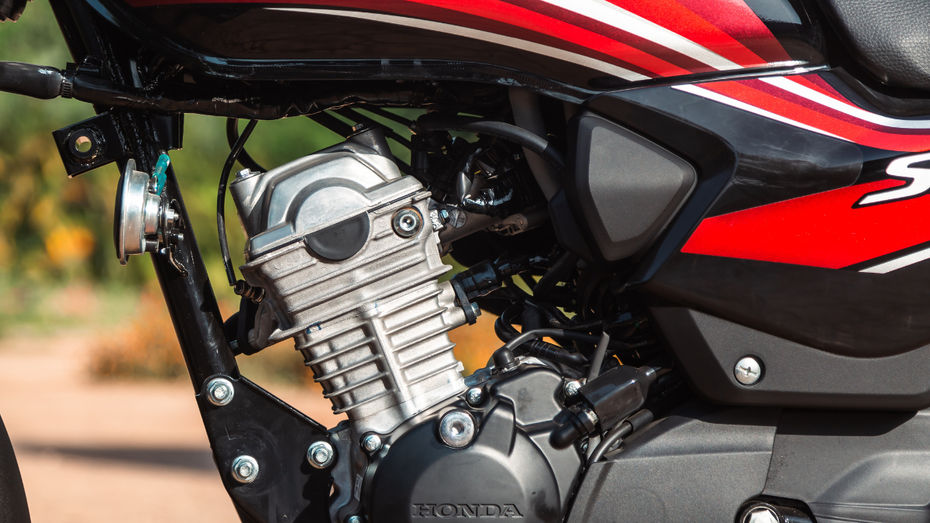
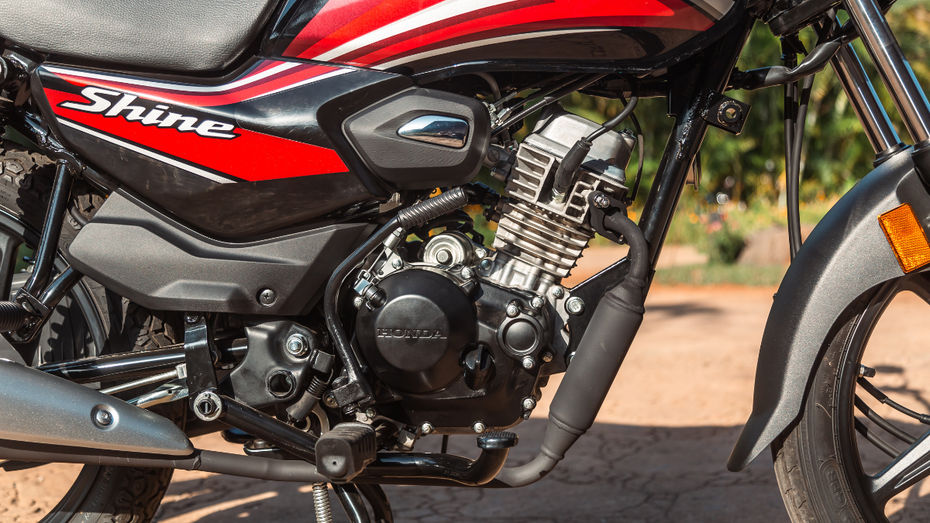
Press the starter and pay attention to the sound and the lights, because they reveal battery condition and whether the starter circuit is alive. A sharp click without cranking suggests the relay is responding but the battery cannot deliver current or the starter path has excessive resistance, while a slow cranking points strongly to a weak or discharged battery. Modern 12V batteries should show around twelve and a half volts at rest on a simple multimeter, and if the voltage dips below twelve during cranking, ignition and fuel delivery can falter even though the starter turns.
If your bike has a kick starter and it fires more readily on the kick than on the button, that is another quiet hint that the battery is down and needs a full charge or replacement.??
Mind the safety switches
Side stand, clutch and neutral switches often intervene for your safety, and they can leave you chasing ghosts if you forget their say in the matter. It is a good habit to pull in the clutch lever whenever you start a bike, which reduces drag on the starter and bypasses a fussy clutch switch if it is marginal or sticky.?
Fuel system checks
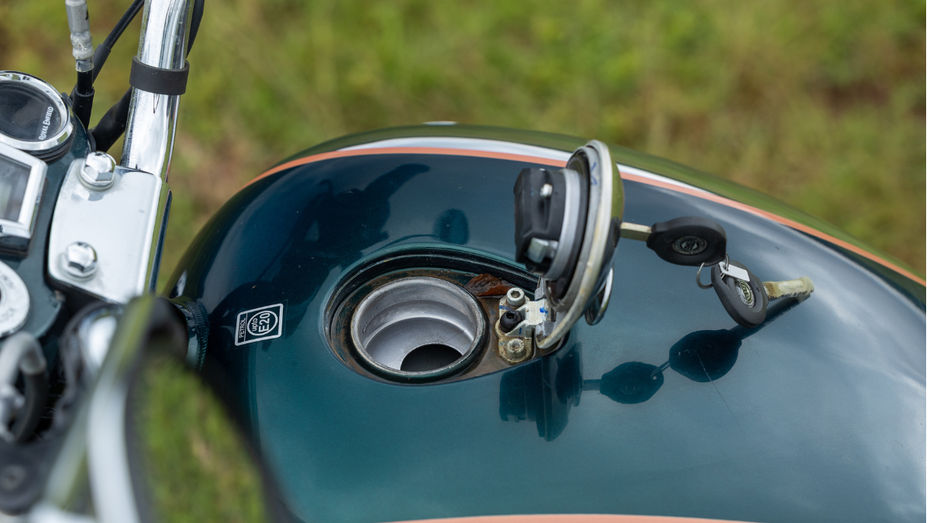
If the starter spins the engine briskly but the engine does not fire, fuel is the next suspect, and the checks differ a little between carburettor and fuel injected machines. On older carburetted bikes with a manual fuel tap, make sure the valve is on, not off, and if the main supply has run dry, switch to reserve, then give it a moment for petrol to flow down to the carburettor before trying again.
If your bike has a choke lever, use it for a cold start because it briefly enriches the mixture to help the first combustion strokes, and release it gradually as the idle steadies. On both carburettor and injection, inspect for obvious kinks or pinches in the fuel line and remember that a clogged filter or a line crushed under the seat after a quick wash can starve the engine without any drama or smell.?
Starter relay and fuses
If the dash lights up and the battery seems confident but the starter button summons silence, your attention should shift to the relay, fuses and connections. A single healthy click from near the battery can indicate the relay is trying to work while corroded terminals or a weak relay coil stop the current flow to the starter, a common finding on bikes that are commonly parked in the open.
Cleaning battery terminals and checking the starter fuse are quick wins.?
Know when to pause
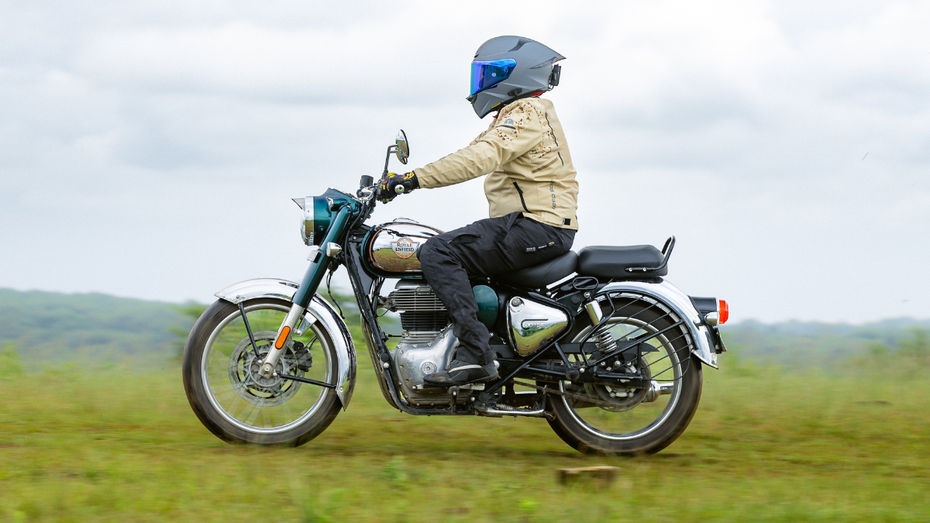
A good rule is to make start attempts in short bursts, ten seconds at a time with a half minute pause, which protects the starter motor and gives fuel vapour a chance to settle if you have been using the choke. If repeated attempts change nothing, step back and consider what clues you have gathered, because each test narrows the problem from a field of many to a shortlist you can either remedy at home or confidently hand to a mechanic. It is better to stop early and charge the battery properly than to grind a healthy engine into a flat battery and then chase two problems instead of one.?
All said, if you can’t figure out anything, or prefer to not mess with stuff, seek professional advice. Calling for a mechanic or getting your bike towed to the nearest service station will be a safer bet. Sure, you will spend extra on that, but you can rest assured that expert eyes will be solving your problems soon.