
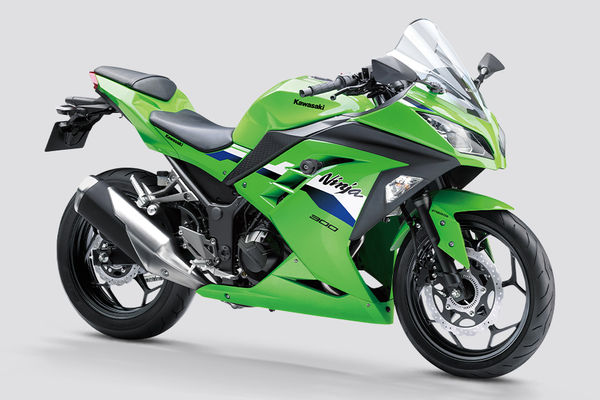
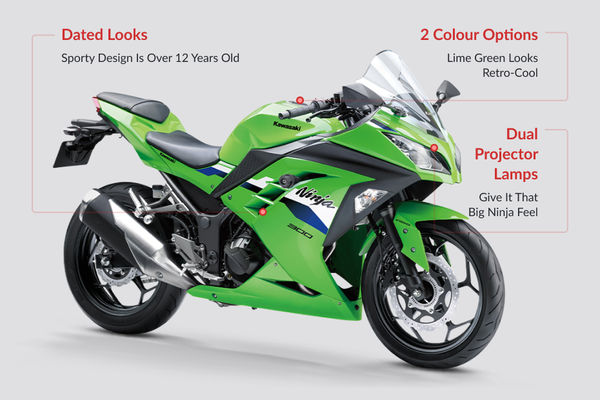
- Images
- Colours
Kawasaki Ninja 300
Kawasaki Ninja 300 Price
| Ninja 300 STD 182 kmph30 kmpl296 cc | ₹3,75,026 |
Kawasaki Ninja 300 Key Specs & Features

Owners Opinion On Specifications
AI summary
Reviewers highlight the Kawasaki Ninja 300’s smooth twin-cylinder engine, sporty handling, and solid highway stability. They appreciate its stylish design and decent comfort but often note firm seats and higher maintenance costs. The bike is praised for performance but less suited for daily city commuting.
| Engine | 296 cc |
| Power | 39 PS |
| Torque | 26.1 Nm |
| Mileage | 30 kmpl |
| Kerb Weight | 179 kg |
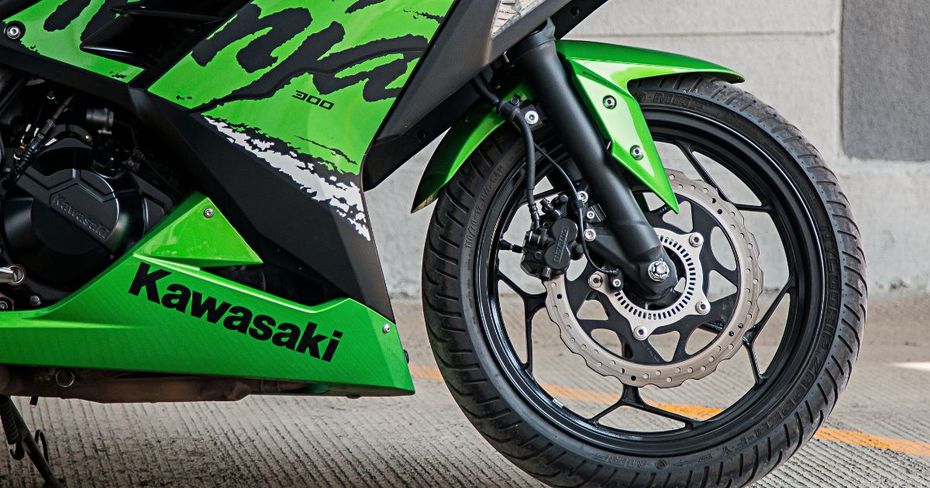
| Brakes | Double Disc |
- Key Specs
- All Specifications

Kawasaki Ninja 300 comparison with similar Bikes
Buyers Usually Compare
AI summaryReviewers frequently compare the Kawasaki Ninja 300 with Yamaha R3, KTM RC 390, and Apache RR310, noting the Ninja’s superior twin-cylinder smoothness, better handling, and lower price. The Ninja is praised for sporty performance and brand value but criticized for higher maintenance costs and lower mileage than competitors.
Kawasaki Ninja 300 Rs.3,75,026* Onwards 173 Reviews | Rs.3,00,651* Onwards 701 Reviews | Rs.2,63,623* Onwards 39 Reviews | Rs.2,61,506* Onwards 1 Reviews | Rs.4,84,369* Onwards 74 Reviews | Rs.2,58,350* Onwards 154 Reviews | Rs.3,27,364* Onwards 186 Reviews | Rs.3,97,411* Onwards 205 Reviews | Rs.2,66,293* Onwards 14 Reviews |
| Mileage30 kmpl | 34 kmpl | 35 kmpl | - | 30 kmpl | 30.08 kmpl | Not Applicable | 30 kmpl | Not Applicable |
| Engine296 cc | 312.2 cc | 312.12 cc | 204 cc | 457 cc | 249.07 cc | Not Applicable | 398.63 cc | Not Applicable |
| Power39 PS @ 11000 rpm | 38 PS @ 9800 rpm | 35.6 PS @ 9700 rpm | 26.5 PS @ 10000 rpm | 47.58 PS @ 9400 rpm | 31 PS @ 9250 rpm | 27 kW | 46 PS @ 8500 rpm | 27 kW |
| Top Speed182 kmph | 164 kmph | 150 kmph | - | 190 kmph | 148 kmph | 155 km/Hr | 167 kmph | 145 km/Hr |
| Torque26.1 Nm @ 10000 rpm | 29 Nm @ 7900 rpm | 28.7 Nm @ 6650 rpm | 19.1 Nm @ 8000 rpm | 43.5 Nm @ 6700 rpm | 25 Nm @ 7250 rpm | 90 Nm | 39 Nm @ 6500 rpm | 100 Nm |
| Weight179 kg | 174 kg | 169 kg | 149 kg | 175 kg | 162.8 kg | 197 kg | 168.3 kg | 197 kg |
| Currently Viewing | Ninja 300 vs Apache RR 310 | Ninja 300 vs Apache RTR 310 | Ninja 300 vs YZF-R2 | Ninja 300 vs RS 457 | Ninja 300 vs 250 Duke | Ninja 300 vs F77 | Ninja 300 vs 390 Duke R | Ninja 300 vs X47 Crossover |
Expert Review

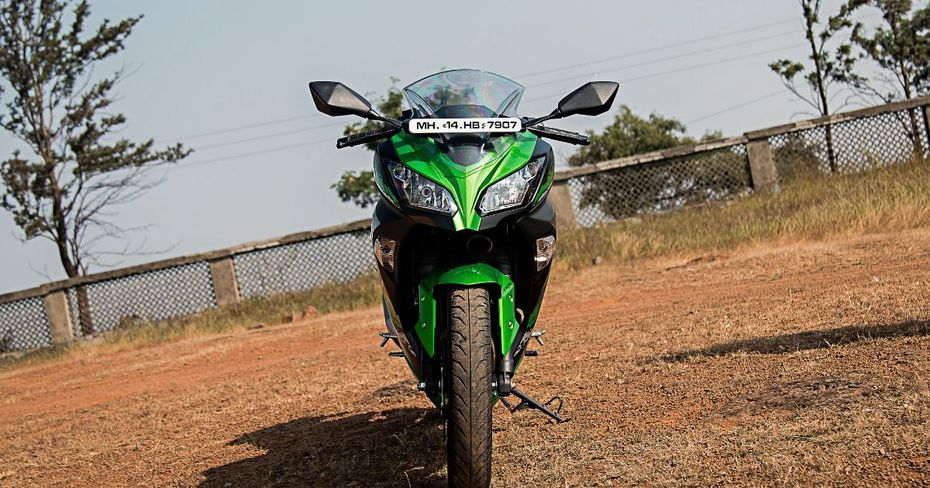
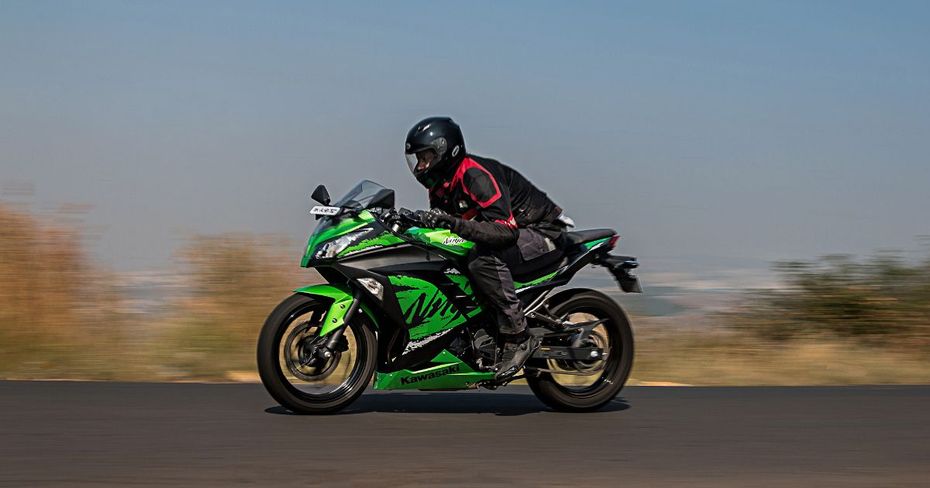
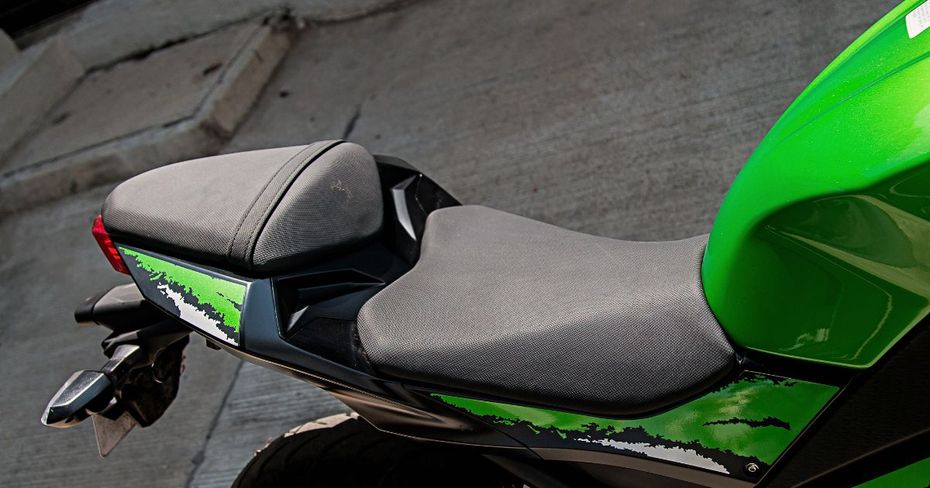
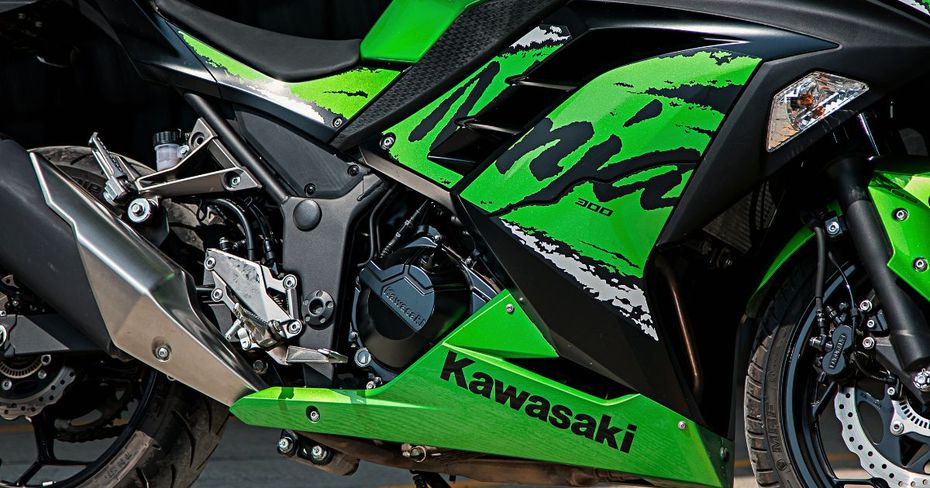
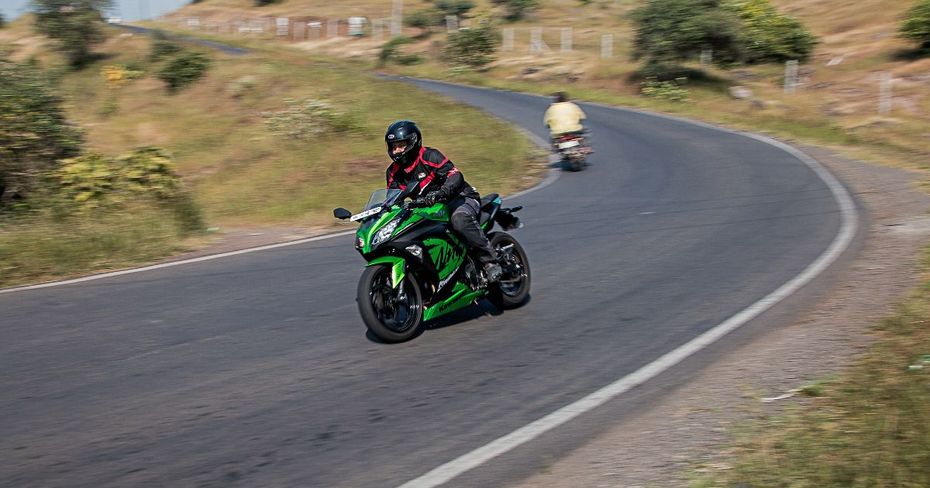
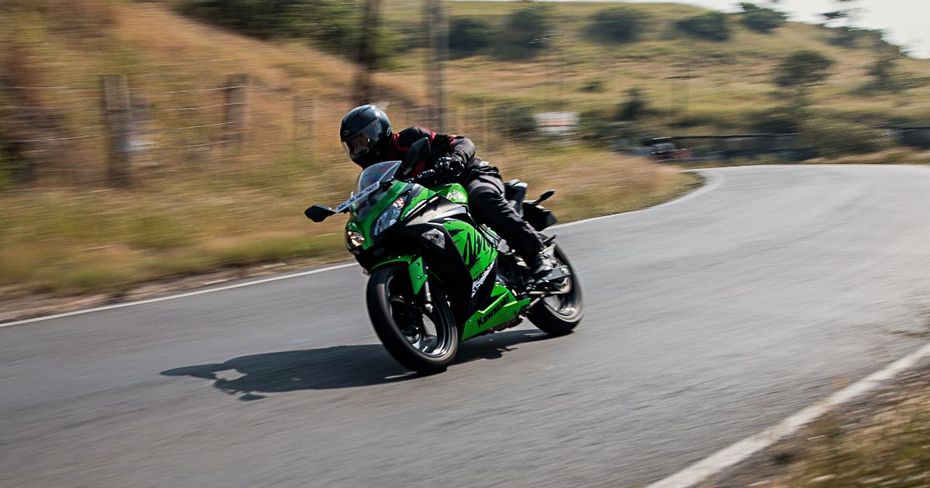
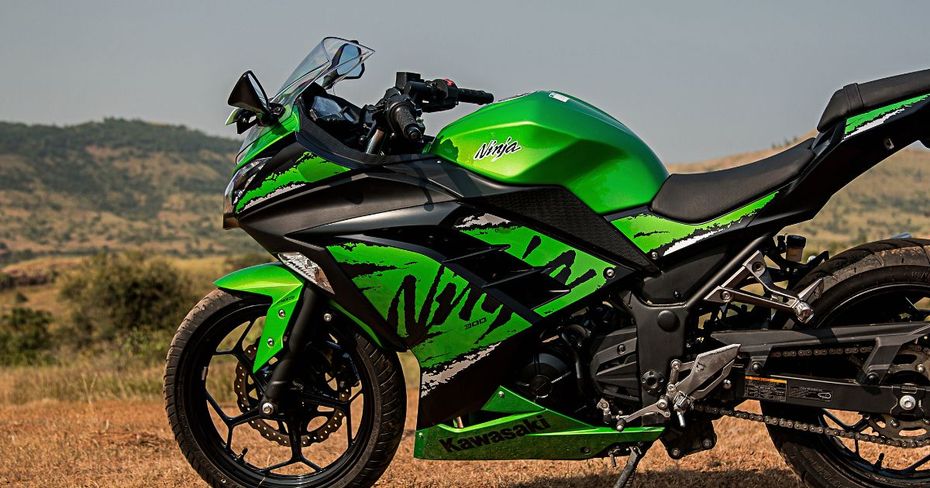
The Kawasaki Ninja 300 may not be the most modern ,feature-loaded bike in its segment, but it still makes a strong case for itself
...Read More- Design & Quality
- Features & Practicality
- Rider & Pillion Comfort
- Engine & Performance
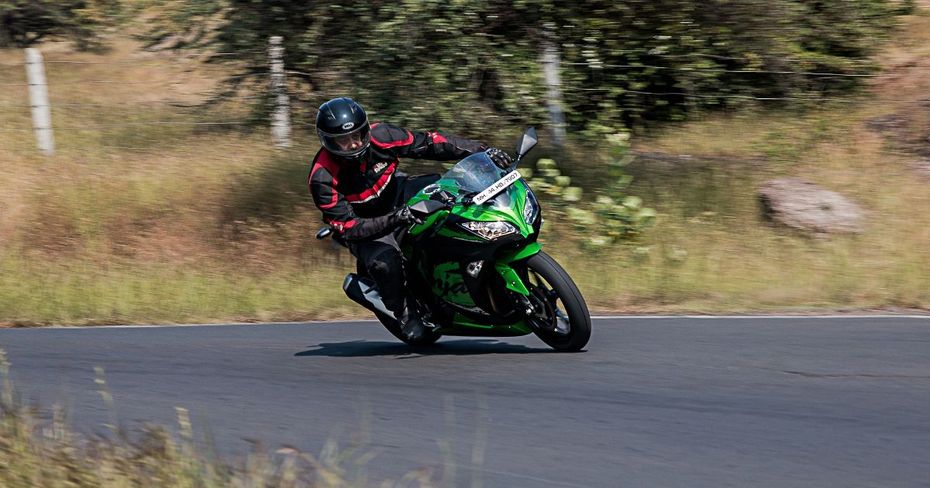
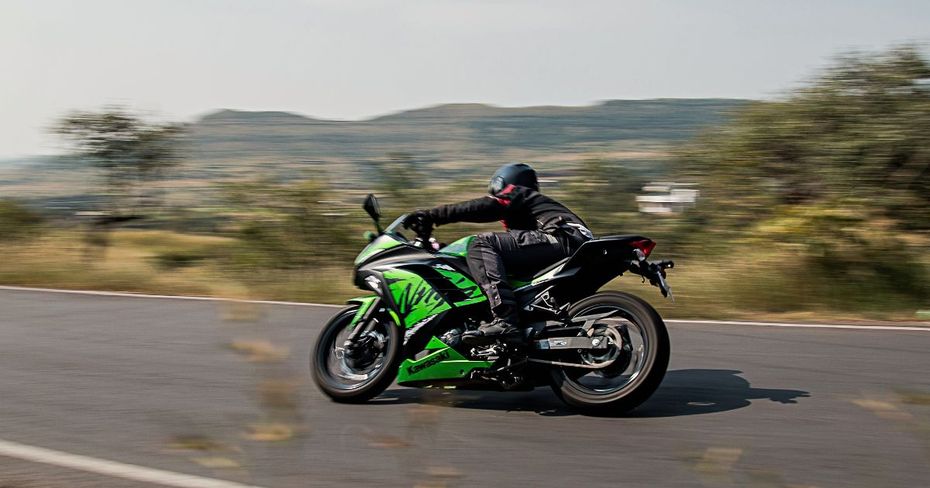
- Ride Quality & Handling
- Verdict
- Butter smooth parallel-twin engine
- Attractive pricing
- Lack of features compared to its competition
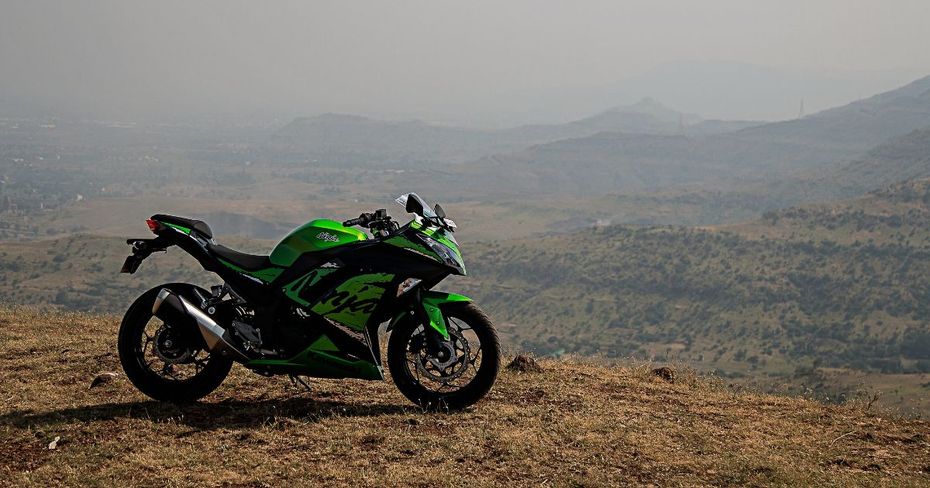
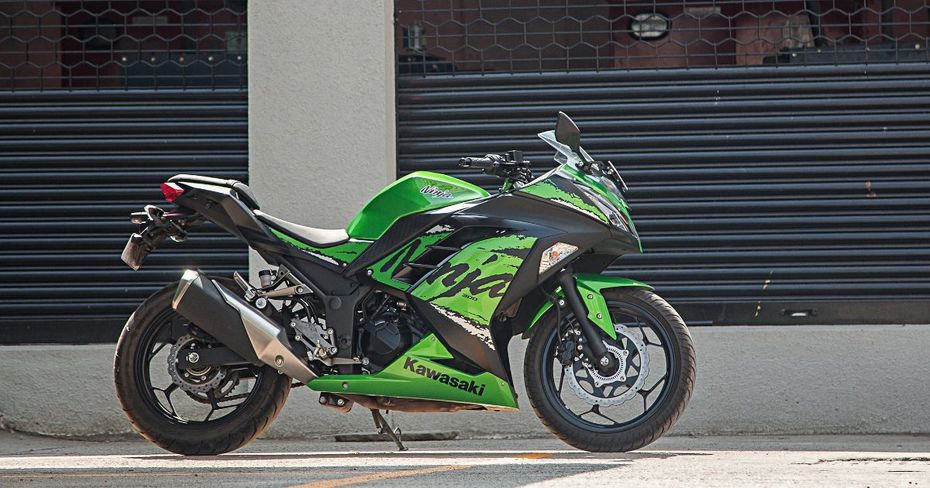
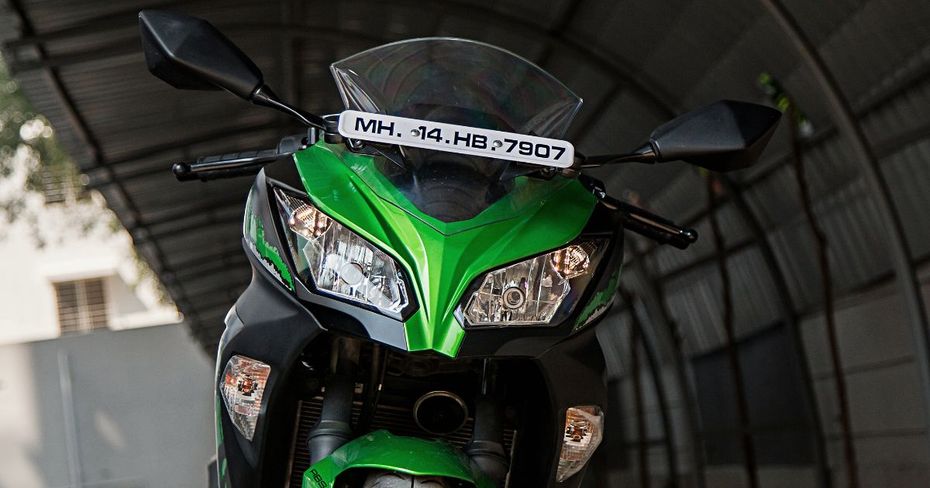
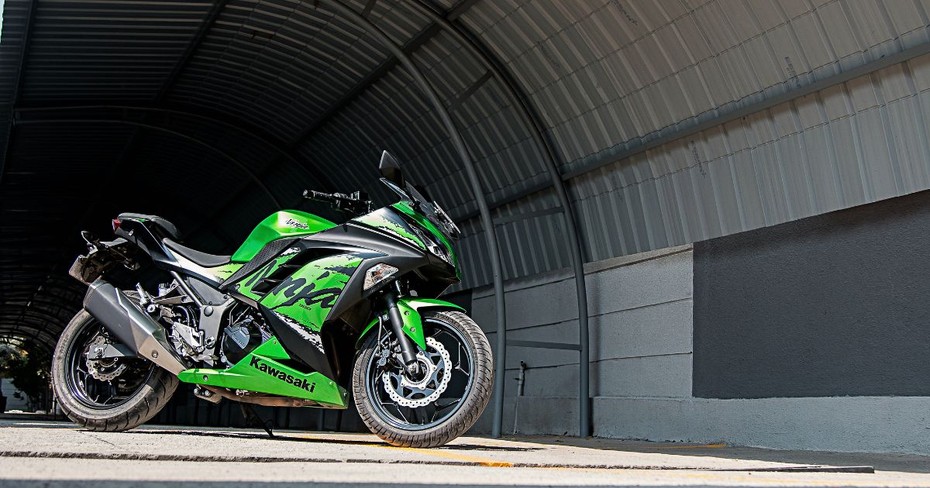
Kawasaki Ninja 300 News & Updates
Kawasaki Ninja 300 User Reviews
- All (173)
- Looks (60)
- Comfort (58)
- Performance (57)
- Mileage (45)
- Engine (45)
- Speed (40)
- More...
- Latest
- Most Helpful
- Kawasaki Ninja 300 STD | 2022 Model | Lime GreenIt is a fantastic bike. Dual engines. Aesthetically pleasing. Smooth driving and cruising experience. Authentic servicing and maintenance could be a little challenging given the limited number of Kawasaki stores. It offers 25-30 KMPL mileage in the city, and over 30 on highways. The fuel tank capacity is also huge at 17 liters of petrol. Amazing control of the driver on bike even at top-notch speeds.Read More1 1
- A Budget BeastBeen using it for almost 5 years now and never had it left me on the road stranding. The bike is a superstar with almost 26-30 mileage, it is just an unbeatable combination of power and efficiency. Cornering is so much fun after I upgraded the three and barely I was ever unsatisfied with the looks and styling its got.Read More5 7
- Performance and reliabilityI chose Ninja 300 for its performance, strong top-end power as I was about passionate about riding. Its good beginner- friendly and revs without being jerky. Has comfortable ergonomics and is a balanced bike with reliability. So far engine was smooth and linear. Sporty but not aggressive and power is usable for city and highways. Longer rider are somewhat comfortable and is stable. Display and techs are basic and is slightly heavy. Braking could be sharper to some extent. Yes, I would recommend Ninja 300 for smooth, reliable and well-balanced to ride easily and still have fun on rides. It tend to have better performance but lacks some basic features which other bikes in the same segment offer.Read More6 3
- Smooth engine, strong highway performance and sporI choose this bike mainly because of its smooth engine and highway comfort. It feels very stable at high speed and gives confidence while riding. Looks are sporty and premium which I liked. In city suspension feels little stiff but I was ok with that compromise. Ride experience is mostly positive. On highways it feels planted and smooth even at higher speed. Handling is very good and cornering feels safe. Mileage is decent not too low not too high. In city traffic and bad roads you feel bumps little more. Yes I will recommend this bike to people who love riding on highways and enjoy sporty riding style. It is not for someone who want soft suspension or only daily city use. Buy it if you want performance and feel, avoid if mileage is main concern.Read More2 3
- Kawasaki Ninja 300 is the perfect balance of power style controlKawasaki Ninja 300 mere liye sirf ek sport bike nahi balki speed control aur confidence ka perfect combination hai aur pehli ride se hi ye bike feel karwa deti hai ki Kawasaki ka name kyu itna interested hai iska 296CC parallel twin engine smooth aur refined hai aur traffic mein bike bilkul manageable r3ehti hai aur highway par jate hi iska real character bahar aa jata hai acceleration linear hai isliye beginner riders bhi bina dare iski power enjoy kar sakte hai Kawasaki Ninja 300 ka design bilkul race inspired hai sharp fairing aggressive stance aur premium paint finish isse road par sabse alag banate hai aur ye bike chalate waqt nahi balki iske sath khade hone par bhi attention attract karti hai Kawasaki Ninja is the best bike for my lifeRead More3 4
- Easy to Maintain RideNeeded a bike for both work and weekend trips. This one offered decent comfort and better mileage. I chose this model after comparing with two others. It had better looks and better average. This super bike is perfect for rides Very satisfying ride. The seat is wide and soft. Long rides are comfortable. Performance is stable. I’m happy with how it rides. No vibration, good pickup, and handling is easy. Mileage has stayed steady. Best for riders who do both city and highway trips. Runs smooth and gives good fuel return. I’d suggest it to anyone who wants balance of mileage, comfort, and power. Worth the money. Yes, this bike is perfect for ridesRead More4 2
- Power You Can TrustI needed a bike that gives long-term service and mileage. This one matched both. Chose this bike because it’s light and stylish, with great fuel economy. Looked better than others in budget. Wanted a quiet, cost-saving ride for daily travel. So far, experience is great. Easy handling, solid performance, and stable even at high speed. Comfortable to ride for long hours. Doesn’t vibrate much and still runs smooth after a year. Smooth, silent, and easy in traffic. Perfect for city rides and daily travel. Looks good, saves fuel, and easy to maintain. Go for it if you ride regularly. Good on mileage and won’t trouble you with repairs. Great for city rides and saving fuel money.Read More1 3
- Great Control in TrafficMy choice was mostly because of its mileage and comfortable seat. I do long rides sometimes, so posture was important for me. Bought it after a test ride impressed me. I liked its comfort and riding position. Rides are smooth. Even after a few long trips, the engine never felt tired. Brakes work well, and the overall balance of the bike is nice. Its bike is perfect for long and short rides. Chose it because it’s low on maintenance. This bike is perfect if you want both comfort and economy. It’s reliable for city rides and can handle highways easily too. Wanted a mix of style and economy. I liked the handling and road presence.Read More2
- Fast thrilling and premium with strong controlI chose Ninja 300 because I wanted fast, sporty bike with a premium feel. It looks bold and rides super smooth. The engine is strong and powerful. I took it for a highway trip last weekend, and it was thrilling. Control is sharp, and braking is perfect. Every ride feels exciting and safe. It gives pure fun and energy daily. Riding the Ninja 300 is thrilling. The power feels amazing, and it runs fast yet smooth. I rode through open roads and curves yesterday, and control was perfect. The brakes are solid, and seat comfortable. It’s easy to ride even in traffic. Every ride feels safe, fast, and enjoyable every single day. Yes I recommend Ninja 300 for anyone who loves speed, power and style. It is great for highways, long rides, and city roads too. The handling is sharp, and the comfort level is high. Riding it feels smooth, safe, and exciting. It’s made for people who enjoy thrill with control and style daily.Read More1
- Smooth Acceleration and Quick ResponseMy cousin had the same bike and said it’s reliable. I took a short ride and liked the balance and pickup. This bike ticked all the boxes. Friends who owned it spoke well of the engine performance and long-term durability, so I went for it. Feels steady while riding. Brake is tight, and suspension handles potholes fine. Comfort is good for long rides. I’ve taken it through busy lanes and rough patches — it doesn’t disappoint. The only issue is a slightly firm seat. Would suggest it to those who want safe and easy handling. Reliable and value for money. It’s not built for racing, but it gives you reliability and comfort every single day, which makes it a smart buy.Read More
- View All Kawasaki Ninja 300 Reviews
Kawasaki Ninja 300 Mileage
Owners Reported Real World Mileage
AI summaryMost owners report mileage around 22–28 km/l, typical for a twin-cylinder sports bike. While not highly fuel-efficient, it is acceptable for spirited city and highway rides. Maintenance costs are generally higher compared to smaller commuter bikes.
The ARAI claimed mileage of Kawasaki Ninja 300 is 30 kmpl. This is the claimed mileage for all variants.
| Fuel Type | ARAI Mileage |
|---|---|
| Petrol | 30 kmpl |
Ask anything and everythingAsk anything & get answer in 48 hours
Kawasaki Ninja 300 Specifications
Engine and Transmission
| Displacement | 296 cc |
| Engine Type | Liquid-cooled, 4-stroke, parallel twin, 8 valves, DOHC |
| Number Of Cylinders | 2 |
| Valves (per cylinder) | 4 |
| Fuel Type | Petrol |
| Max Power | 39 PS @ 11000 rpm |
| Max Torque | 26.1 Nm @ 10000 rpm |
| Claimed Top Speed | 182 kmph |
| Supply System | Fuel Injection |
| Starting System | Self Start Only |
| Cooling System | Liquid Cooled |
| Bore | 62 mm |
| Stroke | 49 mm |
| Compression Ratio | 10.6:1 |
| Emission Norm Compliance | bs6.2 |
| Spark Plugs | 1 Per Cylinder |
| Ignition | Digital |
| Drive Type | Chain Drive |
| Transmission Type | Manual |
| Clutch | Wet, Multi Disc |
| Gearbox | 6 Speed |
| Gear Shift Pattern | 1 Down 5 Up |
| Report Incorrect Specs | |
Features
| Headlight | Halogen |
| Projector Headlight | Yes |
| Indicators | LED |
| Taillight | LED |
| Daytime Running Lamps | Yes |
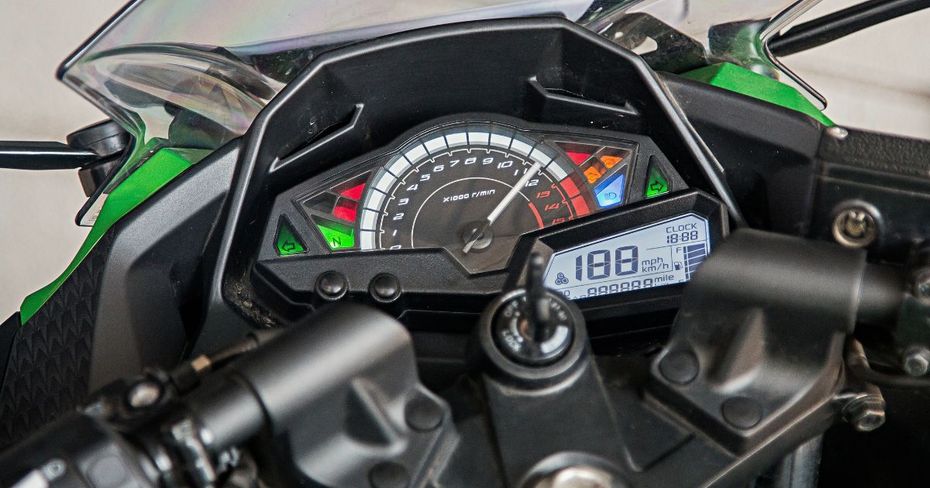
| Instrument Console Type | Analogue and Digital |
| Digital Display Type | LCD |
| Gear Position Indicator | Yes |
| Tachometer | Analogue |
| Speedometer | Digital |
| Odometer | Digital |
| Tripmeter | Digital |
| No. Of Tripmeters | 2 |
| Clock | Digital |
| Fuel Gauge | Digital |
| Low Fuel Indicator | Yes |
| Side Stand Warning | Yes |
| Low Battery Indicator | Yes |
| Low Oil Indicator | Yes |
| Kill Switch | Yes |
| Pass Beam Switch | Yes |
| Additional Features/Information | Heat Management Technology |
| Pillion Seat | Yes |
| Windscreen | Yes |
| ABS Type | Dual Channel |
| Seat Type | Split |
| Stepup Seat | Yes |
| Rear Footpegs | Yes |
| Report Incorrect Specs | |
Mileage and Performance
| Overall Mileage | 30 kmpl |
| Report Incorrect Specs | |
Chassis and Suspension
| Body Type | Sports Bikes |
| Frame Type | Tubular Diamond |
| Front Suspension | Ø37 mm, Telescopic Fork, Wheel Travel - 120 mm |
| Rear Suspension | Bottom-link Uni-Trak, Gas-charged Shock And 5-way Spring Preload Adjustability, Wheel Travel - 132 mm |
| Report Incorrect Specs | |
Tyres and Brakes
| Tyre Type | Tubeless |
| Radial Tyre | Yes |
| Wheel Type | Alloy |
| Wheel Size | Front :-431.8 mm,Rear :-431.8 mm |
| Tyre Size | Front :-110/70-17 Rear :-140/70-17 |
| Front Tyre Pressure (Rider) | 28 psi |
| Rear Tyre Pressure (Rider) | 32 psi |
| Front Tyre Pressure (Rider & Pillion) | 28 psi |
| Rear Tyre Pressure (Rider & Pillion) | 32 psi |
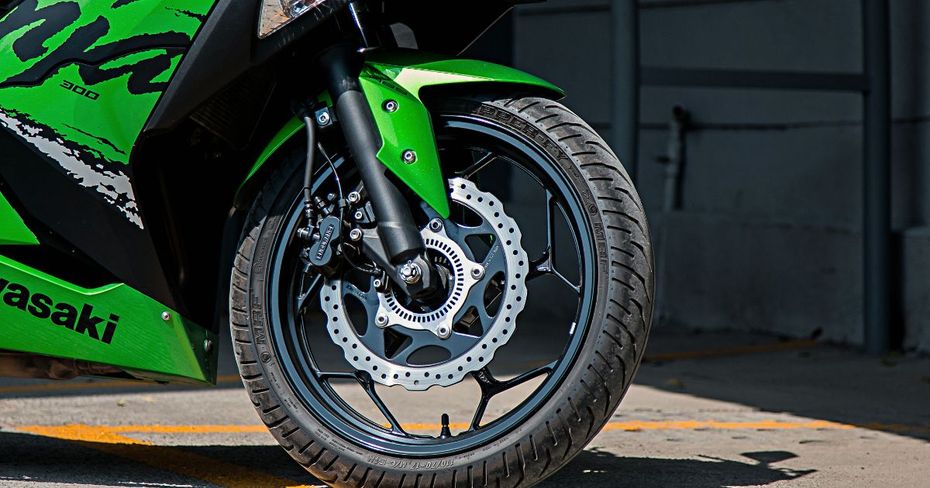
| Front Brake | Disc |
| Front Brake Size | 290 mm |
| Front Caliper | 2 Piston |
| Rear Brake | Disc |
| Rear Brake Size | 220 mm |
| Rear Caliper | 2 Piston |
| Report Incorrect Specs | |
Riding Position and Seating
| Seat Type | Split |
| Rear Footpegs | Yes |
| Saree Guard | Yes |
| Report Incorrect Specs | |
Dimensions and Capacity
| Length | 2015 mm |
| Width | 715 mm |
| Height | 1160 mm |
| Wheelbase | 1405 mm |
| Ground Clearance | 140 mm |
| Seat Height | 785 mm |
| Kerb Weight | 179 kg |
| Fuel Tank Capacity | 17 L |
| Fuel Tank Reserve Capacity | 4.5 L |
| Report Incorrect Specs | |
Warranty and Service
| Vehicle Warranty | 2 Years or 30,000 Km |
| Report Incorrect Specs | |
- Engine and Transmission
- Features
- Mileage and Performance
- Chassis and Suspension
- Tyres and Brakes
- Riding Position and Seating
- Dimensions and Capacity
- Warranty and Service
Kawasaki Ninja 300 Questions & answers
- FAQ
- Latest Questions
A) As of now, there is no official update available from the brand's end. We would ... Read More
A) For the availability, we would suggest you to please connect with the nearest ... Read More
A) The Kawasaki Ninja 300 is priced from INR 3.40 Lakh (Ex-showroom Price in Delhi... Read More
A) For this, we would suggest you visit the nearest authorized [dealership@click ... Read More
A) If you are planning to buy a new bike on finance, then generally, 10 to 30 ... Read More
Kawasaki Ninja 300 Summary
Kawasaki Ninja 300 On-road price
The on road price in Delhi starts at ₹3,75,026 and goes up to ₹. It is available in 1 variants.
Kawasaki Ninja 300 Specifications and Dimensions
The Kawasaki Ninja 300 is powered by a 296 cc, Liquid Cooled engine producing 39 PS @ 11000 rpm and 26.1 Nm @ 10000 rpm. The engine is paired with a 6 Speed gearbox. The Kawasaki Ninja 300 weight is 179 kg, while the seat height is 785 mm. Suspension bits include a Ø37 mm, Telescopic Fork, Wheel Travel - 120 mm and Bottom-link Uni-Trak, Gas-charged Shock And 5-way Spring Preload Adjustability, Wheel Travel - 132 mm.
In Kawasaki Ninja 300 STD, the top variant, there's a 17 inch front and 17 inch rear wheel, wrapped with 110/70-R17 and 140/70-R17 respectively. The fuel tank capacity stands at 17 L litres.
Kawasaki Ninja 300 Colour Options
Across variants, the Kawasaki Ninja 300 is available in 1 colours.
Kawasaki Ninja 300 Latest Updates
July 24, 2026: Kawasaki has launched the MY27 Ninja 300 at Rs 3.34 lakh (ex-showroom). The motorcycle remains mechanically unchanged but gets a refreshed Lime Green colour scheme.
January 21, 2026: Kawasaki has launched the 2026 Ninja 300, and it gets two new colour schemes as part of the 2026 update. The rest of the bike remains unchanged.
January 12, 2026: The brand has an ongoing offer on the Kawasaki Ninja 300. The bike currently gets a Rs 28,000 cash discount and is now priced at Rs 2,89,000 (ex-showroom price). The offer is valid till January 31, 2026.